

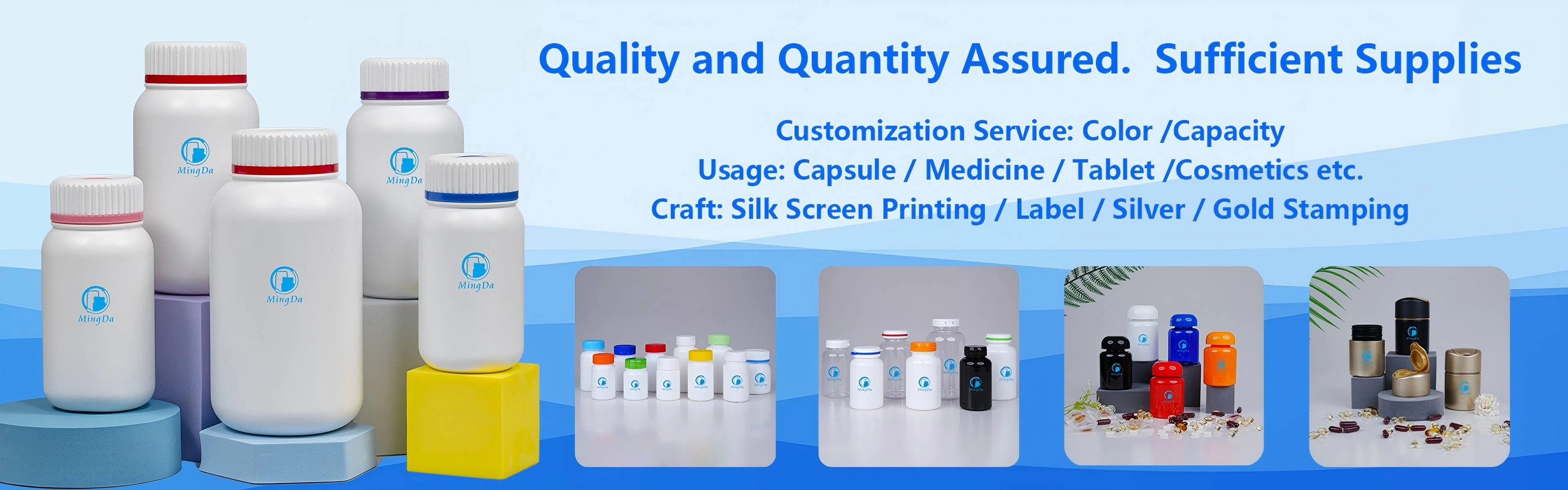
How I Choose the Right Plastic Bottles for Supplements and Capsules - A Practical Guide from Someone Who Works with Them Every Day
After spending years in the plastic packaging industry, I've noticed one thing: many brands still think all plastic bottles look and perform the same.
But once you've worked with enough supplement products, you realize something very quickly - the bottle you choose can make or break the quality of what's inside.
A good bottle protects freshness, improves shelf appeal, and even boosts customer trust.
A wrong bottle introduces moisture, light, and oxygen into the product and slowly destroys its stability.
Let me walk you through how I personally evaluate plastic bottles for supplements and capsules, step by step.
1. Why the Bottle Matters More Than Most People Think
When new brands come to me, they usually want something that "looks fine and feels okay."
But supplements, capsules, powders, and softgels react differently to heat, humidity, and exposure to air. If I pick the wrong bottle:
- capsules clump together
- softgels oxidize
- powders harden
- sensitive ingredients lose potency
So I always tell people:
Your formula might be great, but poor packaging can ruin the final product.
2. Know Your Materials: PET, HDPE, and PP
These three materials show up most often in the supplement world. Each one works best in different scenarios, so I'll break them down the same way I explain them to my clients.
PET - the go-to material for transparent bottles
PET works best when the brand wants a clear, bright view of the capsules or softgels.
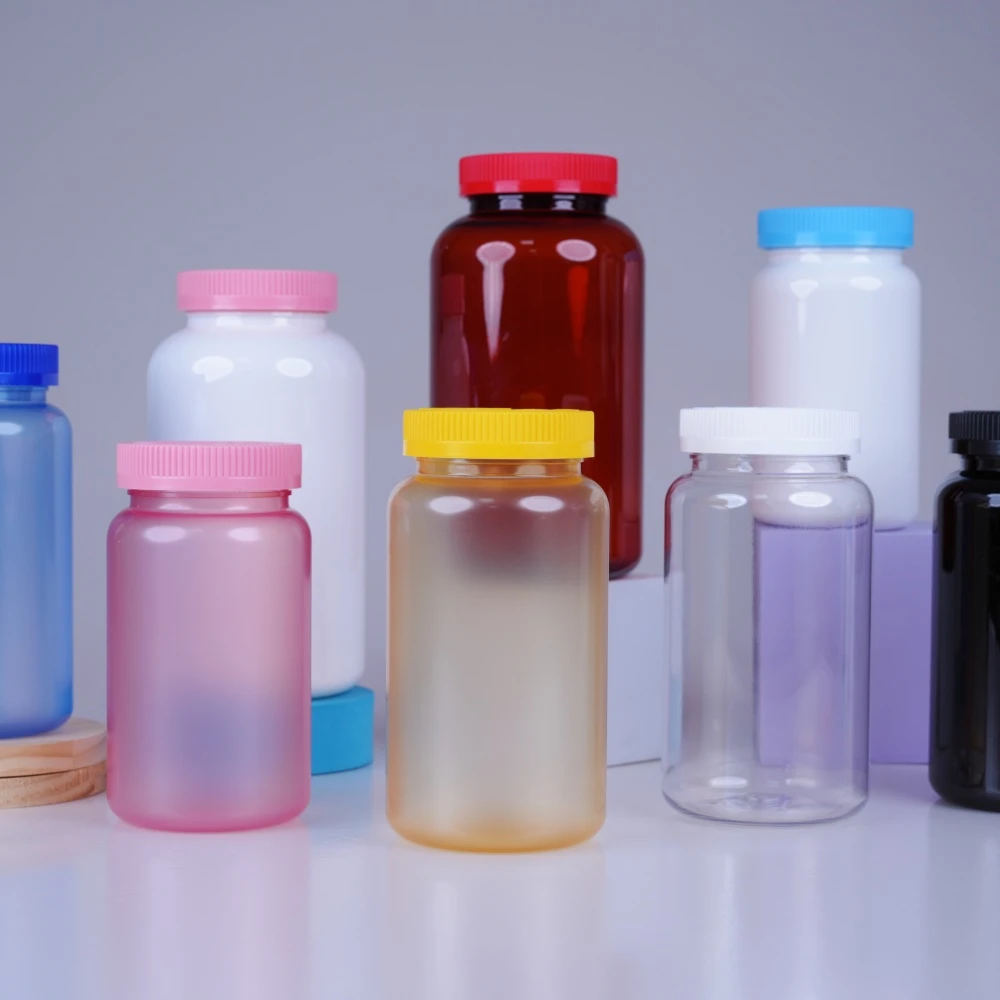
Why I like PET:
crystal-clear transparency
a firm, premium feel
better oxygen barrier than HDPE
ideal for retail shelves
Best for:
Capsules, softgels, vitamins, gummies.
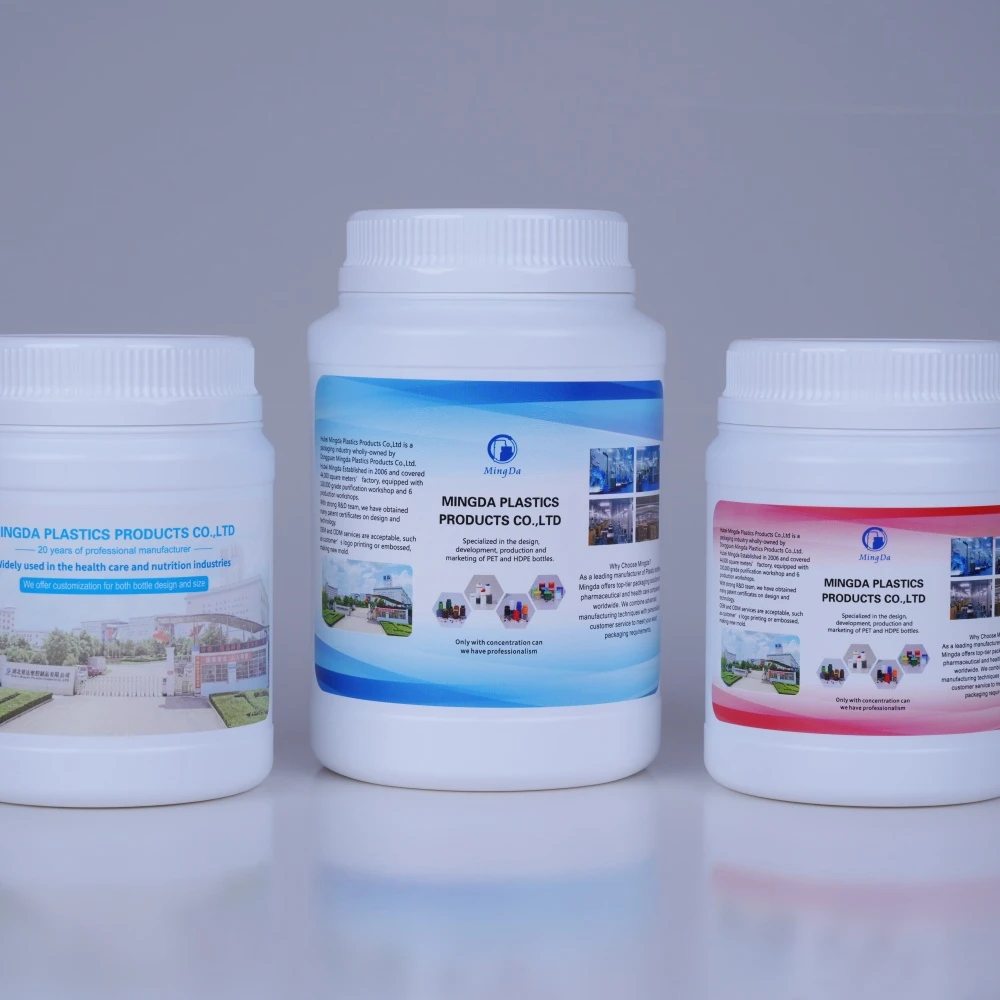
HDPE - the reliable choice for powders or light-sensitive formulas
If stability is the top priority, HDPE usually wins.
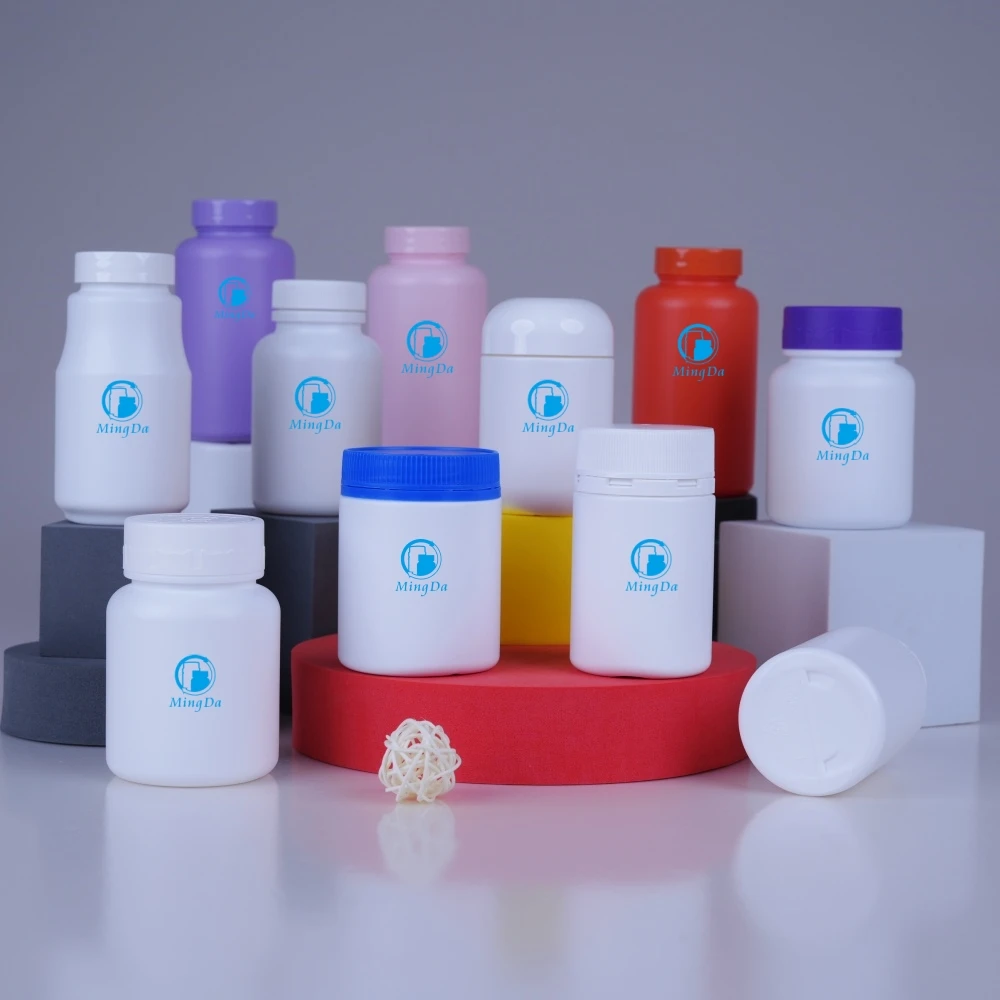
Why it works well:
great impact resistance
natural matte/opaque look for light protection
excellent moisture control
durable in shipping
Best for:
Powders, probiotics, herbs, and formare ulas are sensitive to light or humidity.
PP - mainly for caps, sometimes small containers
PP shows up more often in caps, but it also works for lightweight bottles or portable containers.

Benefits:
very good heat resistance
strong chemical stability
lightweight
Best for:
Bottle caps, small jars, travel-size packs.

3. Match the Bottle Type to the Product Inside
This is one of the biggest mistakes I see.
The material and bottle shape must work with the actual product form.

Capsules / Softgels / Vitamins
→ Clear PET bottles shine here.
They highlight the product and build trust instantly.

Light-sensitive or oxidation-prone formulas
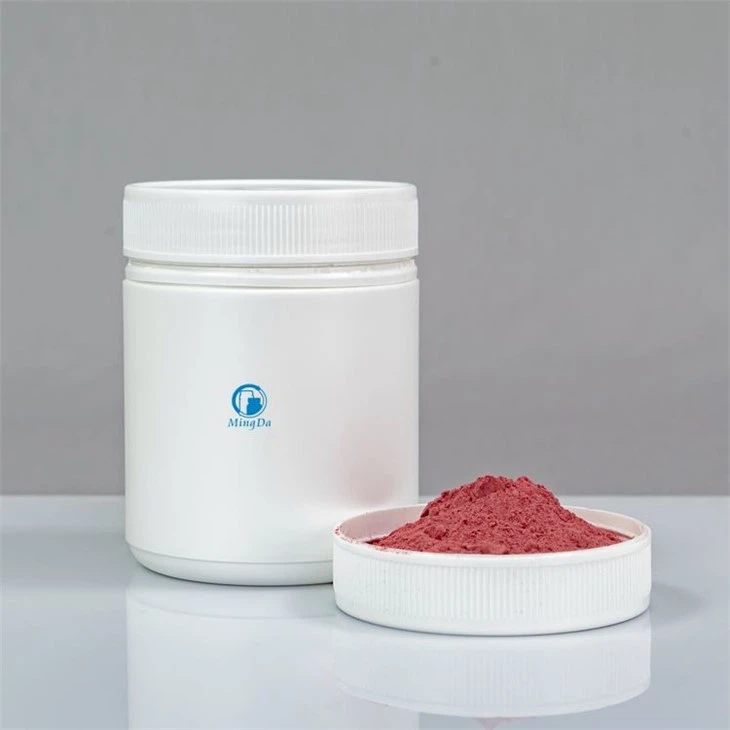
→ Opaque HDPE
A simple color change can protect a sensitive formula.
When I test bottles for a client, I always check:
- Does the product flow smoothly into the bottle?
- Does the bottle shoulder trap powder or capsules?
- Does the filling line need adjustments?
These practical details often decide whether a bottle works long-term.
4. Don't overlook the cap - sealing matters more than looks
Bottle caps rarely get the attention they deserve, but I treat them as a critical part of the packaging system.
Screw Caps
Perfect for most supplements and capsules.
Child-Resistant Caps
A must for family-oriented or pharmaceutical-style brands.
Flip-top Caps
Great for liquids, not ideal for capsules or powders.


The liner inside the cap matters even more than the cap design.
You'll see options like:
pressure-sensitive liners
Hot melt adhesive cardboard gasket
Half Pull Tab to Open Aluminum Liner


To avoid problems during shipping, I always run:
Torque tests, drop tests, and leak tests.


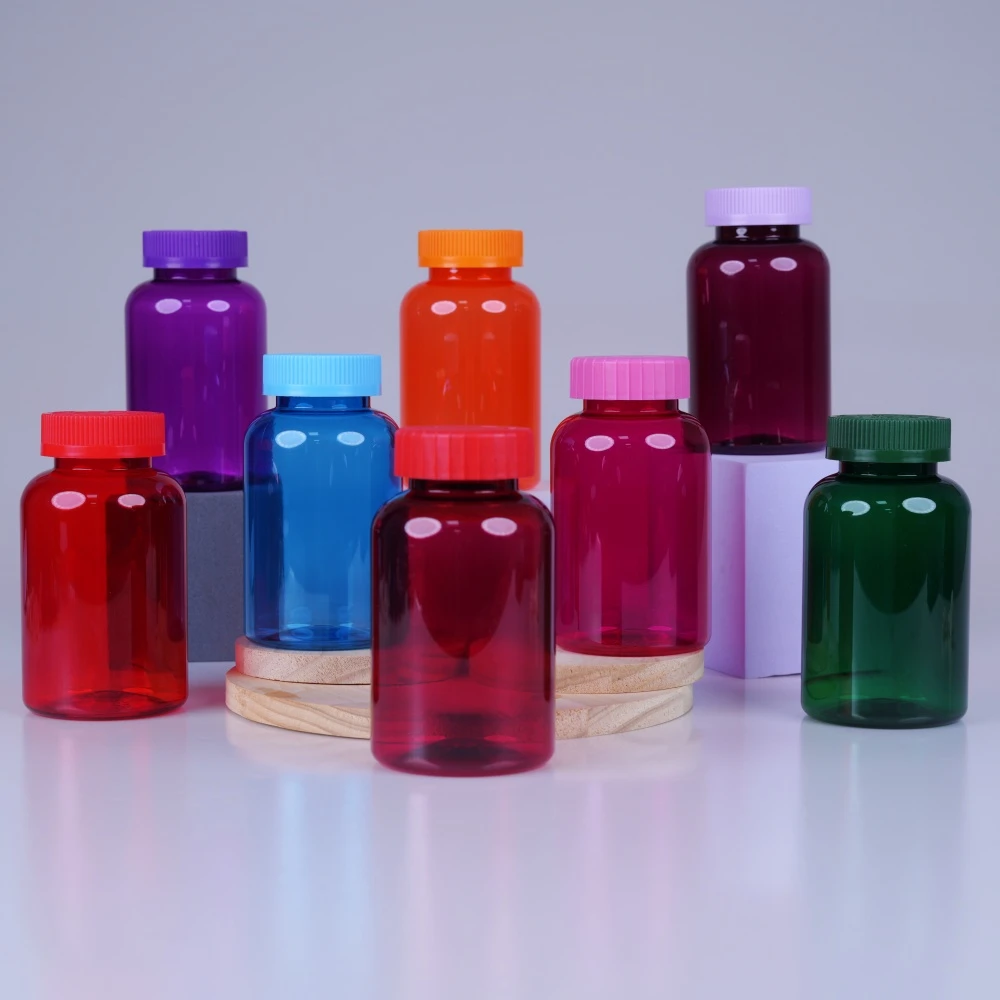
5. Appearance, Color, and Branding - They Influence Sales More Than You Think
Beyond protection, the bottle plays a major role in branding.
When I help a client choose bottle colors, I consider:
- brand identity
- label design
- transparency needs
- regional preferences (US/EU customers love clean, simple colors)
If you plan to add custom printing or a logo, I suggest checking:
- whether the material holds ink well
- If the surface fits silkscreen or hot stamping
- whether UV coating or plating fits your bottle choice
And I always insist on one thing:
Never skip the sample stage.
6. Safety and Compliance You Should Always Check
Any brand selling supplements to the US or Europe needs solid compliance.
I go through these items every single time:
- food-grade materials
- BPA-free plastics
- proper factory certifications (ISO, FDA, SGS)
- clean production environments
- documented material tests (like IR spectroscopy)
These details help confirm that the supplier takes safety seriously.
7. MOQ, Budget, and What Really Affects Cost
A lot of people ask me about pricing.
My answer is simple: decide your quality level first, then look at cost.
Here's what usually affects the budget:
- Custom colors require separate production runs
- Most custom bottles need around 20,000 MOQ
- common bottles can go as low as 5,000–10,000
- Harder materials cost slightly more
- Shipping distance affects breakage and freight cost
If your budget is tight, start with standard white or transparent bottles before moving into custom designs.

8. My Personal Checklist Before Confirming Any Bottle Order
Here's the quick checklist I use with every client.
Feel free to save it - it works.
- What's the dosage form - powder, capsule, softgel?
- Do I need transparency or privacy?
- Do I need extra light protection?
- Does the material react with the formula?
- Do the neck and cap fit perfectly?
- What liner suits the product?
- Do the bottles pass leak, drop, and torque tests?
- Is the label area large enough?
- Do I need a custom logo or color?
- Can I meet the MOQ?
This list eliminates most packaging mistakes.
Final Thoughts: The Right Bottle Builds Trust
A well-selected plastic bottle protects the product, elevates your brand, and improves customer confidence.
I always see packaging as part of the product experience, not just a container.
Once you understand materials, sealing, structure, and compliance, choosing the right plastic bottles becomes much easier.
If you'd like me to help refine your product page, compare PET and HDPE, or pick the best bottle for a specific supplement, feel free to let me know. I can dive deeper anytime you need.