




1. What Makes PE Bottles Flexible?
PE materials are generally categorized into HDPE (High-Density Polyethylene) and LDPE (Low-Density Polyethylene):
- LDPE bottles have loosely branched molecular chains, making the material softer with excellent squeezability and rebound capability. They are ideal for soft or squeezable packaging.
- HDPE bottles are more rigid due to their linear molecular structure, yet still retain a certain level of toughness. When designed with proper wall thickness, HDPE bottles can also perform well in impact resistance.
2. How Do PE Bottles Resist Impact and Cracking?
The impact resistance of PE bottles relies not only on the material itself but also on smart design and optimized manufacturing processes:
✅ Material Selection:
Use high-purity virgin resin and minimize recycled content to enhance toughness and flexibility.
For products requiring high compression resistance, thicker HDPE walls are commonly used.
✅ Structural Optimization:
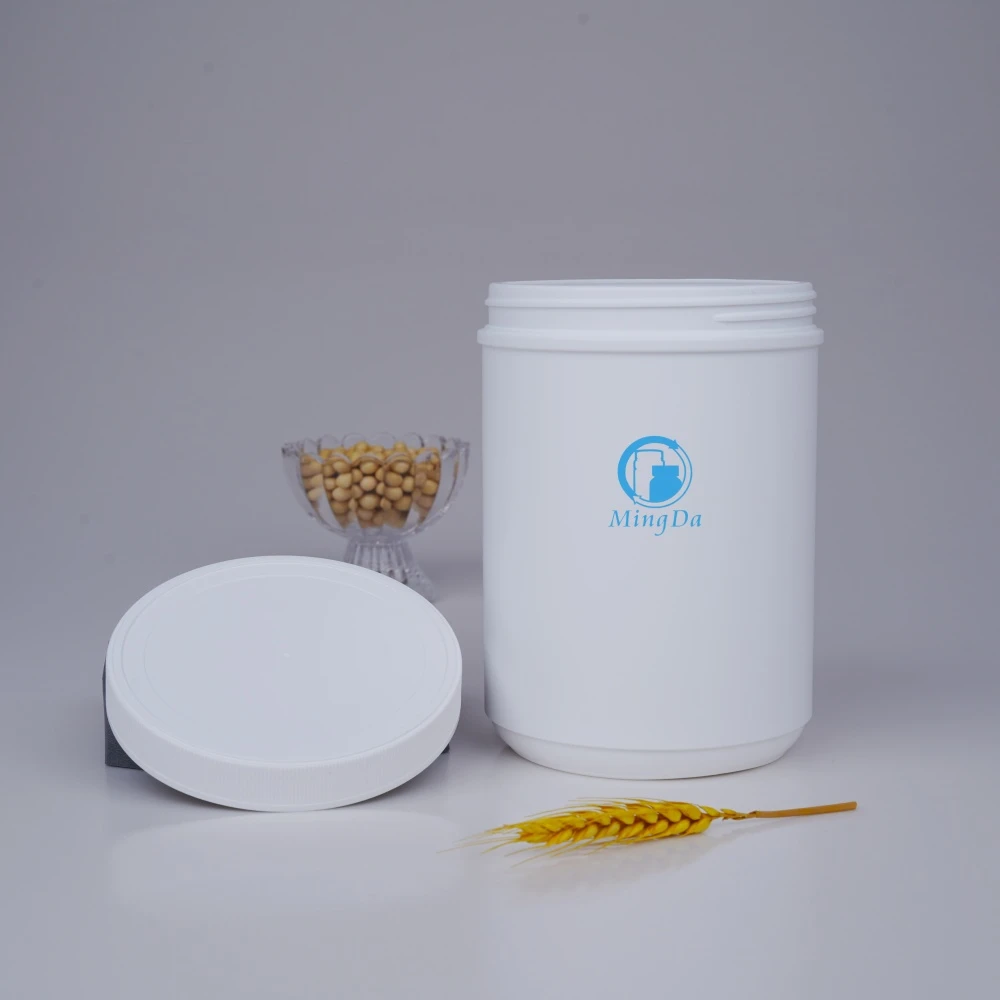
Cylindrical bottle shapes offer better impact resistance than square shapes, as they reduce stress concentration points.
Reinforced or concave bottom designs help distribute shock from drops and prevent cracking.
✅ Process Control:
Precise control of temperature and air pressure during the blow molding process ensures uniform wall thickness.
Some bottles can be treated with elastic coatings or matte sandblasting finishes to enhance scratch resistance and provide a safer grip.
✅ Quality Testing:
At Mingda, every product batch undergoes a 1.2-meter drop test and vibration test before shipment. These tests simulate real-world handling and transport conditions to ensure the bottle remains intact-without cracking, leaking, or deforming.