

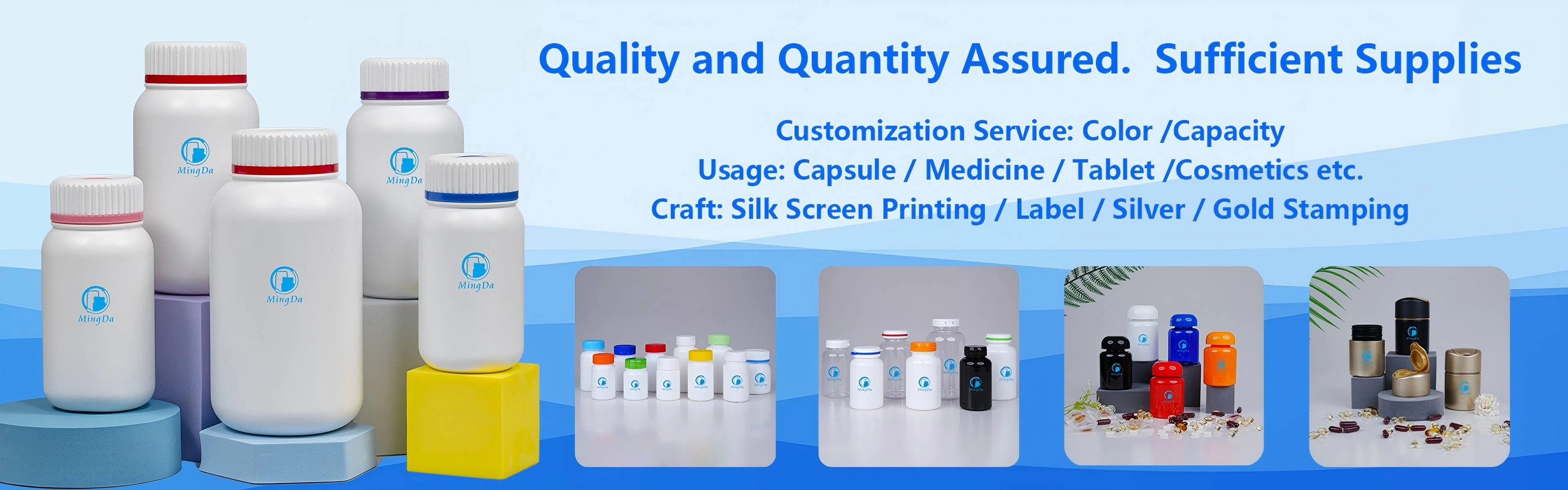
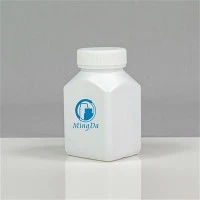
Many first-time buyers assume that choosing a plastic bottle is simply a matter of selecting the right size. In reality, packaging decisions are influenced by much more than capacity.
A bottle that works perfectly for dietary supplements may not be suitable for barbecue sauce. Likewise, a container designed for spray products may perform poorly when filled with oils or syrups.
One of the most common sourcing mistakes is trying to use one bottle design for multiple product categories. While this may reduce inventory complexity, it often creates filling problems, leakage risks, or poor customer experience.
Understanding how different industries evaluate plastic packaging can help buyers avoid costly mistakes before mass production begins.
Packaging Starts with the Product, Not the Bottle
Professional packaging engineers rarely begin by asking, "Which bottle should we buy?"
Instead, they ask questions like:
Is the product a liquid, powder, capsule, tablet, cream, or gel?
Does it require protection from light?
Will customers squeeze the bottle during use?
Is induction sealing required?
Will the product be filled automatically or manually?
Only after answering these questions does bottle selection begin.
This approach often saves both time and money because the packaging is designed around product performance rather than appearance.
Dietary Supplements: Small Bottles, High Standards
One reason buyers frequently search for 2 oz plastic bottles with lids bulk is the growing dietary supplement market.
These bottles are commonly used for:
Capsules
Gummies
Vitamins
Softgels
Herbal supplements
Sample packs
Although the containers are relatively small, buyers usually pay close attention to details such as:
Moisture resistance
Cap compatibility
Tamper-evident sealing
Label space
Consistent dimensions for automatic filling
In supplement packaging, product protection is generally more important than decorative appearance.
Why Amber Bottles Continue to Be Popular
Not every product should be packaged in a clear container.
Many manufacturers choose amber plastic bottles wholesale because darker bottles help reduce exposure to ultraviolet light.
Typical applications include:
Vitamins
Botanical extracts
Nutraceuticals
Healthcare products
Certain pharmaceutical formulations
However, it's important to understand that amber bottles are not a substitute for formal stability testing. They simply provide an additional layer of protection for products that may be sensitive to light.
For many supplement brands, amber packaging also creates a more professional appearance while supporting product preservation.
Food Products Often Need Completely Different Packaging
Food packaging requirements vary significantly depending on product consistency.
For example, buyers sourcing plastic bbq sauce bottles wholesale usually focus on factors that are rarely discussed when purchasing supplement bottles.
They often evaluate:
Bottle flexibility
Squeeze recovery
Dispensing control
Leak prevention
Compatibility with thicker sauces
A sauce bottle should allow consumers to dispense the right amount without excessive force or unnecessary mess.
These practical considerations often have a greater impact on customer satisfaction than the bottle's appearance.
Spray Products Depend on System Compatibility
Searching for plastic spray bottles bulk is actually only the first step.
The bottle itself is only one component of the final packaging system.
Buyers should also verify compatibility between:
Bottle neck finish
Spray pump
Dip tube length
Closure
Product viscosity
Chemical resistance
Many packaging issues occur not because the bottle is defective, but because the pump and bottle were never tested together before production.
For this reason, experienced buyers typically request assembled samples before approving mass production.
Beverage Bottles Follow Different Priorities
Although plastic drink bottles wholesale and 12 oz plastic juice bottles wholesale remain popular search terms, beverage packaging follows different design priorities compared with supplement or pharmaceutical packaging.
Beverage brands often prioritize:
High transparency
Shelf appeal
Lightweight transportation
Comfortable grip
Efficient pallet loading
By contrast, supplement packaging places greater emphasis on sealing performance, product protection, and compatibility with induction liners.
This illustrates an important lesson: packaging should always match the product rather than follow market trends.
Buyers Should Consider the Entire Packaging System
Many sourcing decisions focus only on bottle pricing.
However, experienced purchasing managers evaluate the complete packaging solution.
Questions they often ask include:
Is the cap compatible with induction sealing?
Will labels remain flat after filling?
Can the bottle withstand long-distance shipping?
Does the bottle fit existing filling equipment?
Can the supplier maintain consistent dimensions across future production runs?
These factors directly influence production efficiency, customer satisfaction, and long-term operating costs.
One Bottle Rarely Solves Every Packaging Need
As product lines expand, many companies discover that using a single bottle design for every application becomes increasingly difficult.
Different industries require different packaging characteristics.
For example:
| Industry | Typical Packaging Priorities |
|---|---|
| Dietary Supplements | Moisture protection, induction sealing, child-resistant closures |
| Pharmaceuticals | Product safety, light protection, regulatory compliance |
| Food Products | Leak resistance, dispensing performance, food-grade materials |
| Cosmetics | Appearance, decoration options, user experience |
| Spray Products | Pump compatibility, chemical resistance, reliable spraying |
Understanding these differences allows buyers to build packaging solutions that support both production efficiency and customer satisfaction.
Final Thoughts
The most successful packaging projects begin with understanding the product-not simply selecting a bottle from a catalog.
Whether you're sourcing 2 oz plastic bottles with lids bulk, amber plastic bottles wholesale, plastic bbq sauce bottles wholesale, plastic spray bottles bulk, or evaluating options for plastic drink bottles wholesale, choosing packaging based on application rather than appearance will usually deliver better long-term results.
Instead of asking, "Which bottle is the cheapest?", experienced buyers often ask a different question:
"Which bottle will continue performing well after thousands of units have been filled, shipped, stored, and used by customers?"
That shift in perspective often leads to better packaging decisions and stronger supplier relationships.