

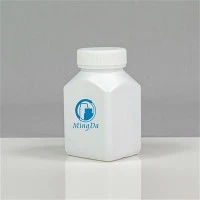
When buyers begin sourcing plastic packaging, one of the first questions is usually, "Which bottle size should I choose?" In practice, experienced packaging engineers ask a different question:
"What does the product require from its packaging?"
The answer determines almost every packaging decision that follows.
A bottle for vitamins is designed differently from one for barbecue sauce. A cosmetic container may prioritize appearance, while pharmaceutical packaging often focuses on sealing integrity and product protection. Even products with the same filling volume can require completely different bottle structures.
After years of supplying plastic packaging for the healthcare, dietary supplement, food, and personal care industries, one pattern becomes clear: the most successful packaging projects begin with understanding the product-not the bottle.
This guide explains how buyers from different industries typically evaluate plastic packaging and the practical considerations that often make the biggest difference.


Start with Product Characteristics, Not Bottle Capacity
Capacity is one specification, but it should never be the only one.
Before selecting a bottle, experienced buyers usually evaluate several questions:
- Is the product a liquid, powder, capsule, tablet, gummy, cream, or gel?
- Does it need protection from moisture or light?
- Will it be filled on an automatic production line?
- Is induction sealing required?
- Will consumers squeeze, pour, spray, or simply open the container?
These factors influence bottle material, neck finish, closure type, wall thickness, and even the bottle shape.
Choosing packaging without answering these questions often leads to redesigns later in the project.
Supplement Packaging Prioritizes Protection Over Appearance
The dietary supplement industry continues to drive demand for 2 oz plastic bottles with lids bulk, especially for products such as:
- Capsules
- Tablets
- Gummies
- Softgels
- Herbal supplements
- Sample packs
Interestingly, buyers in this market rarely ask whether the bottle looks attractive first.
Instead, discussions usually focus on practical details such as:
- Is the cap compatible with induction sealing?
- Will moisture affect the product?
- Is there enough space for regulatory labels?
- Are bottle dimensions consistent enough for automatic filling?
For supplement brands, reliable packaging helps maintain product quality throughout transportation, warehousing, and retail distribution.
Buyer's Tip: Ask your supplier for bottle and cap samples assembled together-not separately. This allows you to verify sealing performance before placing a production order.


Amber Bottles Are Chosen for Function, Not Just Appearance
One of the most common misconceptions is that amber bottles are selected simply because they look more premium.
In reality, buyers searching for amber plastic bottles wholesale are often looking for additional protection against light exposure.
Amber bottles are commonly used for:
- Vitamins
- Botanical extracts
- Nutritional supplements
- Certain pharmaceutical products
- Light-sensitive formulations
While amber packaging helps reduce UV exposure, it should be viewed as one part of an overall packaging strategy rather than a replacement for proper stability testing.
For brands in the healthcare sector, the combination of appropriate material selection and effective sealing is often more important than bottle color alone.


Food Packaging Requires Different Design Priorities
Food products place different demands on plastic packaging.
For example, companies purchasing plastic bbq sauce bottles wholesale usually pay close attention to how the bottle performs during everyday use.
Common evaluation points include:
- Can consumers squeeze the bottle comfortably?
- Does the sauce dispense smoothly?
- Will the bottle recover its shape after squeezing?
- Can the closure prevent leakage during transportation?
These functional details directly influence customer experience.
A bottle that performs reliably on the production line but frustrates consumers during use may ultimately increase complaints and reduce repeat purchases.
Spray Packaging Is a Complete System
Many buyers search for plastic spray bottles bulk, assuming the bottle is the primary component.
In reality, spray packaging consists of several parts working together:
- Bottle
- Spray pump or trigger sprayer
- Closure
- Dip tube
- Product formulation
Compatibility between these components is critical.
For example, a bottle may meet dimensional specifications perfectly, but an incorrectly sized dip tube or incompatible pump can still result in poor spray performance or leakage.
For this reason, experienced buyers generally evaluate complete assembled samples instead of testing bottles in isolation.

Beverage Packaging Focuses on Shelf Appeal and Logistics
Although your company may not specialize in beverage packaging, buyers frequently encounter search terms such as plastic drink bottles wholesale and 12 oz plastic juice bottles wholesale when researching packaging suppliers.
From a packaging perspective, beverage containers are typically designed with priorities such as:
- Product visibility
- Lightweight transportation
- Efficient pallet loading
- Consumer handling comfort
- Attractive shelf presentation
These priorities differ significantly from healthcare packaging, where product protection, sealing performance, and regulatory compliance often receive greater attention.
Understanding these differences helps buyers avoid selecting packaging based solely on visual appearance.
Packaging Decisions Affect More Than Product Safety
Many companies compare suppliers primarily on bottle price.
However, experienced purchasing managers often calculate the total cost of packaging ownership instead.
Factors that deserve equal attention include:
- Filling efficiency
- Defect rates
- Leakage during shipping
- Carton utilization
- Label application consistency
- Supplier production stability
- Repeat order consistency
Saving a few cents per thousand bottles may not offset the costs associated with production delays, customer complaints, or damaged goods.
This is one reason why long-term partnerships often develop around reliability rather than simply the lowest quotation.
One Packaging Solution Rarely Fits Every Product
As businesses expand, packaging requirements become more specialized.
Different industries naturally prioritize different characteristics.
| Industry | Primary Packaging Focus |
|---|---|
| Dietary Supplements | Moisture protection, induction sealing, production consistency |
| Pharmaceuticals | Product protection, regulatory compliance, light resistance |
| Food Products | Leak prevention, dispensing performance, food safety |
| Personal Care | Appearance, decoration options, user convenience |
| Spray Products | Pump compatibility, chemical resistance, consistent spraying |
Instead of searching for a "universal" bottle, successful buyers typically develop packaging solutions tailored to each product category.
Final Thoughts
Choosing plastic packaging is rarely about selecting the lowest-priced bottle or the most attractive design.
Successful packaging projects begin with understanding the product, the production process, and the customer's expectations.
Whether you're evaluating 2 oz plastic bottles with lids bulk, amber plastic bottles wholesale, plastic bbq sauce bottles wholesale, or plastic spray bottles bulk, the best packaging decision is usually the one that supports product performance throughout manufacturing, transportation, storage, and everyday use.
The bottle itself is only one part of the packaging solution-but selecting the right one can make a meaningful difference to product quality, operational efficiency, and long-term customer satisfaction.