

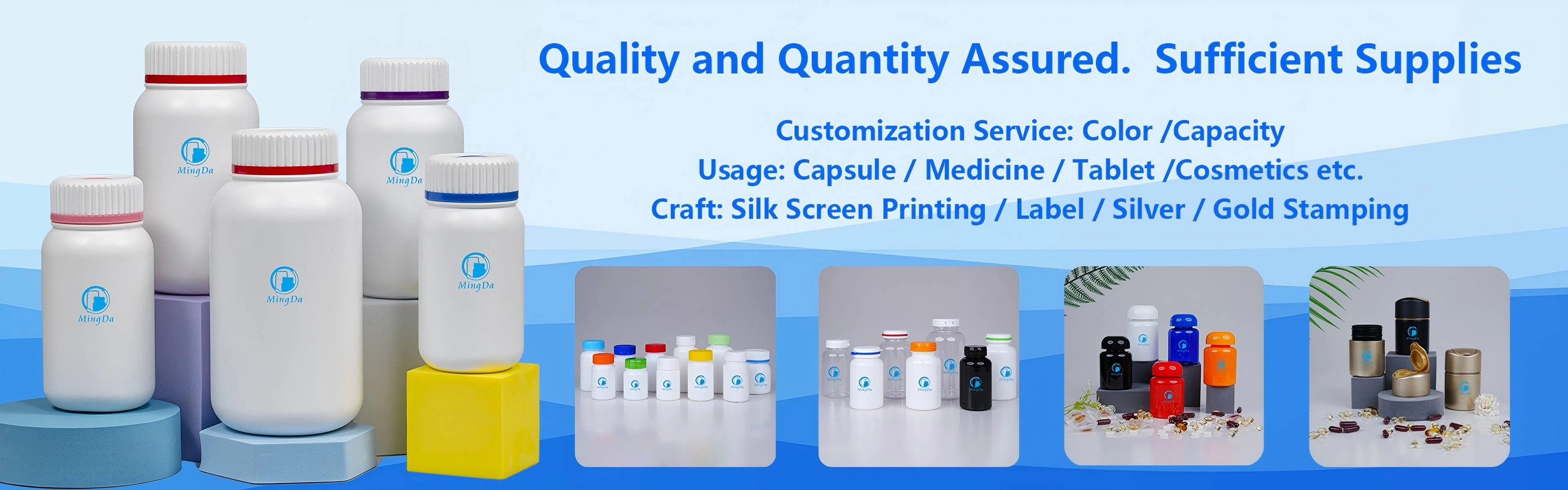
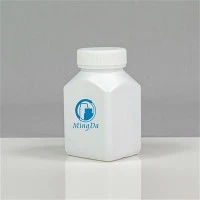
Effervescent tablets release gas when they interact with moisture, which makes packaging design critical. The wrong closure can cause pressure build-up, deformation, or even leakage. Let's explore which closure and venting systems are best suited to maintain stability and safety in effervescent tablet packaging.
Understanding the Problem: Gas and Moisture Sensitivity
Effervescent tablets are designed to react with water, creating a fizzing effect that helps the tablet dissolve quickly. But that same reaction can happen prematurely if moisture enters the container. The result? Gas formation and pressure build-up inside the bottle. This is why moisture protection and controlled venting are two of the biggest challenges in effervescent tablet packaging.

Closure Options That Handle Pressure Safely
Desiccant Closures (Integrated Type)
The most common choice is a desiccant cap, which includes built-in silica gel or molecular sieve materials. These closures absorb moisture from the air inside the container, keeping the tablets dry and preventing unwanted reactions. While they don't "vent" gas, they effectively stop the issue at the source - by blocking humidity.
Pressure-Relief Closures (Vented Design)
When minor gas formation is unavoidable, vented caps come into play. These are designed with micro-vent channels that release internal pressure without letting moisture enter. The venting material is often a hydrophobic PTFE membrane, which allows gases like CO₂ to escape while maintaining a moisture barrier.
Snap-On or Screw Caps with Tamper Evident Seals
In some applications, manufacturers prefer standard screw caps with induction-sealed aluminum foil. These don't vent pressure but are suitable for tablets with minimal gas release, as they ensure an airtight seal and tamper evidence.
For more insights on induction sealing liners and their protective function, you can explore how foil seals extend product shelf life in pharmaceutical packaging.
Choosing the Right Closure Depends on Your Product
The right choice depends on how reactive your effervescent formulation is and your storage conditions. For example:
High humidity regions → Desiccant closure is essential.
Products with slight gas generation → Vented closure with PTFE membrane.
Stable formulas with controlled moisture levels → Standard cap with foil seal.
Before deciding, it's wise to test your product under real-world storage conditions. Many packaging manufacturers (like Hubei Mingda Plastics Products Co., Ltd.) can help run sealing and stability tests to ensure the packaging meets safety and compliance standards.
Final Thoughts
Preventing pressure build-up in effervescent tablet bottles isn't just about choosing a tight seal - it's about smart engineering. Vented closures with moisture barriers are the ideal solution for brands that value product stability and customer safety.
Whether you use HDPE bottles with desiccant caps or PET containers with foil-sealed lids, the key is maintaining a perfect balance between airtight protection and controlled gas release.