

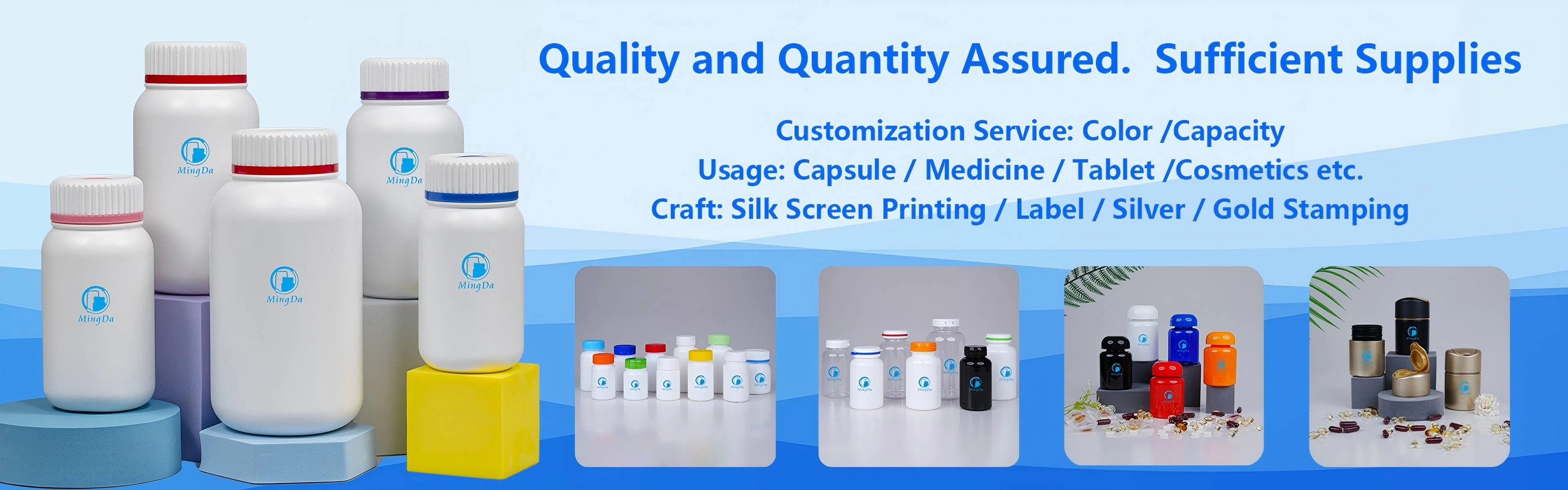
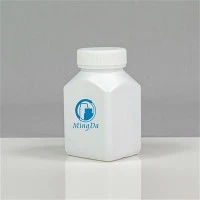
Many brand owners often ask: "Can you print my logo directly on the bottle?" The answer is yes, but the suitable printing method, cost, and minimum order quantity (MOQ) depend on your design, bottle material, and production goals. In this article, we'll take a closer look at the main decoration options - silk screen printing, hot stamping, UV coating, and electroplating- and help you understand which method best fits your product packaging.
Printing Your Logo on the Bottle: What's Possible
If your bottles are made of high-density polyethylene (HDPE) or polyethylene terephthalate (PET), you can easily print your brand logo, dosage markings, or product information directly onto the surface. Hubei Mingda Plastics Products Co., Ltd. offers a variety of finishing technologies suitable for food, supplements, cosmetics, and pharmaceutical packaging. Each process delivers a unique visual and tactile experience.
Silk Screen Printing
This is one of the most popular and cost-effective finishing methods for plastic bottles. It's ideal for simple logos, single-color or limited-color designs, and both matte and glossy surfaces. Ink is transferred through a fine mesh, leaving a durable, slightly raised texture.
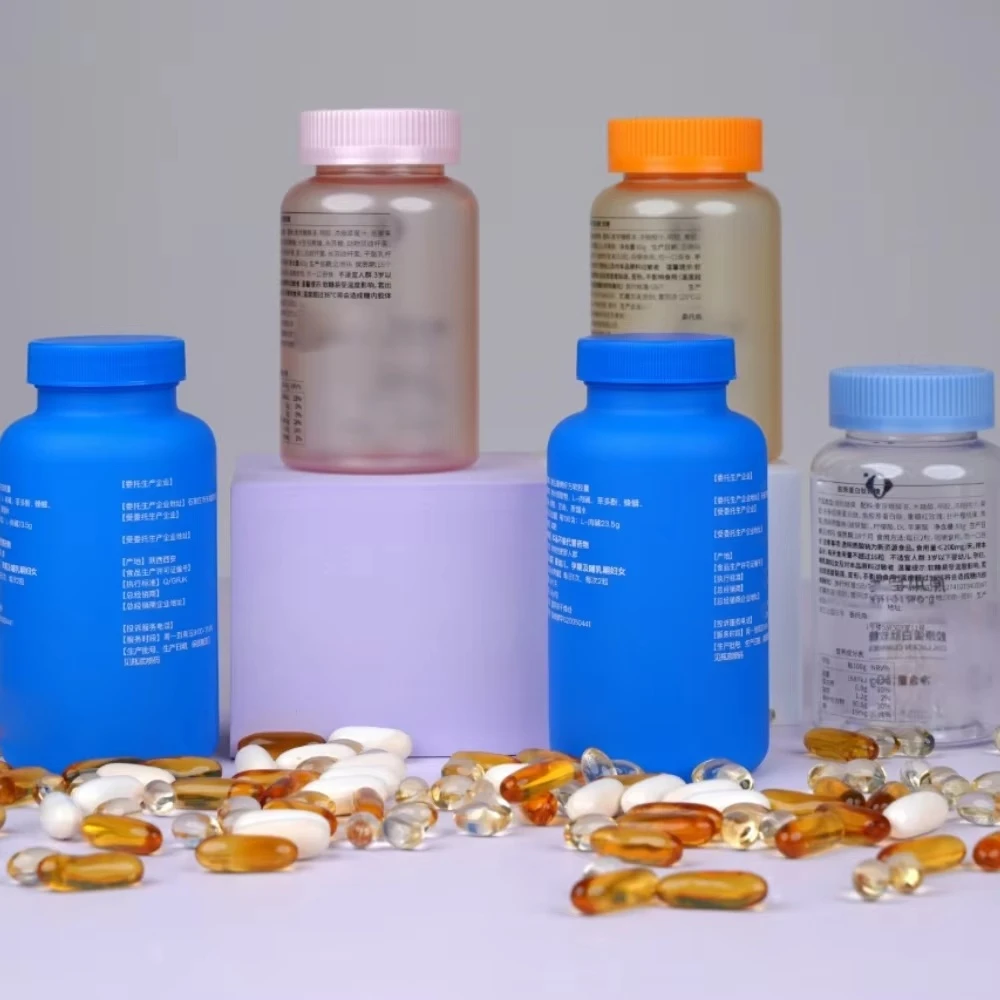
Advantages: Long-lasting, color-stable, suitable for small to medium production runs.
Disadvantages: Not suitable for complex gradient designs.
Minimum Order Quantity: Around 20,000 bottles, depending on design.
Hot Stamping
This process uses heat and pressure to transfer a metallic foil onto the bottle surface-ideal for premium branding. It's commonly seen on vitamin bottles and luxury skincare packaging.
Advantages: Elegant metallic shine, no ink curing time, excellent adhesion.
Disadvantages: Slightly higher cost; limited to one foil color at a time.
Minimum Order Quantity: Around 20,000 pieces.
UV Coating
UV coating is not a printing method itself but a surface finishing technique. After printing, a UV varnish is cured under ultraviolet light to create a glossy or matte protective layer.
Advantages: Enhances color brightness, is scratch-resistant, and durable.
Disadvantages: Slightly higher price, requires precise curing control.
Minimum Order Quantity: Around 20,000 bottles.
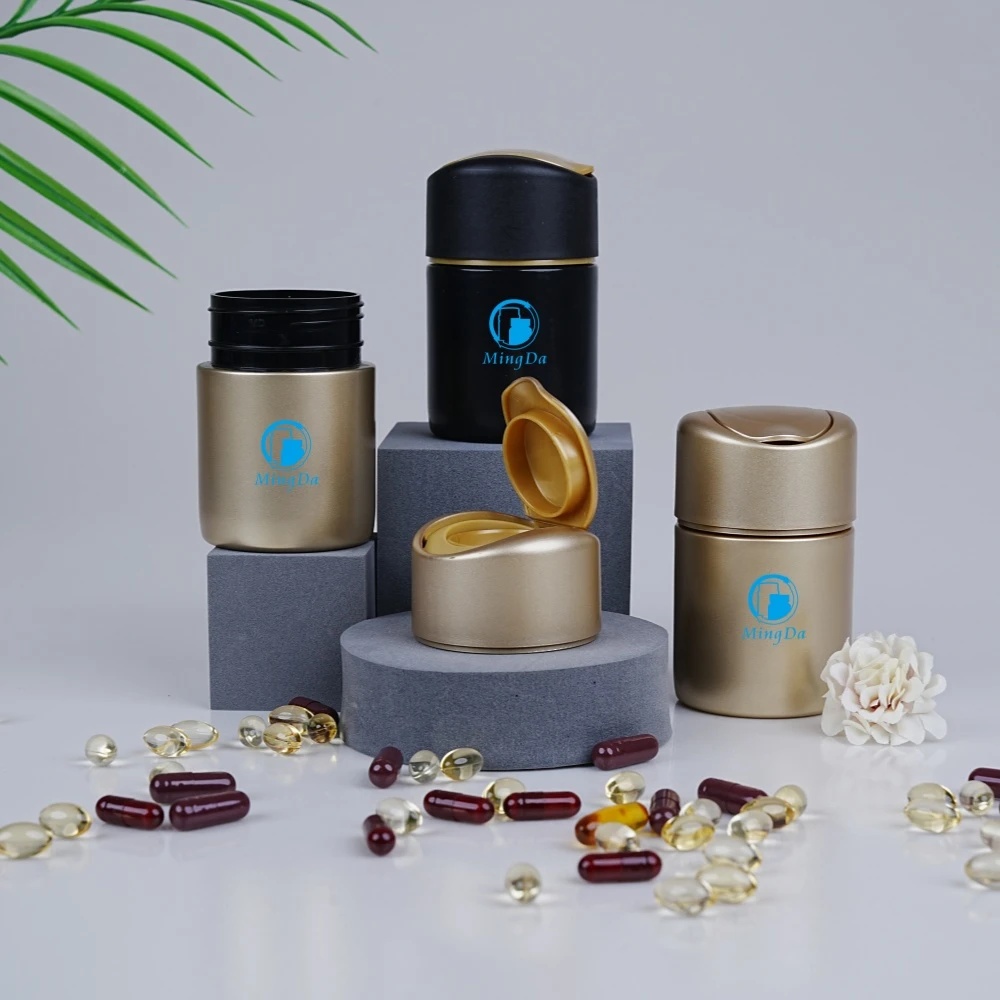
Electroplating
However, PET products cannot withstand high temperatures and are usually not suitable for this process. Currently, the most popular process is hot stamping on the lid, which also produces beautiful results.
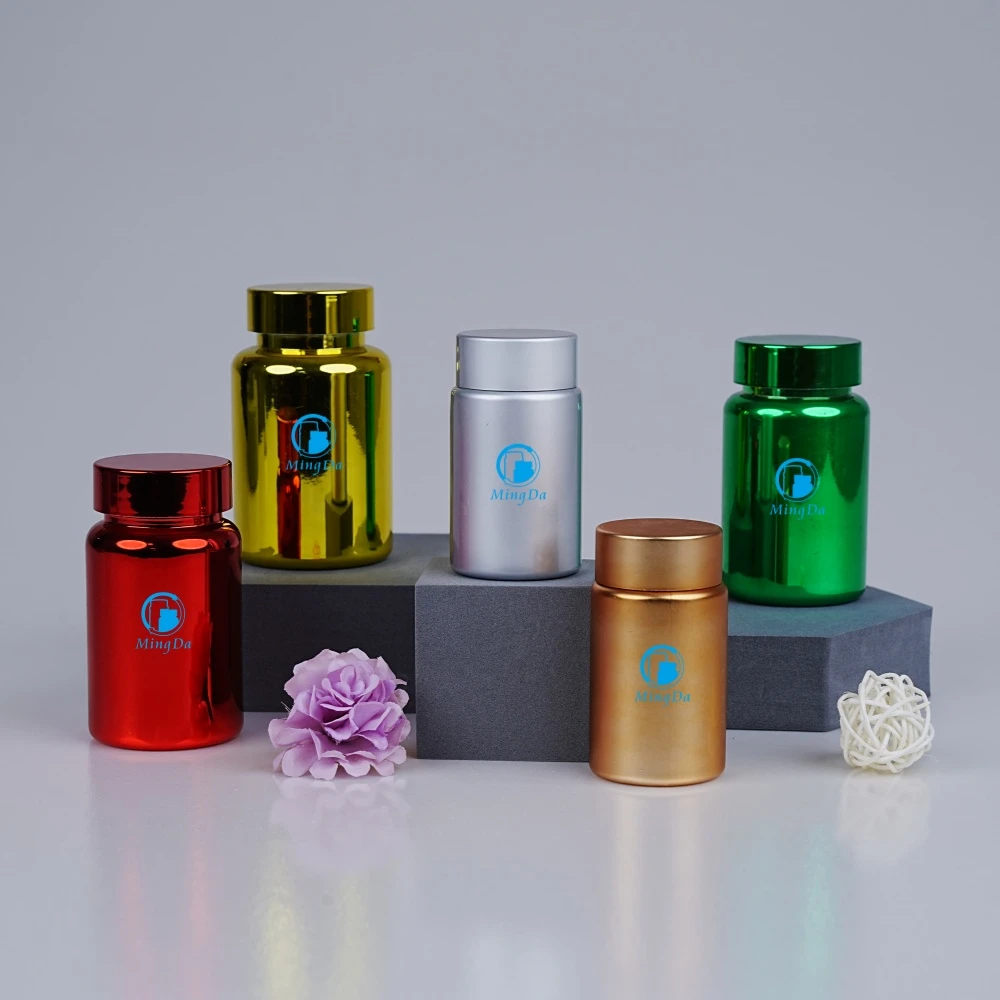
Advantages: Luxurious appearance, excellent barrier properties, strong adhesion.
Disadvantages: Higher setup cost
Minimum Order Quantity: Minimum 20,000 bottles.
How to Choose the Right Process
Your choice depends on the following factors:
Design complexity: Simple logo → Silk screen; Metallic logo → Hot stamping or electroplating.
Brand positioning: Premium brands often combine UV + hot stamping for a multi-layered finish.
Budget and quantity: For small or trial batches, silk screen printing is the most practical choice.
At Mingda, we recommend creating a sample mock-up before mass production to verify color accuracy and adhesion.
Conclusion
Yes - you can absolutely have your logo printed directly on plastic bottles. The key is selecting the right process based on your material, budget, and brand identity. Whether you're producing HDPE supplement containers, PET medicine bottles, or PP plastic caps, professional finishing can make your packaging stand out on the shelf.
If you'd like to learn more about custom bottle decoration, please contact Hubei Mingda Plastics Products Co., Ltd. for a detailed quotation and sample support.