

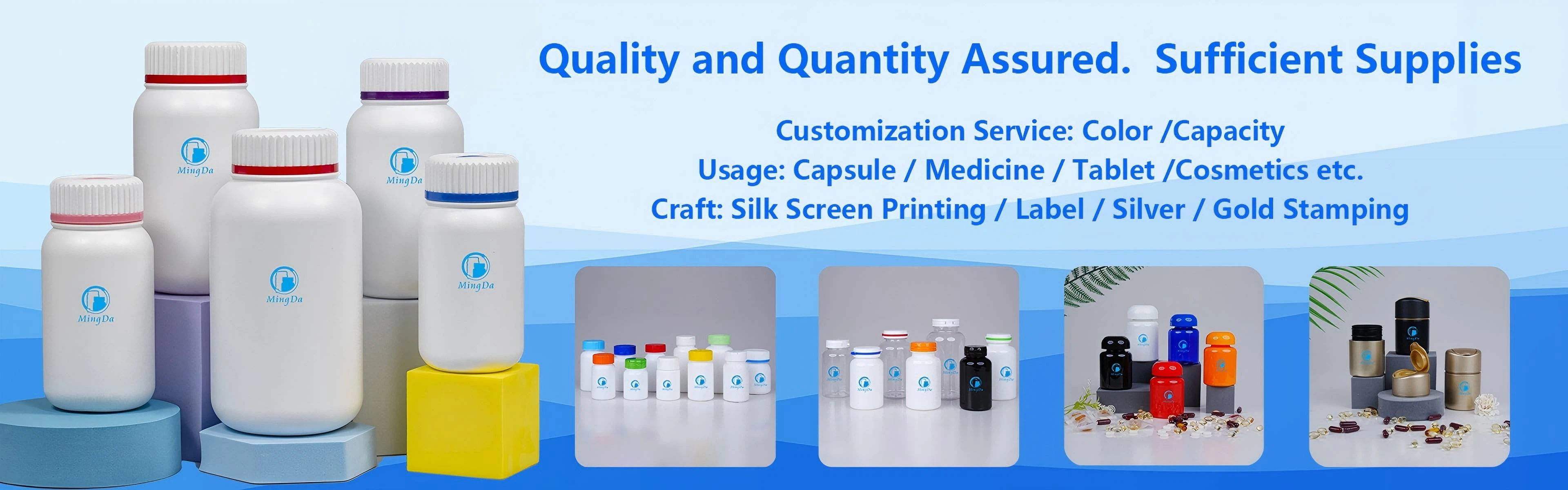



With the continued growth of China's plastic packaging exports, PET, HDPE and PP plastic bottles and jars are widely supplied to markets in Europe, North America, Southeast Asia and Australia. Overseas buyers now have requirements that go far beyond appearance, sealing performance and drop resistance. Food contact compliance, hazardous substance control, and recyclable and sustainable packaging solutions have gradually become essential requirements for market access. Some packaging manufacturers face failed audits, customs detention or product returns because they do not fully understand the regulations in different markets. Providing only raw material certificates without supporting finished product test reports is often insufficient. This article reviews common export compliance requirements, testing items, challenges in using recycled materials, and the future development of sustainable plastic packaging.
Food Contact Regulations in Different Markets
Food contact regulations vary between countries and regions, and there is no single test report that automatically applies worldwide. In the United States, FDA regulations are the primary reference for food contact materials. For plastic bottles and jars used for dietary supplements and food packaging, raw materials, colorants, sealing liners and cap components must comply with the applicable regulatory requirements. Buyers often request FDA registration documents, material declarations and migration test reports.
The European market follows the food contact framework regulation EC 1935/2004, together with the specific requirements for plastic materials under EU 10/2011. These regulations establish clear controls over monomers, additives and migration limits. Phthalates, heavy metals and primary aromatic amines are among the substances that receive particular attention.
In Southeast Asia and the Middle East, in addition to basic food contact testing, some customers may also require Halal certification to meet the requirements of halal food and dietary supplement distribution channels.
Why Finished Product Testing Matters
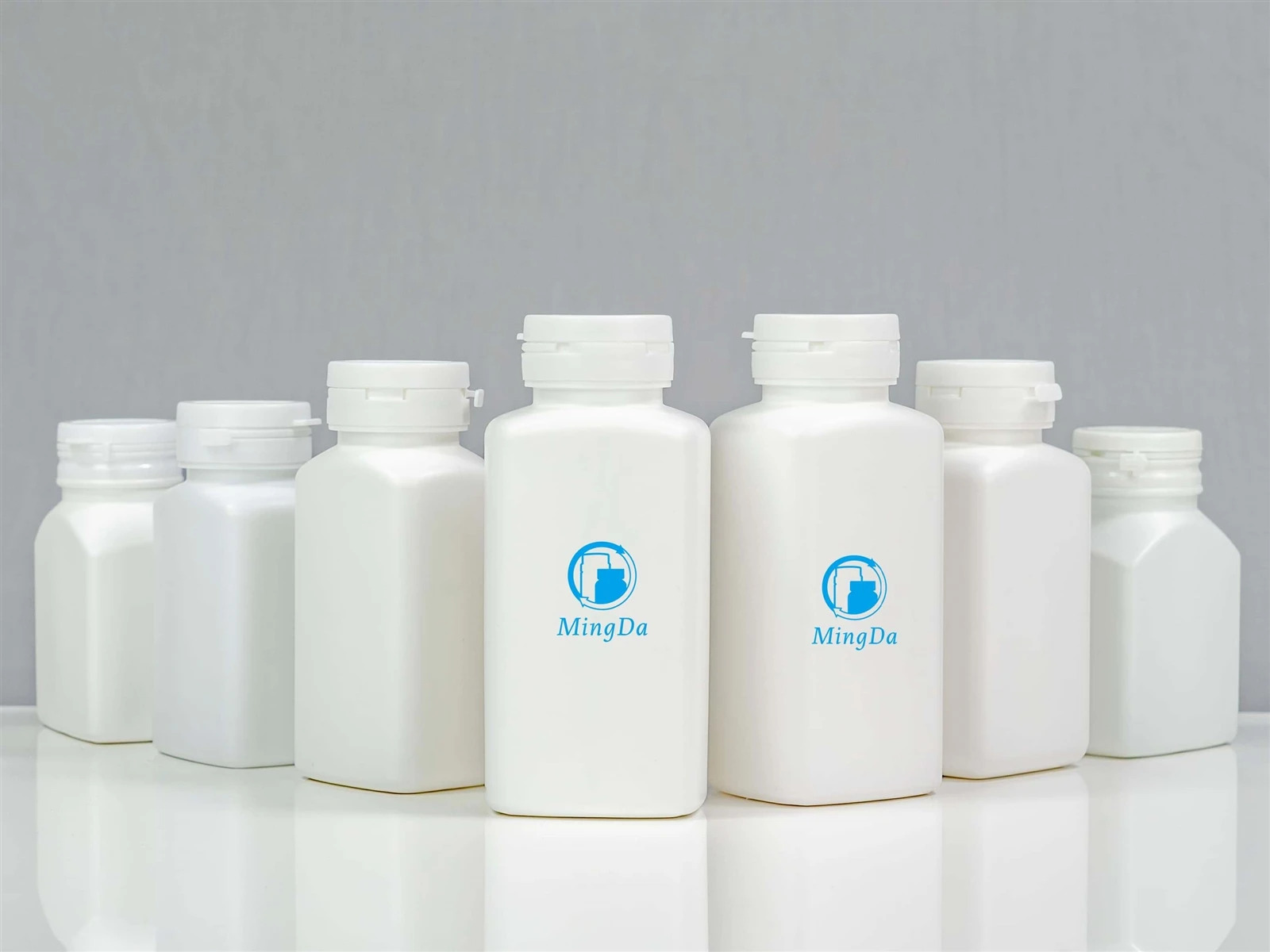
A common misunderstanding among suppliers is that compliant raw materials automatically mean compliant finished products. In practice, plastic bottles and jars undergo processes such as high temperature extrusion, injection molding, blow molding and heat sealing. During manufacturing, factors including temperature, shear forces, additives, colorants and mold release agents may affect the migration characteristics of the final product.
Even when the same batch of raw materials is used, finished products manufactured under different processing conditions or with different molds may produce different migration test results. Therefore, overseas buyers generally place greater emphasis on finished product test reports during supplier audits.
Common third party testing items include overall migration, specific migration, heavy metals such as lead and cadmium, plasticizers and phthalates.
In recent years, control of PFAS (per and polyfluoroalkyl substances) has become increasingly strict. European and American brands are gradually adding PFAS screening to their compliance requirements. Whether the materials are used in bottle bodies, sealing liners or printing inks, potential PFAS contamination needs to be controlled.
Functional Testing for Plastic Packaging
In addition to chemical safety testing, functional performance testing is another important part of export order acceptance.
For plastic bottles and jars used in dietary supplements and pharmaceutical packaging, common functional tests include leakage testing, water vapor transmission rate (WVTR), oxygen transmission rate (OTR), drop testing, stacking compression testing and opening torque testing.
Containers equipped with child resistant caps must also undergo child resistance testing according to the applicable standards. This is a mandatory requirement for certain packaging applications in the North American dietary supplement market. Products that fail to meet the relevant requirements may not be eligible for sale in these markets.
For moisture protection packaging systems, such as desiccant caps and containers supplied with desiccants, the moisture absorption performance of the desiccant should also be verified. This helps maintain stable humidity levels inside the container throughout the specified shelf life.
Recycled Plastics and Sustainable Packaging
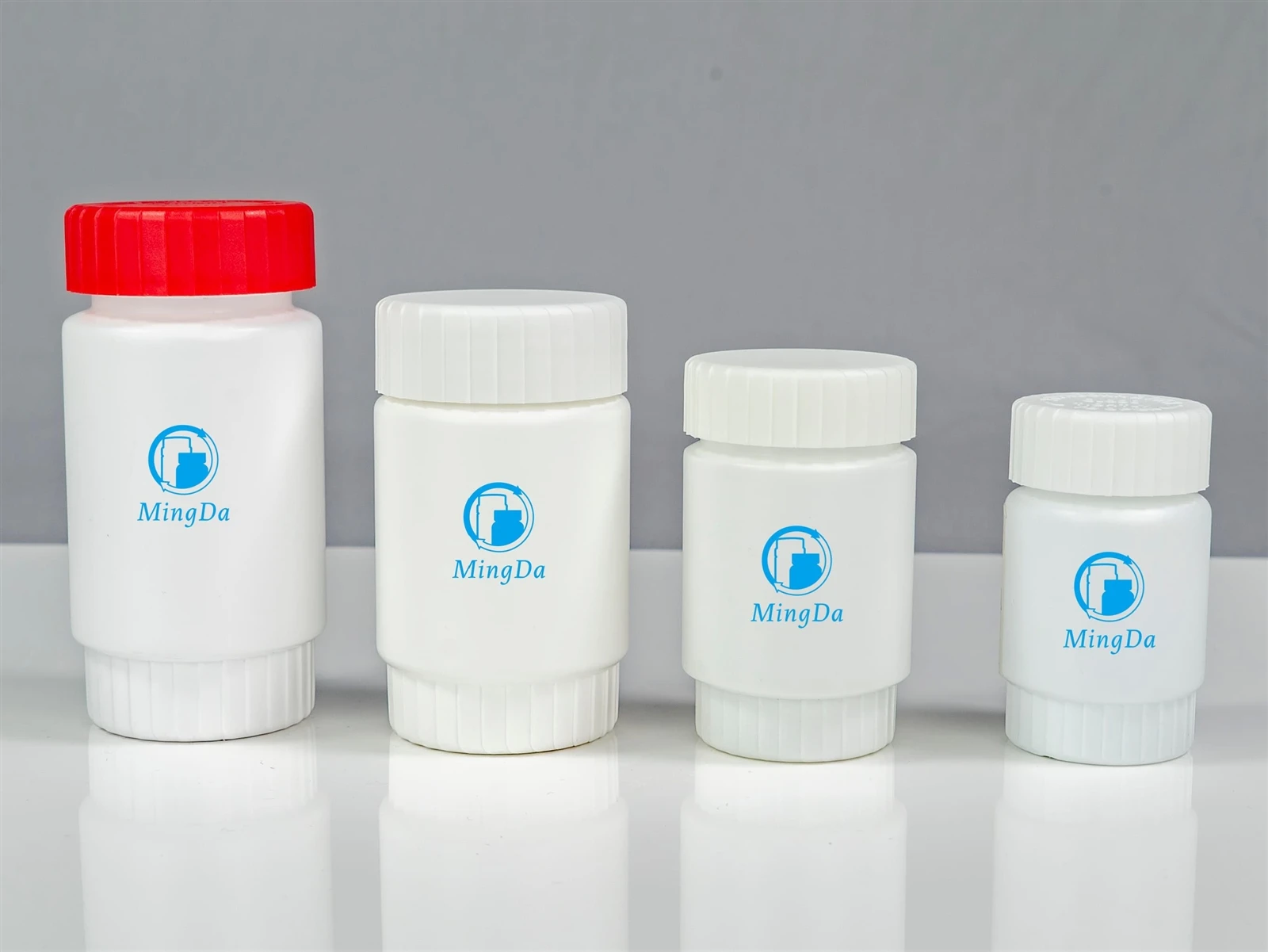
Sustainable packaging has become a major trend in overseas markets since 2020. Recycled plastics, particularly R-PET and R-HDPE, are among the most widely discussed materials.
Compared with virgin materials, recycled plastics can help reduce carbon emissions and support the ESG commitments of international brands. However, the requirements for using recycled plastics in food contact packaging are relatively strict. The European Union and the United States have regulatory requirements covering recycled material traceability, collection and sorting systems, and decontamination processes. Simply collecting, crushing and reprocessing waste plastic is not sufficient to make it suitable for food contact applications.
Recycled materials can have greater batch to batch variations and higher risks of impurities and residual contaminants. Each batch therefore requires appropriate supporting test documentation, together with a complete traceability system to verify the source of the recycled materials and the decontamination process.
At present, recycled plastic bottles and jars generally cost more than products made from virgin materials. Their barrier performance and color consistency can also be more difficult to control. As a result, recycled plastics are more commonly considered for applications with moderate barrier requirements. For dietary supplement products with highly active ingredients, high oil content or long shelf life requirements, many brands still prioritize virgin food contact grade materials.
Lightweight Packaging for Cost and Carbon Reduction
Lightweight packaging is another important approach to reducing both packaging costs and carbon emissions.
Lightweighting does not simply mean reducing bottle wall thickness. It involves using CAE simulation, mold optimization and material formulation adjustments to reduce resin consumption while maintaining key performance indicators such as drop resistance, compression strength and barrier properties.
This approach places higher demands on blow molding processes, mold precision and raw material grade selection. As wall thickness becomes thinner, the tolerance for process variations is reduced, requiring stronger capabilities in online inspection and routine quality control.
Therefore, lightweight packaging is more suitable for manufacturers with automated production lines and stable process control systems.
Building a Reliable Export Compliance Management System
For plastic packaging exporters, establishing a market specific compliance documentation system is highly recommended.
Manufacturers should identify the certificates, test reports and material declarations required by each target market in advance. It is also important to distinguish between raw material test reports, finished product test reports and management system certifications such as ISO 22000 and HACCP, as each serves a different purpose.
Testing standards and acceptable limits should be confirmed with customers before production to avoid rework or delays caused by inconsistent testing requirements.
Batch management is equally important. Manufacturers should retain product samples, production records and inspection records for each batch. This makes it easier to support customer audits and trace products in the event of quality issues.
Conclusion
Competition in the export market for plastic bottles and jars is shifting from price based competition toward compliance and quality management capabilities.
Understanding the regulations of target markets, establishing comprehensive finished product testing procedures, and developing appropriate solutions for recycled materials and lightweight packaging are important for manufacturers seeking to maintain overseas orders and reduce trade risks.
Sustainable packaging will remain a long term industry direction. However, manufacturers need to understand the limitations of recycled materials and evaluate each application based on the customer's product characteristics, shelf life, budget and regulatory requirements. Rather than adopting recycled materials indiscriminately, packaging suppliers should provide solutions that meet actual application needs without introducing compliance risks for downstream brands.