

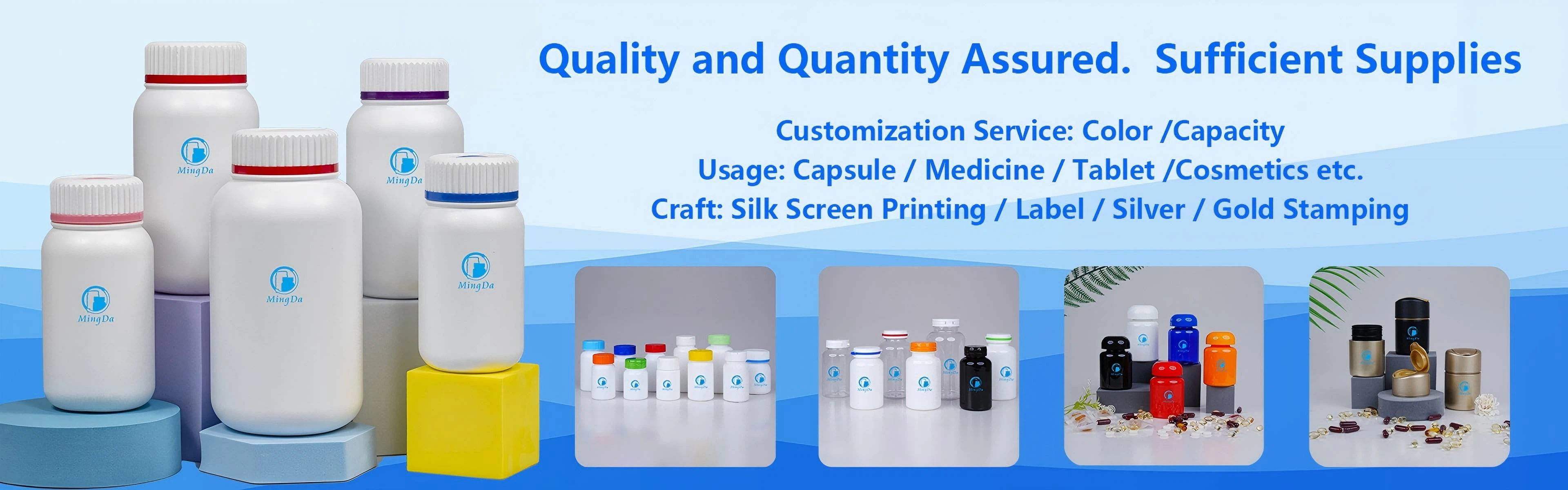


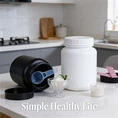
HDPE, also known as High Density Polyethylene, is a commonly used plastic material for powder packaging. Many products on the market, including protein powder, nutritional powder blends, dietary supplements, and pharmaceutical powders, are packaged in HDPE wide mouth plastic jars. Compared with PET and PP, HDPE offers good moisture resistance, chemical resistance, and environmental stress crack resistance, making it suitable for powder products that are sensitive to moisture and oxidation. It has maintained a strong position in the food and dietary supplement packaging industry.
The wide mouth design makes these jars convenient for powder filling and allows consumers to access the contents easily. When combined with suitable sealing liners, moisture control caps, or child resistant closures, HDPE wide mouth jars can meet different packaging requirements across international markets.
1. Material Properties and Advantages of HDPE Wide Mouth Jars
HDPE has a relatively dense molecular structure and a very low water absorption rate, providing good moisture barrier properties. It offers good resistance to many oils, weak acids, and weak alkaline substances, making it suitable for various powder formulations. It is also less likely to be affected by common active ingredients in packaged products.
HDPE has excellent toughness and impact resistance. It is less likely to become brittle at low temperatures, making it suitable for long distance transportation, cold storage, and environments with temperature fluctuations. These properties make HDPE jars a practical packaging option for export orders.
However, HDPE is naturally opaque, with a typical milky white appearance. Different colors can be achieved by adding compliant food contact color masterbatch to produce solid colored jars.
It is also important to note that HDPE provides a moderate oxygen barrier rather than a high oxygen barrier. For powder products that are highly sensitive to oxidation, a single layer HDPE jar may not provide sufficient protection. Additional solutions, such as desiccants, high barrier sealing liners, or multilayer coextrusion structures, may be required.
2. Manufacturing Processes and Quality Control
HDPE wide mouth jars are mainly manufactured using extrusion blow molding, while some small size containers can also be produced through injection molding.
Extrusion blow molding is suitable for large diameter and large capacity powder containers. This process offers good production flexibility and can help reduce residual stress when properly controlled, making it a common manufacturing method for HDPE powder jars.
During the blow molding process, wall thickness uniformity is one of the most important quality control factors, particularly around the neck threads and bottom of the jar.
The threads are essential for proper closure fitting and sealing. If the threads are incomplete, deformed, or asymmetrical, even a high quality liner and cap may fail to provide reliable sealing performance. Insufficient wall thickness at the bottom may also cause bulging or deformation when jars are stacked during storage.
Key processing parameters include:
Material melting temperature: Excessive processing temperatures may cause material degradation and increase the risk of unwanted substances being released. Temperatures that are too low may result in poor melt flow, weld lines, and uneven wall thickness.
Extrusion speed: Proper control helps maintain consistent parison formation and wall thickness distribution.
Mold clamping pressure: Stable mold closing conditions help ensure accurate container formation.
Cooling system: Appropriate cooling time and water channel design help improve dimensional stability and reduce post molding deformation.
Consistent process control is essential for producing HDPE jars with stable dimensions and reliable performance.
3. Sealing Systems and Closure Options for Powder Packaging
Powder packaging requires reliable sealing performance. Fine powder particles can escape through small gaps, while moisture entering the container may cause caking, product deterioration, or a reduction in active ingredient stability.
A complete sealing system generally consists of four key components: the jar opening surface, threaded neck, inner sealing liner, and outer cap.
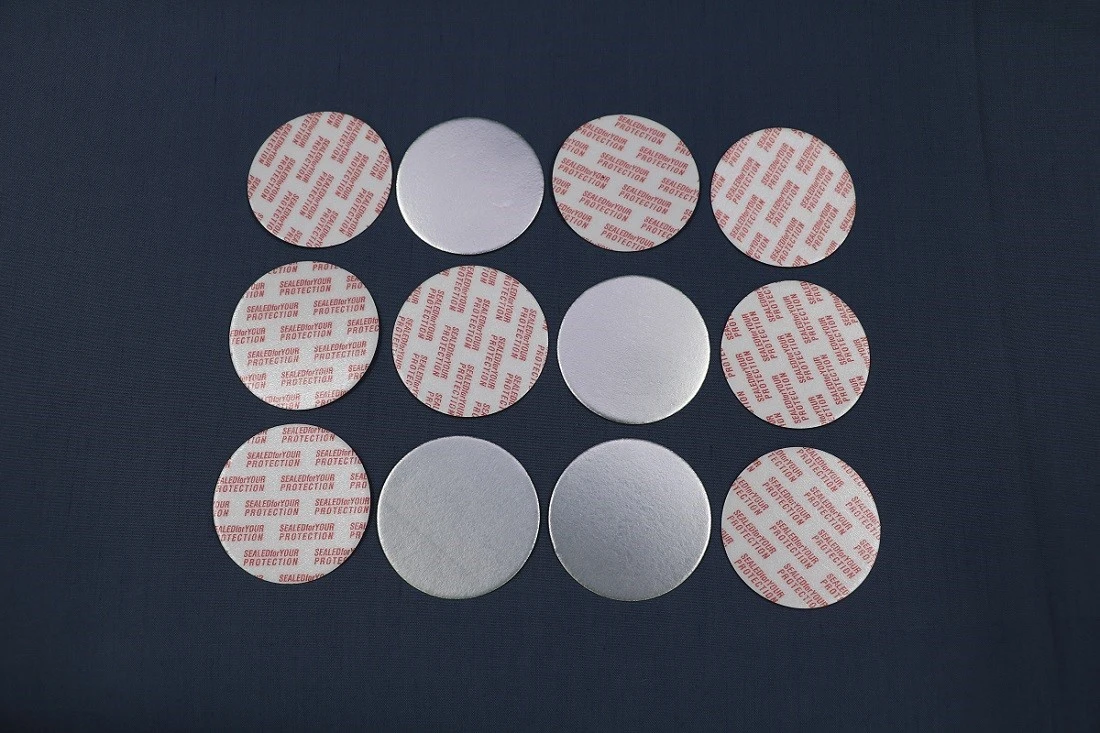
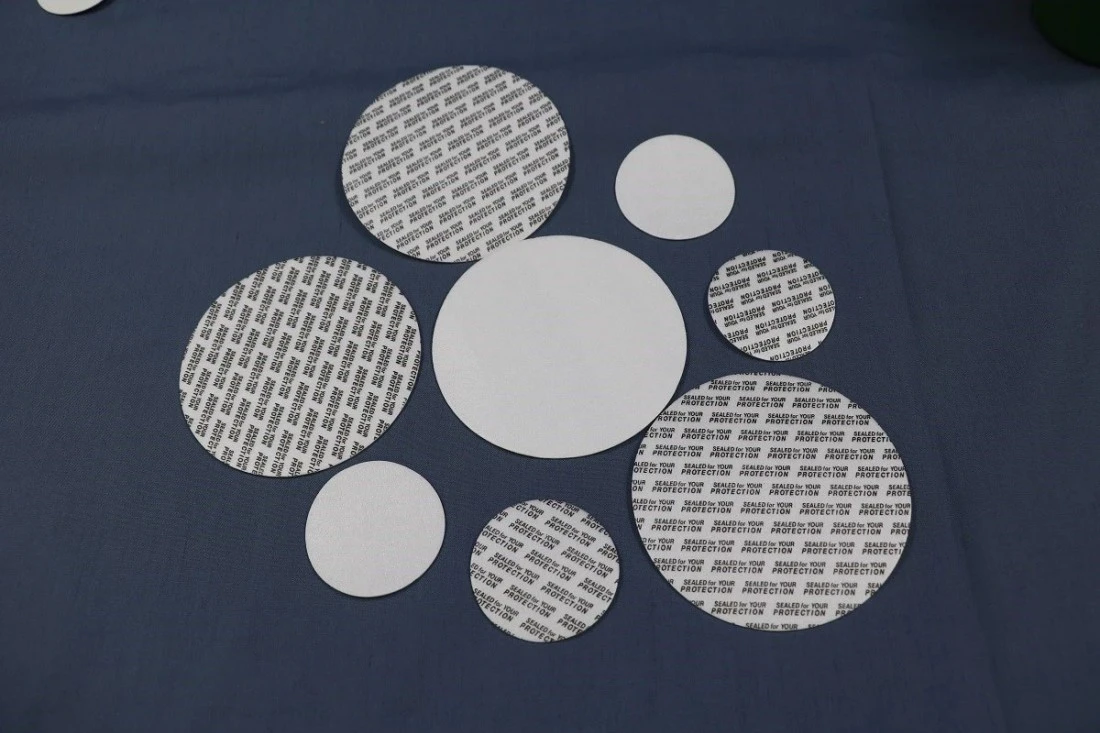
Common sealing options include pressure sensitive liners and heat induction aluminum foil liners.
Pressure Sensitive Liners
Pressure sensitive liners rely on the pressure created when the cap is tightened to maintain contact with the jar opening. They are easy to use and suitable for products with relatively low moisture protection requirements or shorter shelf life expectations.
However, their sealing performance depends on the condition of the jar opening, closure torque, and liner material.
Heat Seal Aluminum Foil Liners
Heat seal aluminum foil liners are widely used for food and dietary supplement powder packaging.
After heat sealing, the liner forms a continuous sealing layer across the jar opening, providing stronger moisture and leakage protection. For products such as protein powder and probiotic powder that are sensitive to moisture, heat sealed aluminum foil liners are generally a preferred option.
The sealing layer must be compatible with the HDPE jar material. Temperature, pressure, and sealing time should also be adjusted through practical testing.
Desiccant Caps
Desiccant caps are another popular option for powder packaging. These caps contain a built in desiccant compartment, often using molecular sieve materials, to absorb moisture inside the container.
They can be used together with aluminum foil liners to provide additional moisture control and help maintain product quality during storage.
Child Resistant Caps
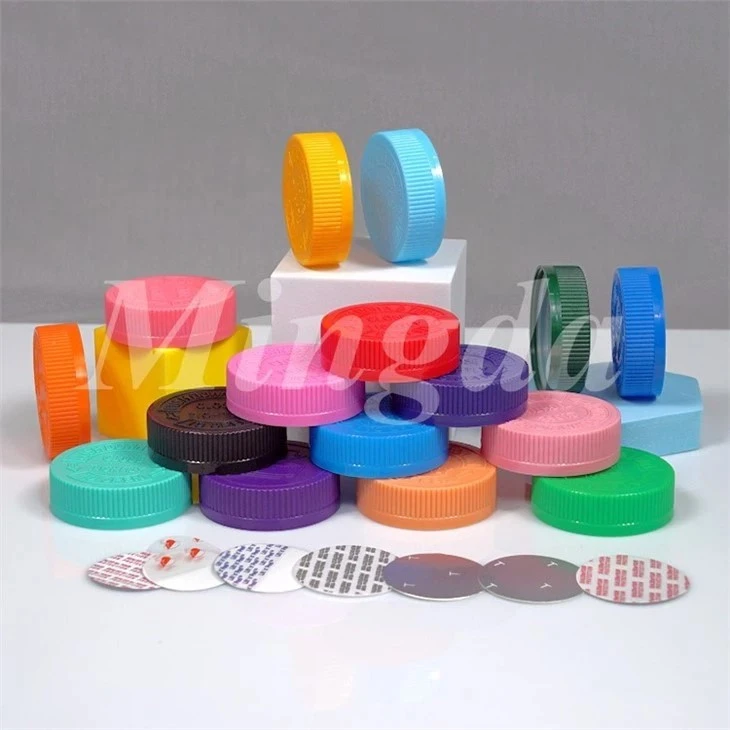
For dietary supplements and pharmaceutical products sold in certain international markets, child resistant caps may be required.
Push and turn caps require users to apply downward pressure while rotating the closure, making it more difficult for young children to open. The specific closure design must be tested and verified according to applicable market regulations.

4. Common Quality Problems in HDPE Wide Mouth Jar Production
Several quality issues may occur during the production of HDPE wide mouth jars. These problems are often related to raw material selection, mold design, processing parameters, and closure compatibility.
1. Leakage or Poor Aluminum Foil Sealing
Common causes include uneven jar opening surfaces, burrs, excessive surface curvature, and unsuitable heat sealing temperature, pressure, or sealing time.
To prevent these problems, manufacturers should inspect the jar opening carefully and adjust heat sealing parameters according to the liner material and container specifications.
2. Container Deformation
Insufficient cooling time, unsuitable HDPE grades, and thin container walls may cause deformation during filling, stacking, or long term storage.
Manufacturers should optimize blow molding conditions, maintain appropriate wall thickness, and conduct compression tests based on actual stacking requirements.
3. Odor and Migration Risks
The use of unidentified recycled materials, non compliant processing additives, or unsuitable color masterbatch may introduce unwanted odors or increase the risk of substance migration.
Manufacturers should select traceable HDPE raw materials and compliant additives. Unverified recycled materials should not be mixed into food contact packaging production.
4. Environmental Stress Cracking
Long term contact with certain oily formulations, combined with residual stress in the container, may cause fine cracks or even container failure.
Selecting HDPE grades with good environmental stress crack resistance and optimizing molding conditions can help reduce this risk. Compatibility testing with the actual packaged formulation is also recommended.
5. Food Contact Compliance and Quality Testing
HDPE wide mouth jars used for food and dietary supplement packaging must comply with applicable food contact material requirements.
Raw materials, color masterbatch, and processing additives should have appropriate supporting documentation. Finished containers may also require migration testing, heavy metal testing, and other relevant safety assessments according to the intended application and target market.
Many buyers focus mainly on the appearance of plastic containers while overlooking finished product testing. However, a compliant raw material report does not automatically mean that the final container is compliant. Processing conditions, additives, and thermal processing may all affect the final migration results.
For export orders, manufacturers must also consider the regulations of the destination market, including relevant FDA food contact requirements in the United States and food contact material regulations in the European Union.
Buyers may also request third party testing reports, such as SGS reports, to verify product quality and compliance.
6. How to Choose the Right HDPE Wide Mouth Jar for Powder Products
There is no single packaging solution suitable for every powder product. The selection of an HDPE jar should depend on moisture sensitivity, oxidation risk, shelf life, filling equipment, and storage conditions.
For powder products with relatively low moisture protection requirements and shorter shelf life expectations, a standard HDPE jar with a suitable pressure sensitive liner may be sufficient.
For highly active, moisture sensitive, and long shelf life products such as protein powder and probiotic powder, a combination of an HDPE jar, heat sealed aluminum foil liner, and built in desiccant cap may provide better moisture protection.
The filling equipment must also be considered during packaging selection.
The jar opening diameter should match the discharge opening of the powder filling machine. Neck height and thread specifications must be compatible with the selected cap and sealing liner.
Before mass production, buyers and packaging manufacturers should conduct the following tests:
Sample fitting tests to confirm compatibility between the jar, cap, and liner.
Heat sealing tests to verify sealing performance and prevent leakage.
Accelerated aging tests to evaluate packaging stability under simulated storage conditions.
Appropriate moisture and sealing performance tests to assess the risk of powder caking during storage.
These tests help ensure that the complete packaging system meets the requirements of the actual filling, transportation, and storage processes.
7. Conclusion
HDPE wide mouth plastic jars are a cost effective packaging solution for many food, dietary supplement, and pharmaceutical powder products. Their advantages include good moisture resistance, chemical resistance, toughness, and processing flexibility.
However, reliable packaging performance depends on more than the HDPE material itself. Raw material selection, blow molding process control, neck precision, sealing components, and food contact compliance all play important roles in the final product quality.
Packaging manufacturers need to maintain quality control throughout the entire production process, from raw material selection and mold development to molding, closure matching, and finished product inspection.
Hubei Mingda Plastics Products Co., Ltd. is a manufacturer specializing in HDPE and PET plastic bottles, jars, and packaging components. We provide OEM and ODM packaging solutions for food, dietary supplement, pharmaceutical, cosmetic, and daily chemical applications, supporting customized container sizes, colors, and matching closures.
For brands, product manufacturers, and packaging buyers looking for reliable powder packaging solutions, selecting the right HDPE wide mouth jar and compatible sealing system is an important step toward maintaining product quality and consistent packaging performance.