

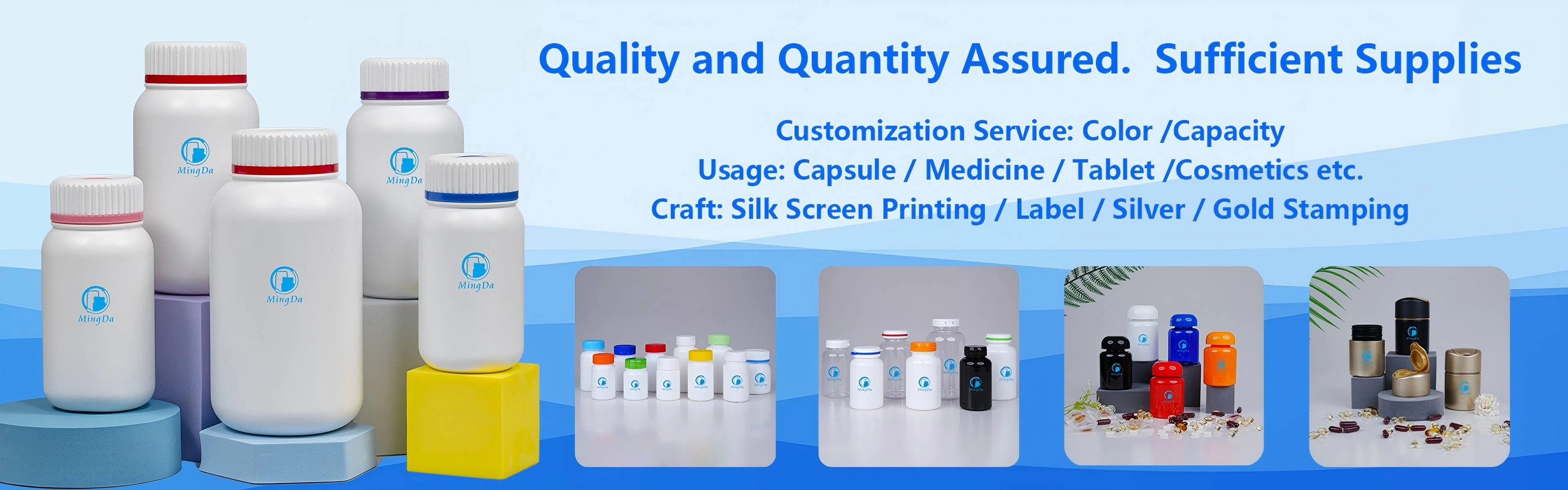



High-Density Polyethylene (HDPE) is a widely used plastic in industries like packaging, pharmaceuticals, and consumer goods. However, recent events have raised concerns about potential shortages in the HDPE supply chain. I
What is HDPE?
HDPE (High-Density Polyethylene) is a durable, versatile plastic known for its strength and resistance to chemicals. It's used in packaging, construction, and consumer products. Its durability and recyclability make it popular across many industries.
Reasons for HDPE Supply Chain Shortages
- Raw Material Shortages
HDPE is derived from petroleum, and any fluctuations in oil prices or disruptions in ethylene production can affect the supply of HDPE. The ongoing global oil crisis and shortages of petrochemicals have caused delays in production.
- Shipping Disruptions
The COVID-19 pandemic led to widespread shipping delays and container shortages. This made it difficult to transport both raw materials and finished HDPE products on time, affecting global supply chains.
- Increased Demand
The pandemic increased the demand for plastic packaging, especially in the healthcare and e-commerce sectors. This surge, combined with supply chain delays, led to HDPE shortages in certain markets.
- Production Challenges
Disruptions like plant shutdowns, weather events, and labor shortages have reduced HDPE production capacity. For example, extreme weather events, like the 2021 winter storm in Texas, significantly impacted production.
- Sustainability Pressures
Demand for recycled HDPE is increasing, but recycling infrastructure has not kept pace, leading to further strain on supply.
Impact of HDPE Shortages
- Price Increases
Limited supply and high demand have driven up prices, making HDPE more expensive for businesses to source.
- Production Delays
Shortages can lead to delays in manufacturing schedules, affecting product availability and customer satisfaction.
- Quality Concerns
In some cases, businesses may have to use lower-quality HDPE or substitute materials, potentially compromising product integrity.
- Uncertainty
Ongoing supply chain disruptions can create uncertainty, making it harder for businesses to plan and maintain inventory.
How to Mitigate HDPE Supply Chain Risks
Diversify Suppliers: Having multiple suppliers can reduce reliance on a single source.
Stock Up: Building inventory during periods of lower prices can help ensure stability during shortages.
Use Recycled HDPE: Incorporating recycled materials can help reduce dependency on virgin HDPE.
Local Production: Sourcing materials locally can reduce the impact of shipping delays.
Conclusion
The HDPE supply chain is facing challenges, including raw material shortages, shipping disruptions, and increased demand. By diversifying suppliers, stockpiling materials, and adopting more sustainable practices, businesses can mitigate these risks and maintain stable operations.