


What is PET?
PET (Polyethylene Terephthalate) is one of the most widely used plastics in packaging. It's a versatile material known for its strength, clarity, and resistance to impacts. PET is used extensively in the production of bottles, containers, and packaging films. Its popularity stems from its lightweight nature, cost-effectiveness, and recyclability.
However, like any material, PET has its limitations. One area where it faces challenges is exposure to UV (ultraviolet) light.
UV Exposure and Its Impact on Materials
UV radiation from the sun can cause various materials to degrade over time. For plastics like PET, exposure to UV light can lead to photo-degradation, a process where the material's chemical structure breaks down due to prolonged exposure to UV rays. This can result in:
Color Fading: UV light can break down the dyes or pigments used in PET, leading to fading or discoloration.
Brittleness: Over time, PET exposed to UV rays can become more brittle, increasing the risk of cracks or breaks.
Loss of Strength: Prolonged exposure can weaken PET, making it less resistant to impact or pressure.
Chemical Changes: UV light can also cause chemical changes that might affect the contents stored inside the PET container, especially for sensitive products like pharmaceuticals, health supplements, or food.
Does PET Withstand UV Exposure?
In general, PET is not highly resistant to UV exposure. Without additional protection, PET can degrade when exposed to direct sunlight for extended periods. This can lead to the aforementioned issues, such as brittleness, color fading, and even changes in the chemical properties of the product inside.
However, PET can be treated to enhance its UV resistance. Manufacturers use various methods to improve PET's performance under UV light, ensuring it is more durable and capable of withstanding prolonged exposure.
How to Improve UV Resistance of PET
UV-Blocking Coatings:
One of the most effective methods of protecting PET from UV damage is through the application of UV-blocking coatings. These coatings create a protective layer on the surface of the PET, preventing UV rays from penetrating the material. Such coatings can significantly extend the lifespan of PET containers exposed to sunlight.
UV Stabilizers and Additives:
Another method is to incorporate UV stabilizers or UV absorbers into the PET material itself. These additives absorb the harmful UV radiation, reducing its ability to cause degradation. This method is commonly used in packaging for food, beverages, and cosmetics that need to be exposed to light but require protection from UV damage.
Opaque or Colored PET:
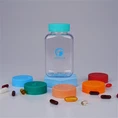
PET packaging can also be produced in opaque or colored variants, which naturally block UV rays from reaching the contents inside. These options are particularly useful for products sensitive to light, like certain medications, vitamins, or cosmetics.
PET with UV-Resistant Films:
Manufacturers can also use PET in combination with UV-resistant films. These films can be applied as a protective barrier, making the packaging more durable under UV exposure.
Benefits of UV Protection in PET Packaging
For businesses, enhancing the UV resistance of PET packaging offers several advantages:
Product Integrity: UV protection helps preserve the quality and effectiveness of products, especially those sensitive to light, such as vitamins, supplements, and food items.
Increased Shelf Life: UV-blocking treatments can prolong the shelf life of products by preventing degradation caused by light exposure.
Enhanced Aesthetics: Packaging with UV protection maintains its clarity and color, ensuring it remains visually appealing to consumers.
Conclusion
While PET does not naturally resist UV exposure, there are multiple ways to enhance its UV stability and protect both the material and the products it contains. Whether through UV-blocking coatings, additives, or opaque designs, manufacturers have effective solutions to ensure that PET packaging remains durable and functional, even in the presence of UV light.