


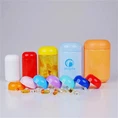


The color of plastic bottles will greatly affect consumers' judgment of product quality, which is mainly based on consumers' psychological factors, past experience and cultural cognition, as follows:
Psychological feelings
Emotional implications of colors: Different colors will trigger different emotional reactions of consumers, which in turn affect the subconscious judgment of product quality. For example, blue is often associated with professionalism and reliability, giving people a sense of calmness and security, so medicines packaged in blue plastic bottles may make consumers feel more professional and guaranteed efficacy; while bright colors such as yellow can easily make people feel energetic and happy, and beverages packaged in yellow plastic bottles may make consumers feel more energetic and taste better.
Texture association of colors: Colors can convey different textures. Metallic colors such as gold and silver usually give people a high-end and luxurious feeling. Consumers may think that products using plastic bottles of this color, such as some high-end skin care products, are of higher quality and more precious ingredients; while colors such as matte black may convey a low-key and calm texture, making consumers feel that the product has unique quality and style.
Experience and habits
Inherent cognition of product categories: For a long time, some product categories have formed a fixed association with plastic bottles of specific colors, and consumers will judge product quality based on this habitual cognition. For example, condiments such as soy sauce are usually packaged in dark glass bottles or plastic bottles to prevent light from affecting the quality. When consumers see soy sauce packaged in dark plastic bottles, they will feel that it meets their expectations for product preservation and quality; if soy sauce is packaged in transparent plastic bottles, it may cause consumers to worry that the quality is difficult to guarantee and it is easy to deteriorate.
The influence of brand color: Well-known brands have long used packaging in specific colors, and consumers will associate this color with the brand's quality image. For example, the blue packaging bottle of Evian mineral water has become a signature element of its brand. When consumers see Evian mineral water in a blue plastic bottle, they will associate it with its high-quality water source and high quality from the Alps.
Cultural factors
Color symbolism in culture: Different cultures have different symbolic meanings for colors, which will also affect consumers' judgment of product quality. In Eastern culture, red symbolizes auspiciousness and prosperity. Health products packaged in red plastic bottles may make consumers feel more blessed and nourishing, and the quality is more guaranteed; in Western culture, white is often associated with purity and cleanliness. Baby products packaged in white plastic bottles may make Western consumers feel purer and safer.
Preference differences under cultural background: Consumers from different cultural backgrounds have different preferences for colors, which in turn affects their subjective perception of product quality. For example, in some tropical cultures, people may prefer cool colors such as refreshing blue and green, and will have a better impression of products packaged in plastic bottles of these colors, believing that their quality is more in line with local usage needs and environmental characteristics; while in cold regional cultures, people may prefer warm colors such as red and orange, and will have a higher sense of quality recognition for products packaged in plastic bottles of corresponding colors.
Does the color of plastic bottles affect consumers' judgment of product quality?
Feb 21, 2025 Leave a message
Send Inquiry