

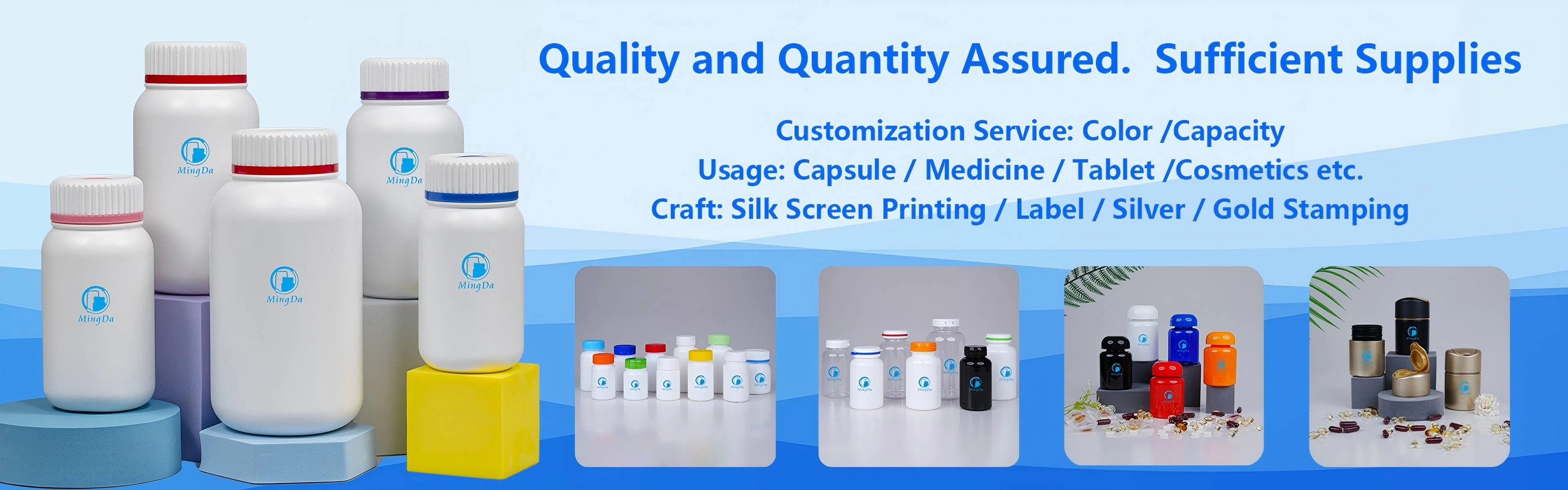



Advantages of HDPE Plastic Bottles
HDPE (High-Density Polyethylene) is a stable, versatile plastic widely used in packaging for food, personal care, pharmaceuticals, agriculture, and industrial chemicals. HDPE bottles have become a market staple because of their strength, safety, sealing performance, chemical stability, processing flexibility, and eco-friendly properties. This article examines the primary benefits, common applications, comparisons with other materials, and expert purchasing guidance.
1. Key Benefits of HDPE Bottles
1.1 Impact Resistance for Safe Transport
(1) HDPE offers excellent toughness and impact resistance, absorbing shocks effectively. Even during shipping, handling, or stacking, HDPE bottles are unlikely to crack.
(2) This performance comes from HDPE's highly crystalline structure, which allows the material to flex rather than shatter under pressure.
(3) For products sensitive to leakage, such as cleaning agents, dietary supplements, or industrial chemicals, HDPE bottles significantly reduce transport risks and help ensure product integrity.
1.2 Excellent Chemical Resistance
(1) HDPE is highly resistant to acids, bases, salts, surfactants, oils, and some alcohols. It does not corrode easily and does not leach harmful substances.
(2) This makes HDPE suitable for:
Cleaning products (detergents, dishwashing liquids, floor cleaners)
Industrial liquids (lubricants, automotive care fluids)
Food-related items (nutritional powders, seasonings, food additives)
Pharmaceuticals and supplements (tablets, capsules, solid forms)
(3) Compared to PS or other plastics, HDPE maintains its structure and durability longer, even when exposed to harsh chemicals.
1.3 Good Sealing and Moderate Barrier Properties
(1) HDPE bottles have strong airtightness due to their dense and stable structure. Threaded necks are precisely designed to ensure a tight seal with the cap, minimizing leakage.
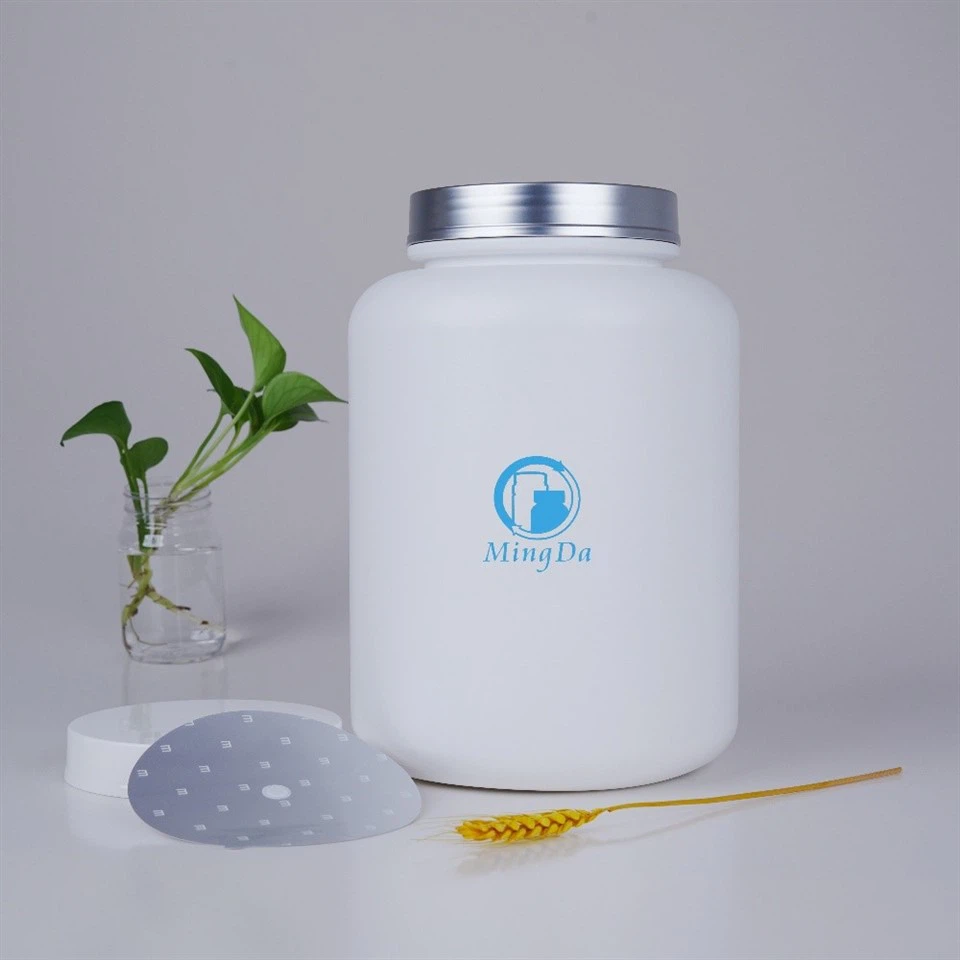
(2) In practice, HDPE bottles are often paired with aluminum foil liners (pressure-sensitive or heat-sealable) to further enhance sealing. Aluminum foil can:
Block air from entering
Prevent product evaporation
Reduce moisture absorption
Extend shelf life
(3) The combination of HDPE bottle and aluminum foil liner has become an industry standard in food, pharmaceutical, and chemical liquid packaging.
1.4 Excellent Heat and Cold Resistance
(1) HDPE bottles perform well under varying temperatures.
High-temperature resistance:
(1) They can generally withstand 60–90°C for short periods, suitable for hot water immersion or hot-fill processes, depending on bottle wall thickness, material grade, and blow-molding process.
Low-temperature resistance:
(1) HDPE remains flexible down to -10°C without cracking, making it reliable for cold-chain transport or storage in harsh winter environments.
(2) These properties make HDPE bottles suitable for:
Seasonal transport of personal care products
Cold-chain packaging
Outdoor or garage storage
Markets with large temperature fluctuations, e.g., Canada, Northern Europe, Northeast China
1.5 Lightweight yet Strong, Cost-Effective
(1) HDPE has a low density but sufficient strength, resulting in lightweight bottles with good load-bearing capacity. Benefits include:
Reduced shipping costs
Increased container load capacity
Reduced material consumption
Easier handling for consumers
(2) Compared with glass or metal containers, HDPE provides a cost-effective balance of weight and durability.
1.6 Flexible Manufacturing and Design Options
(1) HDPE works well with blow molding and injection molding, allowing for a variety of bottle shapes and structures:
Round, square, flat, or shoulder-shaped bottles
Large-capacity containers with handles
Matte, glossy, colored, or frosted finishes
(2) Surface treatments like silk screen printing, UV coating, electroplating, sandblasting, or spraying further enhance visual appeal and branding.
1.7 High Safety for Food Contact
(1) HDPE is widely recognized as safe for food contact. Its low water absorption and chemical stability make it ideal for:
Food powders
Nutritional supplements
Candies, nuts, and dry foods
Food additives
(2) HDPE is also commonly used in pharmaceuticals and dietary supplements.
1.8 Recyclable and Environmentally Friendly
(1) HDPE is among the easiest plastics to recycle (recycling code #2), with widespread processing capabilities. Recycled HDPE (rHDPE) can be reused for:
Industrial pallets
Pipes and tubes
Recycled containers
Plastic lumber
Outdoor structures
(2) For companies pursuing ESG goals, HDPE is a highly sustainable option.


2. Applications of HDPE Bottles
HDPE bottles are suitable for a wide range of liquids, solids, and semi-solids in household and industrial contexts.
2.1 Detergent Bottles
(1) Household detergents, dishwashing liquids, and laundry liquids often contain surfactants that can be corrosive. HDPE bottles are ideal because:
Strong chemical resistance: Won't degrade from surfactants
Good flexibility: Easy to squeeze without deformation
Transport reliability: More resistant to impact than PET
Compatible with various caps: Flip-top, tamper-evident, handle caps
(2) As a result, most leading cleaning brands rely heavily on HDPE bottles.
2.2 Industrial Liquid Packaging
(1) Industrial liquids often have higher chemical aggressiveness and require robust packaging, including:
Lubricants and motor oils
Metalworking fluids
Agrochemicals
Industrial cleaners
Antifreeze and automotive care liquids
(2) HDPE bottles are widely used in industry due to:
Low-temperature stability (-10°C)
High strength and damage resistance
Customizable large capacities (1L–7L)
(3) Combined with aluminum foil liners and reinforced caps, HDPE bottles minimize leakage risks for industrial chemicals.
2.3 Personal Care and Cosmetics
(1) HDPE bottles are commonly used in:
Shampoos and body washes
Lotions and creams
Disinfectants and hospital cleaning liquids
Baby and pet care products
(2) Advantages include:
Lightweight and drop-resistant for home or travel
High moldability for brand-specific bottle shapes
Compatible with multiple closure types such as pumps and spray heads
(3) Their low breakage rate also reduces returns and customer complaints in e-commerce.
3. Comparison with Other Materials
3.1 HDPE vs. PET
| Feature | HDPE | PET |
|---|---|---|
| Transparency | Usually opaque or semi-transparent | High transparency, showcases contents |
| Impact Resistance | Strong, less likely to crack | Brittle, prone to cracking on heavy impact |
| Chemical Resistance | Excellent | Moderate, weaker against some acids/bases |
| Temperature Range | Short-term 60–90°C, -10°C without cracking | Not heat resistant, brittle in cold |
| Weight | Slightly lighter | Slightly heavier |
| Suitable Products | Cleaning agents, industrial liquids, supplements | Beverages, clear display products |
Summary: Use PET for transparency; HDPE for durability and chemical resistance.
3.2 HDPE vs. Glass / Metal
| Feature | HDPE | Glass | Metal (Iron/Aluminum) |
|---|---|---|---|
| Weight | Light | Heavy | Medium-Heavy |
| Safety | Shatter-resistant | Fragile | Shatter-resistant |
| Cost | Low | High | High |
| Manufacturing Flexibility | High | Medium | Medium |
| Chemical Resistance | Good | Good | Some metals may corrode |
| Transport Cost | Low | High | Medium-High |
Glass is ideal for premium display packaging, metal for aerosols, and HDPE for general-purpose, cost-effective use.
3.3 Recyclability Comparison
(1) HDPE is highly recyclable (#2 code) and widely accepted.
(2) PET is also recyclable but requires cleaning and sorting.
(3) Glass is recyclable but heavy and energy-intensive to transport.
(4) Metal has high recycling value but depends on advanced recycling systems.
HDPE strikes the best balance between sustainability and cost-efficiency.


4. Professional Tips for Choosing HDPE Bottles
When sourcing HDPE bottles, consider the following factors to ensure product quality, safety, shelf-life, and regulatory compliance.
4.1 Material Certification
(1) Suppliers should provide certifications or test reports, such as:
Food contact compliance (FDA or equivalent)
ISO certifications (ISO9001, ISO14001, ISO22000)
Third-party material safety tests (migration, heavy metals)
(2) These are critical for product safety and international trade.
4.2 Wall Thickness and Structural Design
(1) Uneven walls or thin bases can lead to:
Deformation during transport
Collapse under hot-fill
Failed drop tests
Volume inconsistencies
(2) Check for:
Reinforced shoulders and bases
Structural ribs for extra strength
Even wall thickness (requires professional blow molding)
Proper thread fit with caps
Compatibility with aluminum foil liners
(3) For industrial or large-volume containers, thicker walls and reinforced structures are recommended.
4.3 Compliance with Standards
(1) Different countries and industries have varying regulations:
Food-grade standards (EU/US food contact regulations)
Hazardous materials packaging (UN certification)
Environmental regulations (RoHS, REACH)
Transport safety standards (drop tests, sealing tests)
(2) Ensure bottles meet destination market regulations to avoid compliance issues.
This structured guide provides a complete overview of HDPE bottles' benefits, applications, comparisons with other materials, and professional purchasing tips, ready for company websites, blogs, or international trade platforms.
HDPE plastic bottles stand out for their combination of toughness, chemical stability, heat and cold resistance, cost-effectiveness, and recyclability. They are suitable for a variety of applications, including detergents, industrial liquids, personal care products, and food supplements. Compared with PET, glass, or metal containers, HDPE provides a balanced solution that meets durability, safety, and environmental considerations.
When selecting HDPE bottles, it is important to verify material certifications, wall thickness, structural design, and compliance with local and international standards. Choosing the right HDPE packaging ensures product quality, enhances brand reliability, and supports sustainable practices. Whether for household, commercial, or industrial use, HDPE bottles remain a practical and high-performing choice for modern packaging needs.