



A Practical Guide to Choosing Reliable Protein Powder Packaging
After spending years reviewing supplement packaging solutions, I've learned one hard truth: protein powder packaging fails far more often than the formula itself. Brands invest heavily in ingredients, flavor systems, and marketing, but overlook how packaging affects shelf life, safety, and customer trust.
In this guide, I focus specifically on HDPE containers for protein powder packaging. I explain why HDPE dominates this category, identify five real manufacturers used in the industry, and share exactly what buyers should evaluate before placing an order.
This article aims to help readers learn, compare, and make informed purchasing decisions, not just skim surface-level advice.
Why HDPE Containers Are in High Demand for Protein Powder Packaging
HDPE containers remain the standard choice for protein powder packaging because they solve real, long-term problems that other plastics often create.
-
Corrosion Resistance and Product Stability
Protein powder rarely contains just protein. Most formulas include amino acids, minerals, sweeteners, and flavor compounds. Over time, these ingredients can interact with unstable plastics, leading to odor transfer, clumping, or moisture absorption.
HDPE resists chemical interaction and has a naturally low moisture transmission rate. I consistently see better powder flow, fewer customer complaints, and longer shelf stability when brands use properly sourced HDPE containers.
For products with 18–24 month shelf lives or long international shipping routes, this stability matters.


-
Safety Standards and Regulatory Acceptance
Protein powder packaging counts as food-contact packaging. That means safety compliance is non-negotiable.
HDPE does not require plasticizers and remains stable under normal storage conditions. Regulatory agencies widely accept it for food and supplement use, including in the U.S. market.
That said, I never treat "HDPE" as a guarantee. I look for documented material control, consistent testing, and traceable production, not just a material label.


Top 5 HDPE Container Manufacturers for Protein Powder Packaging
Below are five real manufacturers with proven presence in the protein powder and supplement packaging space. Each serves a different type of buyer.
1. Berry Global (USA)
Berry Global ranks among the largest plastic packaging manufacturers worldwide and supplies many established supplement brands.
Why buyers choose Berry Global:
- Highly consistent HDPE container quality
- Standardized molds optimized for automated filling
- Strong regulatory infrastructure
Berry Global works best for high-volume brands that prioritize uniformity and long-term supply stability over customization.
2. Alpha Packaging (USA)
Alpha Packaging focuses heavily on nutrition and supplement packaging, including HDPE containers designed specifically for protein powder.
Key strengths:
- Wide-mouth HDPE jars commonly used for protein powder
- Deep understanding of supplement packaging requirements
- Reliable domestic supply in North America
I often see Alpha Packaging selected by brands that want proven designs without long development cycles.
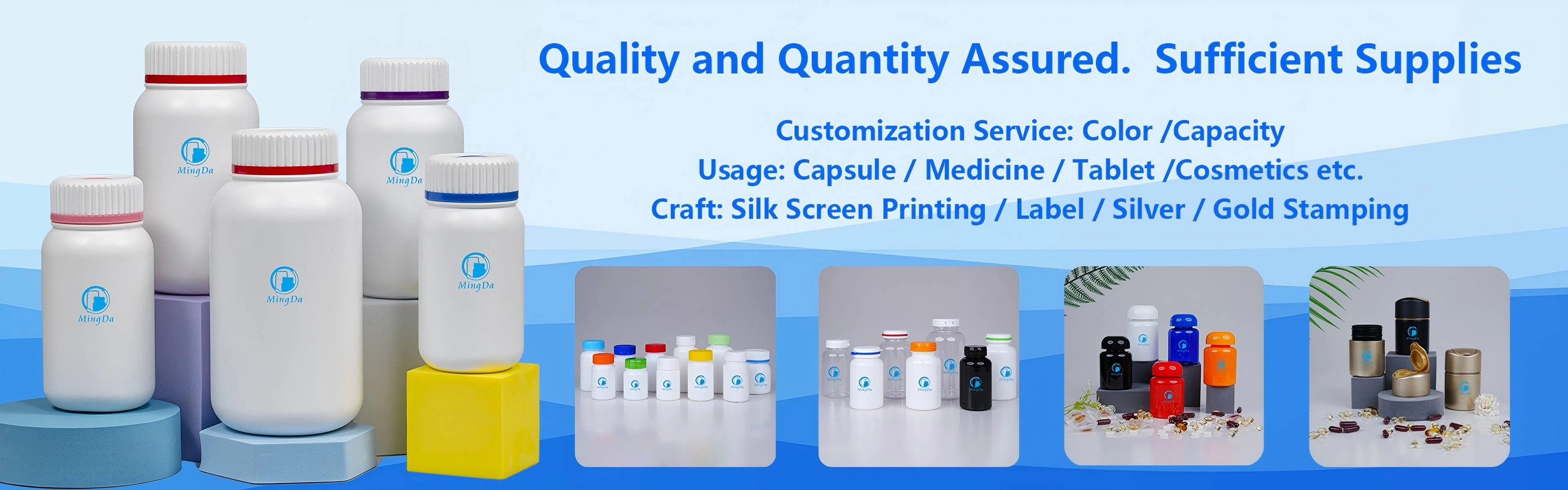
3. Hubei Mingda Plastics Products Co., Ltd. (China)
Mingda stands out as a specialized manufacturer with strong experience in HDPE protein powder packaging for export markets.
What makes Mingda notable from my perspective:
- Consistent HDPE material sourcing suitable for long-term powder storage
- In-house testing covering sealing, torque, drop resistance, and temperature stability
- OEM customization for capacity, color, container shape, and cap systems
- Large-scale production capacity with controlled lead times
- Extensive export experience supporting international compliance needs
For buyers balancing cost efficiency, quality control, and customization, Mingda offers a practical solution without sacrificing reliability.


4. Graham Packaging (USA)
Graham Packaging brings strong technical expertise in HDPE molding and structural performance.
Why brands work with Graham:
- High container strength and impact resistance
- Reliable compatibility with automated filling equipment
- Focus on transportation durability
This manufacturer suits brands that prioritize logistics safety and high-speed production environments.
5. Pretium Packaging (USA)
Pretium Packaging provides flexible HDPE packaging solutions for dry goods, including protein powder.
Key advantages:
- Broad container size range
- Moderate customization capability
- Good fit for growing supplement brands
Pretium often appeals to companies scaling production while maintaining cost control.
What I Look for When Choosing a Protein Powder Packaging Supplier
This section reflects what actually matters during procurement-not marketing claims.
1. Verifiable Food-Grade Material Certification
I always confirm more than a certificate headline. I check:
- Raw material sourcing consistency
- Batch traceability
- Whether suppliers perform material verification testing
Reliable protein powder packaging starts at the raw material level.

2. Real Sealing and Structural Testing
Most packaging failures happen during transport or storage. I focus on whether suppliers conduct:
- Seal integrity testing
- Torque testing
- Drop testing under filled conditions
If a supplier cannot explain their testing process clearly, I treat that as a warning sign.


3. Production Capacity That Matches Sales Cycles
Protein powder demand fluctuates due to promotions and seasonal spikes. I evaluate:
- Number of active production lines
- Mold availability
- Peak-season lead time performance
Stable supply protects launch schedules and inventory planning.
4. Understanding of Protein Powder Use, Not Just Containers
Suppliers who truly understand protein powder packaging consider:
- Scoop access and headspace
- Opening diameter for repeated use
- Consumer handling behavior
These details directly influence customer satisfaction and repeat purchases.
Final Thoughts
HDPE containers dominate protein powder packaging for a reason. They deliver stability, safety, and practicality when sourced and produced correctly.
I view packaging supplier selection as a long-term decision, not a transactional purchase. Brands that invest time in understanding materials, testing standards, and supplier capability tend to avoid costly mistakes later.
If you approach protein powder packaging with this mindset, your decisions become clearer-and far more defensible.