

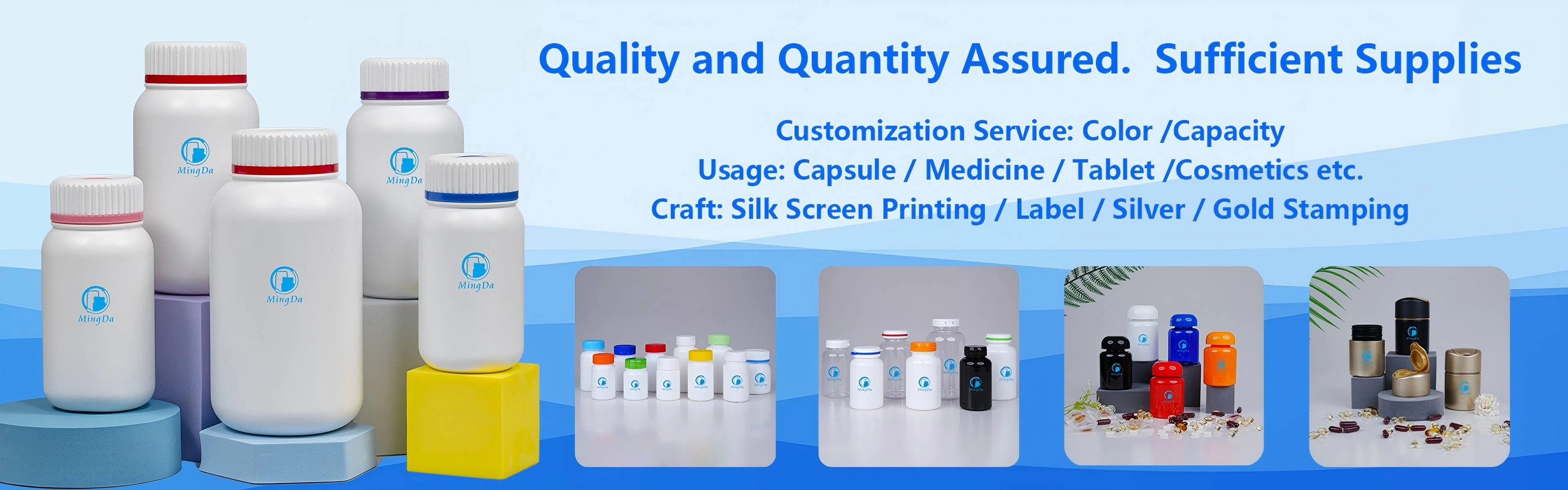


The process involves melting plastic resin, injecting it into a high-precision mold, and cooling it to form the final cap.
Why is this method preferred?
First, it ensures accuracy, especially for parts like child-resistant or tamper-evident caps where fit and function matter. Second, it supports mass production. A well-maintained mold can produce thousands of units per hour, making it cost-effective even for complex cap designs.

Injection molding also allows for design flexibility. Whether it's flip-top, double-layer, or security caps, this process delivers repeatable, reliable results. It's the reason most pharmaceutical and food-grade packaging uses this method.