

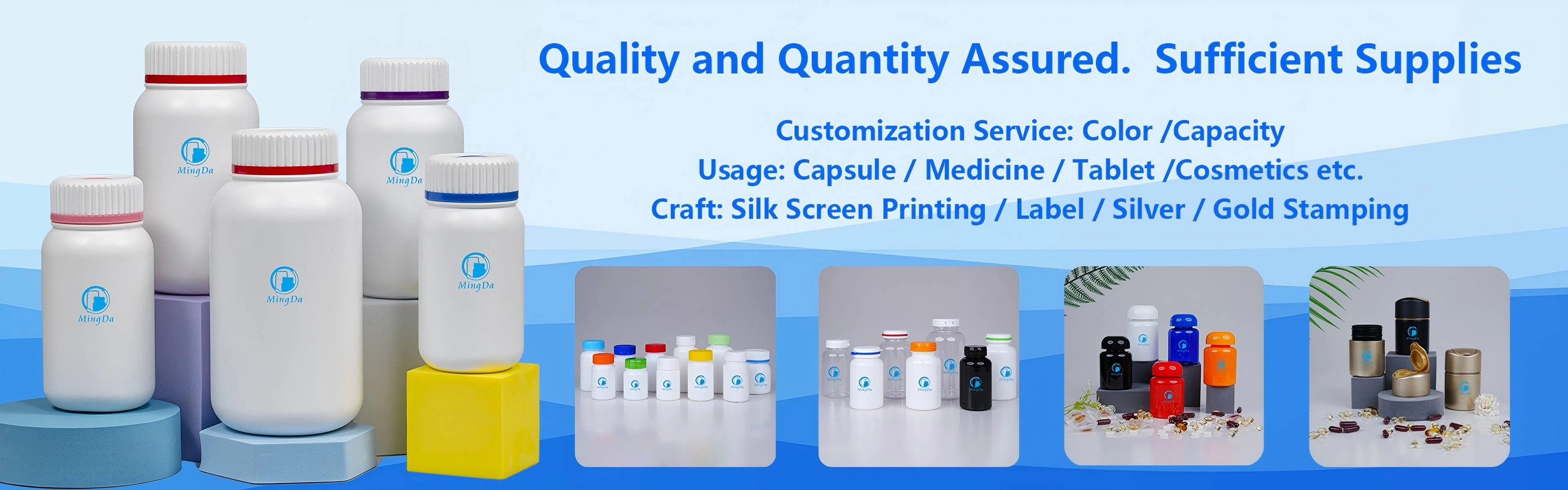

Most procurement issues with personalized plastic water bottles do not happen during sampling.
They happen after approval - when production starts, schedules are fixed, and there is no room to "adjust again."
That is usually the point where expectations and reality start to diverge.
1. The Sample Was Approved, But the First Mass Batch Already Feels Different
In many wholesale plastic bottles orders, the sample approval process is relatively smooth.
The bottle looks fine. The cap fits. The logo is aligned.
But when the first bulk production arrives, procurement teams often notice subtle differences:
- The bottle feels slightly softer under pressure
- Cap tightening requires different torque settings on the filling line
- Transparency under warehouse lighting is not identical to the sample
No single issue is critical on its own.
But on a running production line, even small differences slow everything down.
2. The Real Problem Starts When the Production Line Cannot Pause
In theory, plastic water bottles with logo are just packaging items.
In practice, they sit inside a full system:
- Filling machines calibrated for a specific neck finish
- Labeling machines aligned to fixed diameter references
- Cartons designed for exact stacking height
When a batch of bulk plastic bottles with caps is slightly off, the production line does not "adapt" - it stops, gets recalibrated, or runs inefficiently.
That downtime is usually not recorded in supplier discussions, but it is what procurement teams actually try to avoid.
3. MOQ Decisions Are Often Made Too Early, With Too Little Pressure
At the quotation stage of pet bottles wholesale, MOQ looks like a commercial term.
But internally, procurement is often already under pressure from:
- forecast uncertainty
- packaging readiness deadlines
- product launch schedules
So MOQ decisions are not really about negotiation.
They are about whether the buyer can accept risk earlier or later.
Lower MOQ reduces upfront exposure, but increases the chance that full-scale production reveals variation issues later.
Higher MOQ feels heavier initially, but forces more stable production calibration.
4. "Same Specification" Does Not Mean "Same Behavior"
Two suppliers can both claim 16 oz bottles wholesale.
But procurement teams often learn the hard way that:
- neck finish tolerance affects cap leakage rate
- wall thickness affects stacking stability during shipping
- resin batch differences affect long-term appearance consistency
None of these are visible in sample inspection.
They only show up when thousands of units are moving through logistics and filling systems at speed.


5. Supplier Location Rarely Solves the Real Problem
There is often a preference for plastic bottle manufacturers near me during urgent sourcing.
But urgency rarely correlates with stability.
What actually matters is whether the supplier has:
- controlled production scheduling
- stable mold maintenance
- repeatable batch output
A nearby supplier without process control still creates delays - just earlier in the timeline.
6. Branding Issues Usually Appear After Shipping, Not Production
With plastic water bottles with logo, most quality checks focus on production.
But real complaints often come later:
- logo fading after friction in cartons
- color inconsistency between reorder batches
- slight misalignment under retail lighting
At that stage, the issue is no longer manufacturing - it becomes brand perception in the market.
Final Reality in Procurement
Most packaging failures are not caused by bad suppliers.
They are caused by:
- small tolerances that accumulate
- production differences that were ignored at sample stage
- assumptions that scaling will behave like sampling
That is why experienced buyers do not only evaluate a plastic bottle company based on samples.
They evaluate whether the supplier can behave the same way when production is no longer a test - but a commitment.