

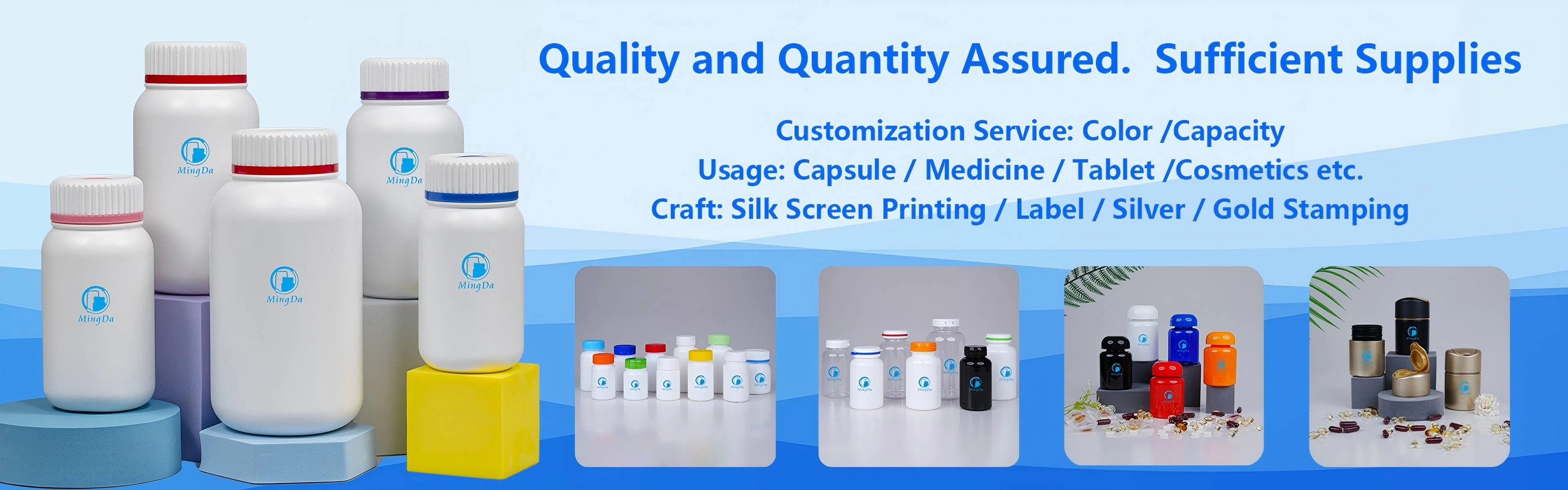



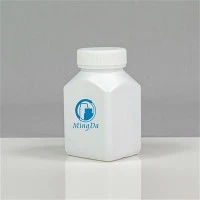
Ever opened a new bottle of vitamins only to find it's half empty? You're not alone. Many consumers wonder if they've been shortchanged when they see so much space inside. But there's actually a good reason for it - one rooted in manufacturing standards, product protection, and packaging design.
Why Are Vitamin Bottles Only Half Full?
It's easy to assume the company is saving money by giving you less product, but the truth is more practical. Most vitamin bottles - whether made from HDPE plastic or PET plastic - are intentionally filled to only about half or two-thirds of their total capacity. Let's break down why that's the case.
1. Product Protection and Settling
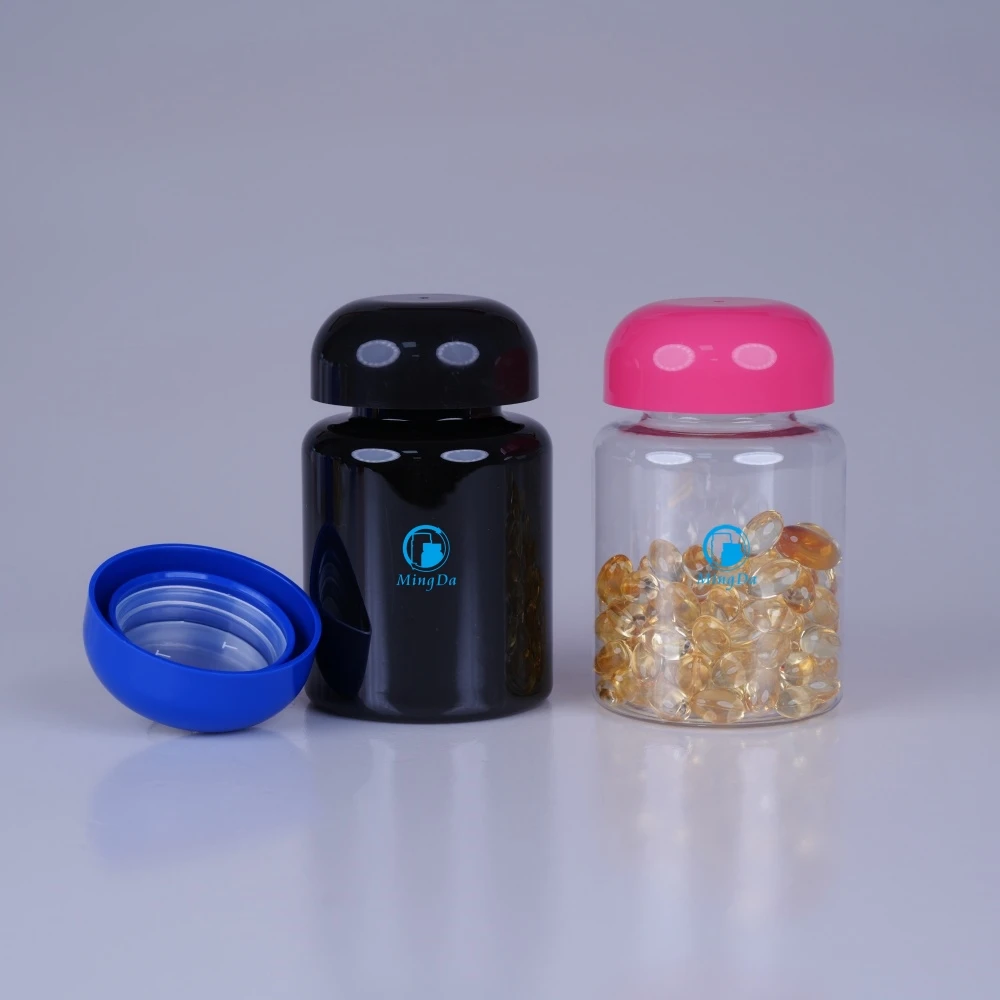
During transport, vitamins and capsules move around. If bottles were filled to the brim, pills could get crushed or broken. The extra air space acts as a buffer zone, protecting the contents from vibration and impact during shipping.
Over time, capsules and tablets can also settle - especially softgels - creating the illusion that the bottle was underfilled when it was actually full at the time of packaging.
2. Airflow and Moisture Control
Most vitamin bottles are sealed with induction foil liners or pressure-sensitive liners to maintain freshness. The space left inside helps manage air pressure and temperature changes during storage. Without that space, humidity and expansion could break the seal or cause deformation.
Some brands even add a cotton wad or desiccant pack to absorb moisture. These features work best when there's a bit of air volume inside the container.
3. Standardized Bottle Sizes and Automation
Factories like Hubei Mingda Plastics Products Co., Ltd., which produce HDPE and PET containers for supplements, typically rely on standardized mold sizes for efficient production and global compatibility.
Instead of customizing a new mold for every vitamin count, brands choose from a set range of existing bottles - sometimes larger than needed. This keeps costs lower and ensures smooth labeling, sealing, and capping during high-speed automation.
4. Visual Consistency on Shelves
From a branding perspective, packaging also matters. Larger bottles help vitamins stand out on store shelves, giving a sense of value and visibility. A smaller bottle might look cheaper or get lost among competing products.
Retailers and brands both benefit from packaging that maintains a consistent size across a product line - even if some variants contain fewer capsules than others.


Final Thoughts
Your vitamin brand isn't trying to trick you. That extra space inside the bottle serves multiple important functions: product safety, manufacturing efficiency, and shelf appeal.
Next time you open a "half-full" bottle, remember that every bit of that design is there to protect your supplements and keep them fresh until the very last pill.