

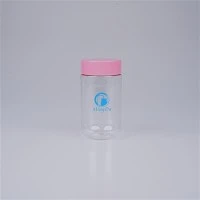
The Color of a Medication Bottle Is a Packaging Decision, Not Just a Design Choice
If you have ever received prescription medicine from a pharmacy or purchased vitamin supplements, you may have noticed that many bottles are orange, amber, or dark-colored.
At first glance, this looks like a simple industry tradition. Most consumers do not think much about the bottle color because the focus is usually on the product inside.
I used to think the same way.
I assumed orange medication bottles existed mainly because pharmacies had used them for decades and customers were already familiar with this appearance.
However, after working with more pharmaceutical and supplement packaging projects, I realized that the color of a bottle is actually part of the product protection strategy.
For many medicines, vitamins, and nutritional supplements, packaging needs to do more than hold the product. It needs to help maintain product stability throughout storage, transportation, and daily use.
This is why amber HDPE bottles remain one of the most common choices in pharmaceutical packaging.
The real question for buyers is not:
"Why are medication bottles orange?"
The more important question is:
"When does an amber bottle provide real value for my product?"


Amber Color Protects Products from Light Exposure
Many people think the orange color is simply a traditional appearance used by pharmacies.
The reality is that amber color serves a functional purpose.
Some pharmaceutical ingredients and supplement formulas are sensitive to light. Exposure to ultraviolet (UV) rays or strong visible light may accelerate product degradation and affect stability over time.
Amber plastic helps reduce the amount of light reaching the contents inside the bottle.
This is especially important for products such as:
Vitamin supplements;
Herbal extracts;
Certain pharmaceutical tablets;
Nutritional products containing light-sensitive ingredients.
From a packaging perspective, the bottle is part of the protection system.
The formula inside may have been carefully developed, but without suitable packaging, the product may face unnecessary risks during its shelf life.
I Once Thought Transparent Bottles Were Better, But Packaging Priorities Are Different
When developing consumer products, appearance matters.
A clear bottle allows customers to see the product inside. It can create a clean, modern, and premium feeling. This is one reason why transparent PET bottles are widely used in beverages, cosmetics, and some food applications.
I also believed that transparent packaging could create stronger customer appeal.
But after seeing more pharmaceutical and supplement projects, I found that packaging decisions follow a different logic.
For healthcare products, the first priority is not visual presentation.
It is product protection.
A transparent bottle may look attractive on a shelf, but if the product requires stronger light protection, appearance should not become the deciding factor.
In pharmaceutical packaging, the typical decision process is:
Product stability first.
Packaging performance second.
Brand appearance third.
This is why many brands choose HDPE pharmaceutical bottles with amber coloring even when clear packaging looks more attractive.
Why Are Amber HDPE Bottles Commonly Used for Pharmaceutical Packaging?
Amber bottles can be produced using different plastic materials, but HDPE bottles are especially popular in the pharmaceutical and supplement industries.
The reason is not only the color.
HDPE provides a balanced combination of properties that many healthcare products require:
Good impact resistance;
Strong moisture protection;
Chemical compatibility;
Lightweight transportation advantages;
Stable large-scale production performance.
For tablets, capsules, and powdered supplements, HDPE packaging offers reliable protection during long storage periods.
A typical pharmaceutical bottle system may include:
Amber HDPE bottle;
Child resistant cap;
Induction foil seal;
Desiccant or cotton filler.
Each component contributes to the overall packaging performance.
The bottle protects the product from external conditions.
The closure helps maintain sealing performance.
The liner provides additional protection against moisture and contamination.
A good pharmaceutical package is not created by one component alone. It is the result of the entire system working together.
Not Every Product Needs an Amber Bottle
One common mistake I see during packaging discussions is assuming that darker bottles are always better.
This is not always true.
Amber bottles provide advantages when products require additional light protection. However, not every product has the same requirements.
For example, some products may choose clear bottles because:
The formula is stable under normal light conditions;
The brand wants customers to see the product;
Visual inspection is important;
The product does not require additional UV protection.
The correct packaging choice depends on the product itself.
When selecting a bottle, buyers should consider:
What ingredients are inside?
How sensitive is the formula to light?
What is the expected shelf life?
Where will the product be sold?
How will consumers store and use it?
A good supplier should help evaluate these factors instead of simply recommending the most common bottle option.

A Real Packaging Decision: Appearance vs Product Protection
In one packaging discussion, a customer initially preferred a clear bottle because they wanted consumers to see the product inside.
From a marketing perspective, this idea made sense.
However, after reviewing the product category and storage requirements, we discussed another option: an amber HDPE bottle.
The reason was simple.
The product needed better protection from light exposure during transportation and storage.
The customer eventually chose the amber bottle because reducing potential quality risks was more important than the visual advantage of transparency.
This is a common situation in packaging selection.
Many buyers start with appearance.
Experienced buyers usually start with product requirements.
Choosing amber bottles involves more than confirming the color.
For long-term supply, I recommend evaluating several factors.
Color Consistency
A sample bottle may look perfect, but large-volume production requires stable color control.
For brands with strict visual standards, even small differences between production batches can affect packaging consistency.
Buyers should confirm whether suppliers have proper color management during production.

Material Quality
The same bottle shape can perform differently depending on raw material quality.
For pharmaceutical applications, buyers should understand:
What type of resin is used?
Does the material meet the required standards?
Can the supplier provide relevant documentation?
Material quality directly affects bottle strength, appearance, and long-term stability.
Bottle Design and Closure Compatibility
A bottle does not work alone.
The cap, liner, and sealing method must match the bottle design.
Before mass production, buyers should confirm:
Bottle neck size;
Cap compatibility;
Sealing requirements;
Filling equipment compatibility.
A small mismatch can create problems during production.
Supplier Manufacturing Capability
For pharmaceutical packaging, consistency matters more than a single perfect sample.
A supplier needs to maintain the same:
Bottle dimensions;
Color;
Weight;
Sealing performance;
across thousands or millions of units.
This is why production capability and quality control are important factors when choosing an HDPE packaging supplier.
The Future of Amber Pharmaceutical Packaging
The pharmaceutical packaging industry continues to balance several priorities:
Product protection.
Cost control.
Sustainability.
Consumer convenience.
In the future, I expect more brands to focus on improving packaging efficiency while maintaining safety.
This may include:
Lightweight HDPE bottle designs;
More recyclable packaging solutions;
Better label materials;
Improved manufacturing consistency.
However, one principle will not change:
The primary purpose of pharmaceutical packaging is to protect the product.
Sustainability and appearance are important, but they should support product safety rather than replace it.
Final Thoughts
Why are medication bottles usually orange or amber?
Because the color provides a practical protection function, especially for products that may be affected by light exposure.
For buyers selecting amber HDPE bottles, pharmaceutical bottles, or supplement bottles, the right choice should not depend only on appearance.
A better decision considers:
Product characteristics;
Light sensitivity;
Storage conditions;
Market requirements;
Supplier capability.
A medication bottle is not just a container.
It is part of the system that protects product quality from manufacturing to the hands of the final consumer.
That is why choosing the right pharmaceutical packaging solution requires more than selecting a color. It requires understanding how materials, design, and manufacturing quality work together.