


1. Why I Focus on HDPE Bottles
When I first began exploring packaging options for food and supplements, I quickly noticed that HDPE bottles are prevalent throughout the market. Their balance of durability, safety, and flexibility caught my attention. Choosing the right container is crucial not only for product safety but also for maintaining a strong brand reputation. HDPE stands out because it consistently delivers reliability in real-world applications.



2. What HDPE Actually Is
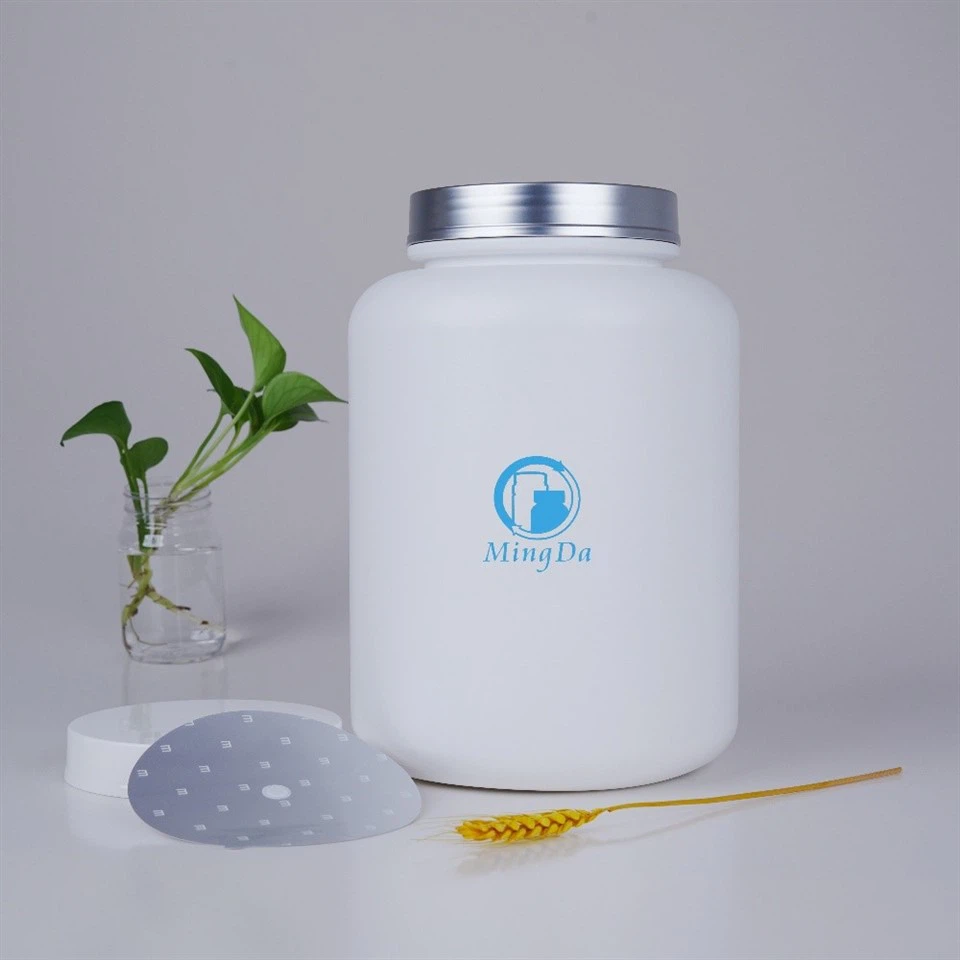
HDPE stands for High-Density Polyethylene. I like to think of it as a lightweight, yet strong plastic that resists impacts, chemicals, and moisture. Unlike some plastics that can warp or leach chemicals, HDPE maintains its shape and integrity under a wide range of conditions. Its food-grade versions ensure that nothing harmful migrates into the product.
3. Why HDPE Works So Well for Food Products
I have noticed that HDPE bottles excel in food packaging because they:
- Offer food-grade safety – I trust that capsules, powders, and liquid supplements remain uncontaminated.
- Block moisture and air – They keep powders dry and liquids fresh.
- Resist temperature changes – From cold storage to shipping in heat, HDPE handles it well.
- Stay intact during transport – I rarely see HDPE bottles crack or warp during logistics.
- Fit multiple product types – I can use them for powders, liquids, and granules alike.
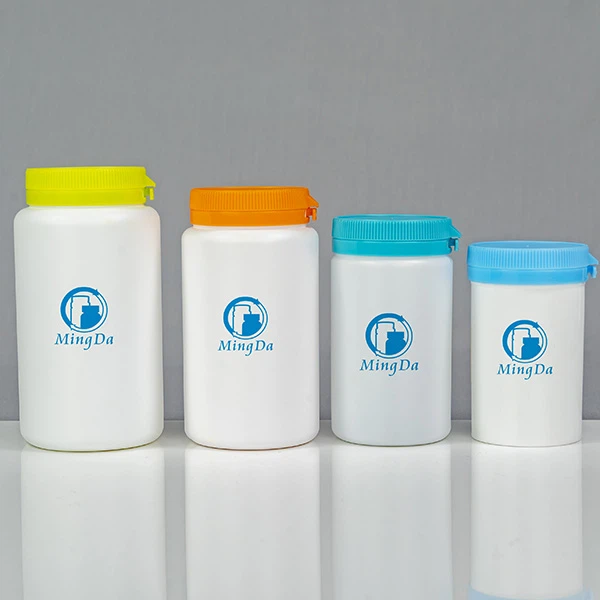
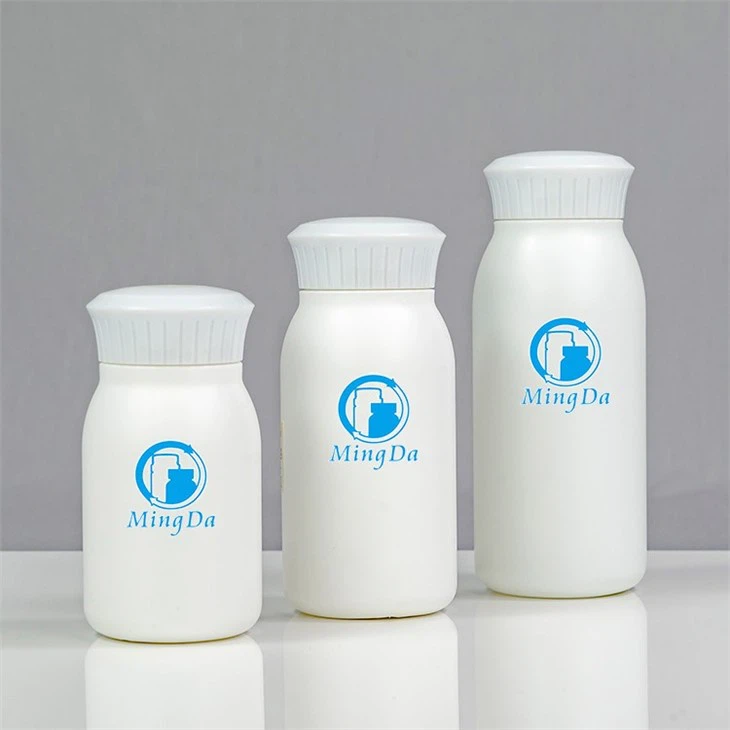
4. Why HDPE Fits Supplement Packaging
For supplements, I pay attention to several points:
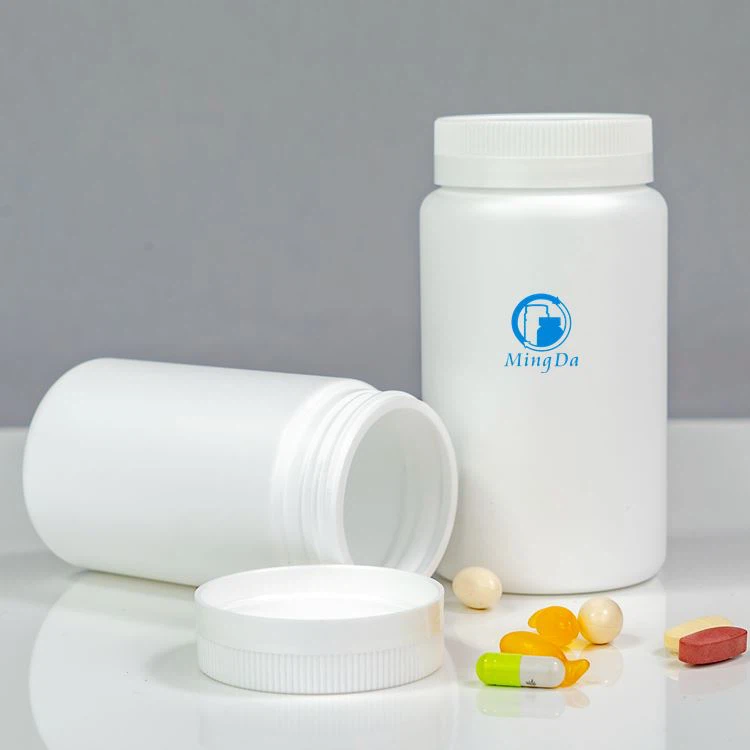
Capsules, tablets, softgels, and powders need dry and stable conditions.
HDPE does not react with contents, absorb chemicals, or allow contamination.
Tight sealing, combined with foil liners or pressure-sensitive seals, prolongs shelf life.
Lightweight design reduces shipping costs without compromising protection.
5. Durability and Shelf-Life Advantages
I often test HDPE bottles in real-life scenarios. I notice they:
Resist impact and rarely crack.
Handle temperature fluctuations without deforming.
Offer environmental stress-crack resistance, which reduces product loss.
Maintain contents' integrity over extended storage periods, which is vital for both food and supplements.


6. Practical Benefits for Brands
From my experience with suppliers and factories:
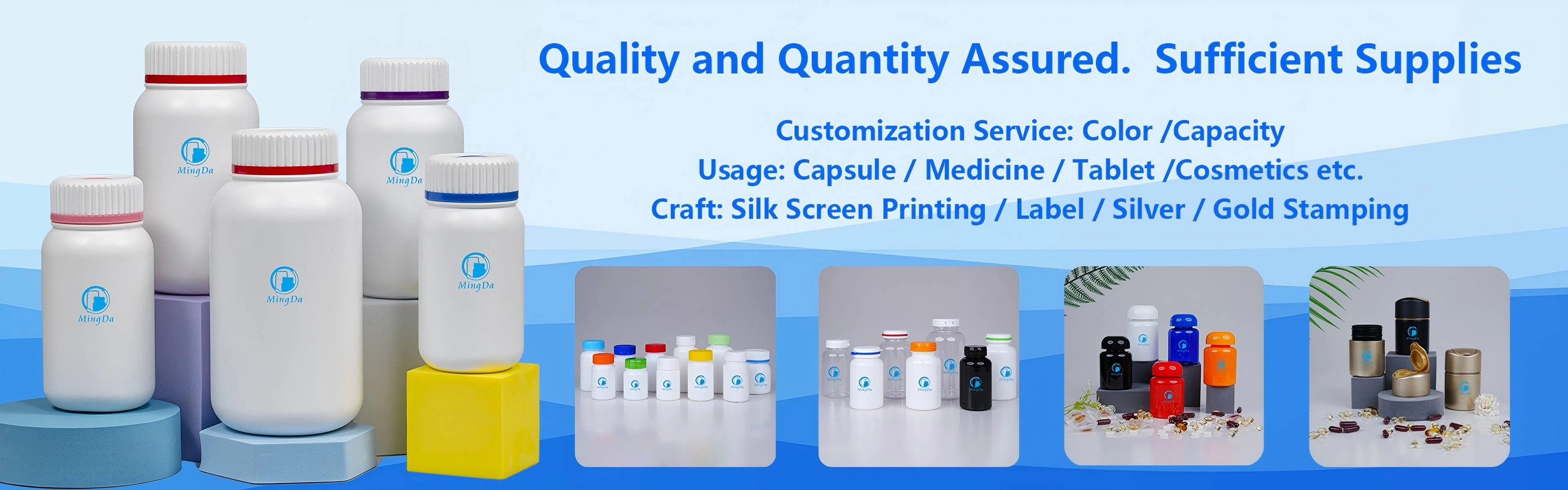
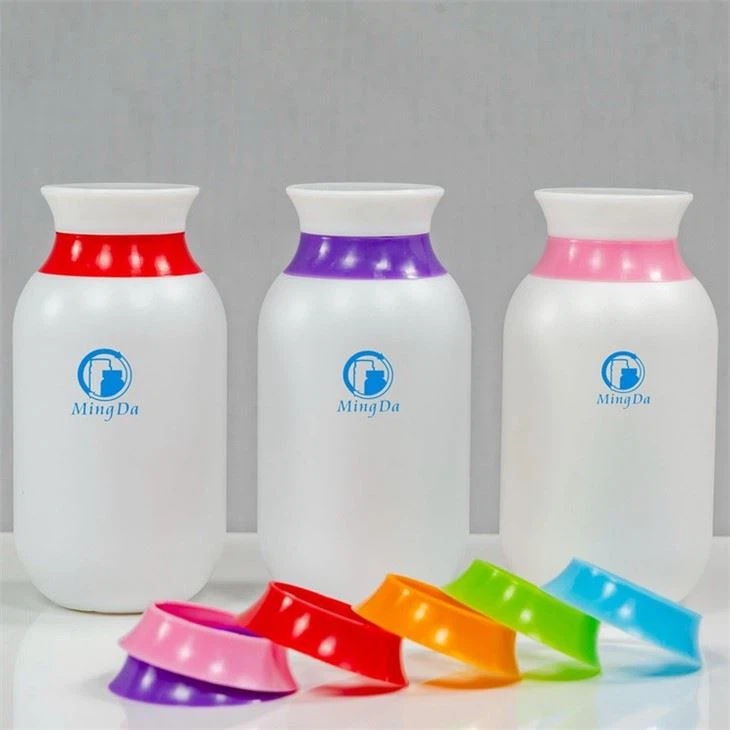
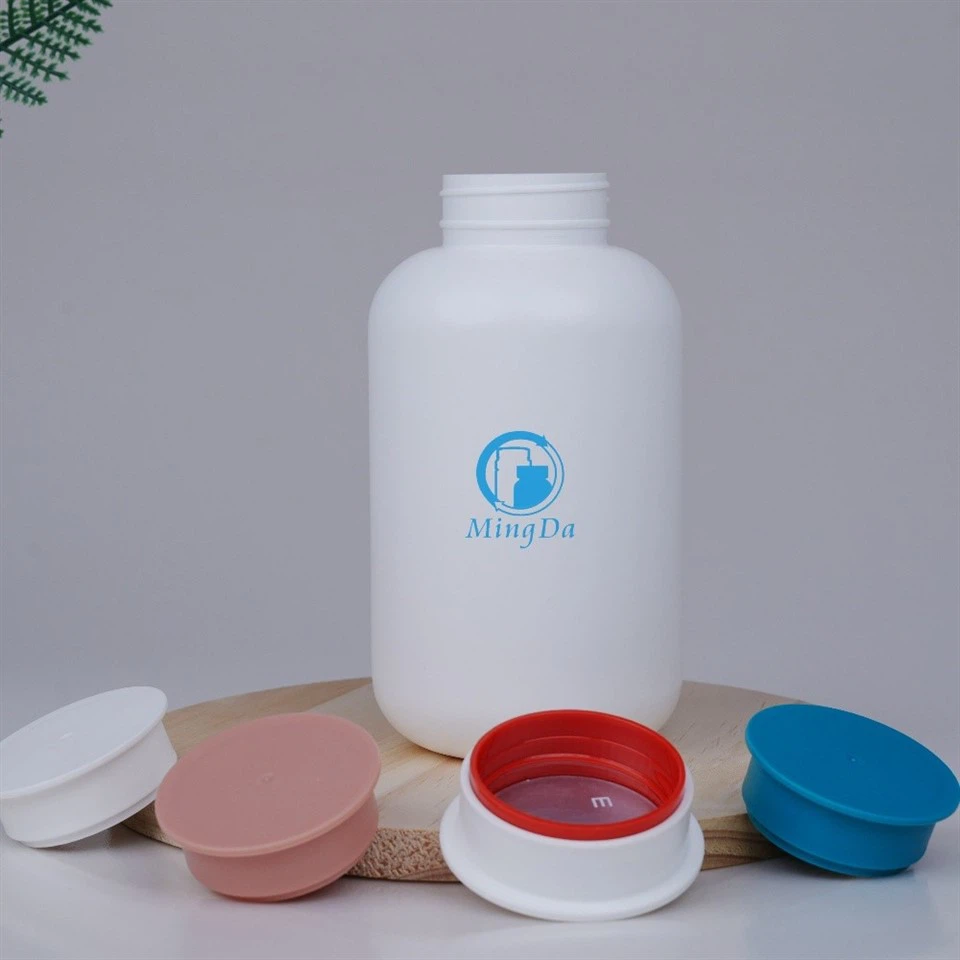
HDPE allows flexible molding into round, square, wide-mouth, or custom shapes.
Large-scale production maintains cost efficiency.
I can apply printing, coating, or labeling directly onto the surface.
The material withstands vibration and drops in transit.
Recyclable HDPE also aligns with sustainability standards, which appeals to eco-conscious customers.
7. How to Choose the Right HDPE Bottle
When I select HDPE bottles, I consider:
Bottle shape – Powder products often need wide-mouth bottles; capsules work well with standard openings.
Wall thickness – Thicker walls provide extra protection for fragile contents.
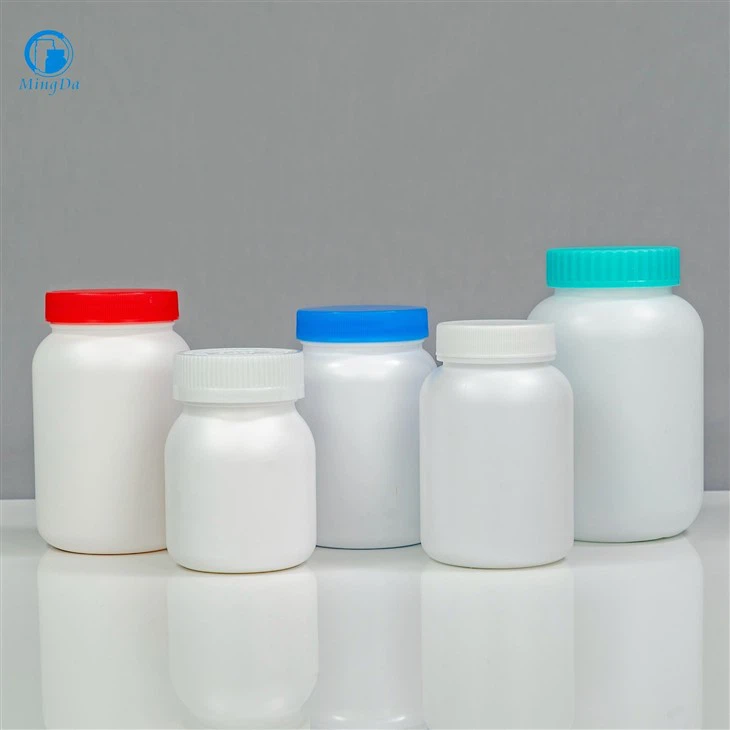
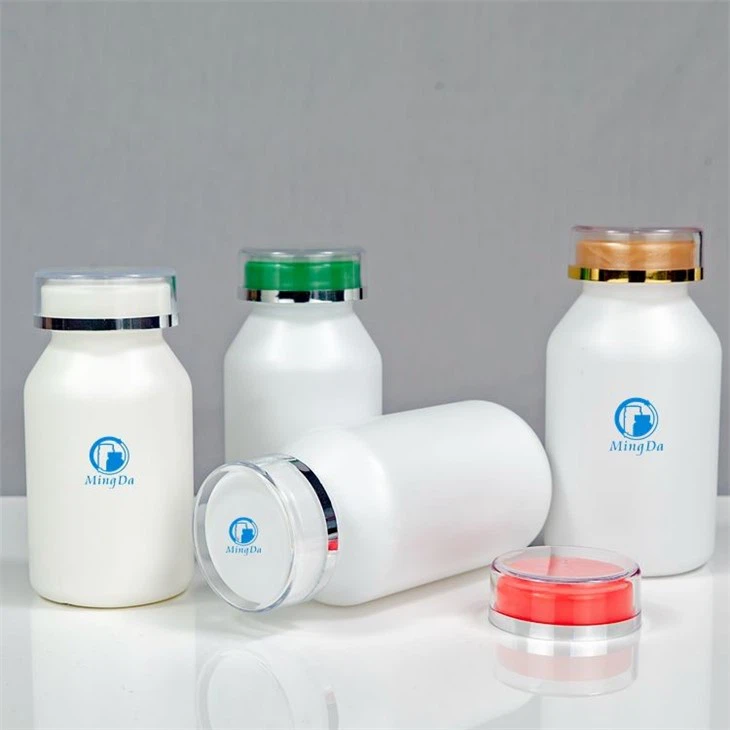
Closure type – Screw caps, child-resistant caps, or flip-tops, depending on the product.
Sealing needs – Pressure-sensitive liners, heat-seal foils, or standard seals, depending on storage and transport.

8. Common Misunderstandings About HDPE
I often hear misconceptions:
HDPE is "less premium." → In reality, it is one of the most stable and food-safe materials available.
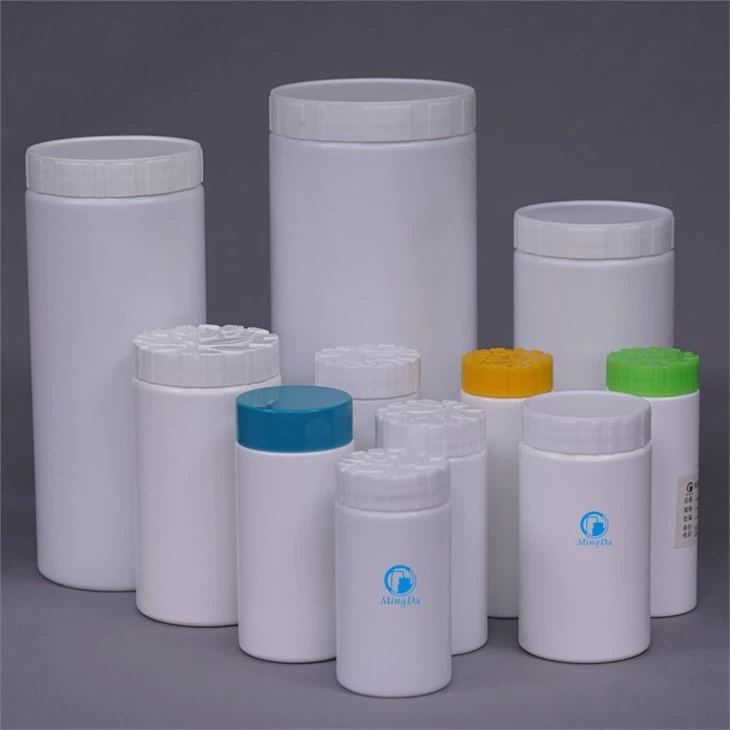
HDPE only comes in white → I can get colored HDPE bottles without affecting functionality.
HDPE has a chemical smell → Food-grade HDPE is odorless and safe for consumption.
9. Final Thoughts
From my experience, HDPE bottles remain a reliable choice for both food and supplement packaging. Their combination of safety, durability, versatility, and cost-efficiency makes them an easy recommendation for brands that value product protection and shelf life. When I select HDPE bottles, I always focus on the specific needs of the product, the sealing requirements, and the type of closure to maximize safety and usability.