


There's nothing more annoying than pulling a soaked laptop or phone out of your bag because your water bottle decided to leak. Whether you're hitting the gym, commuting to work, or traveling, a leak-proof bottle isn't a luxury-it's a necessity. But with so many options out there, how do you really know which one won't leak? Let's break it down in a practical, honest way.
To put it simply: the secret is in the design and material.
A truly leak-proof water bottle needs three things working together-a tight sealing cap, reliable materials, and precise manufacturing.
Cap and Seal Design
The most critical part of any bottle is its lid. A silicone or rubber gasket inside the cap creates an airtight seal. Some bottles use screw caps, while others rely on flip tops with double locking mechanisms. Both can work well-as long as the seal fits perfectly.
In our own production, bottles are tested under vacuum conditions (up to 27kPa) for 2 minutes to ensure not a single drop escapes. That's the kind of detail you should look for when evaluating quality.
Material Quality
PET and HDPE are two of the best materials for leak-proof bottles.
PET (Polyethylene Terephthalate) is lightweight, strong, and resistant to cracking. It's great for clear, portable bottles.
HDPE (High-Density Polyethylene) is more flexible and impact-resistant, ideal for sports or travel bottles where durability matters.
Both are food-grade and safe for daily use.
Manufacturing Precision
Even a well-designed lid can fail if the bottle's thread or neck isn't produced with precision. High-end manufacturers use injection molding and stretch-blow molding technologies to keep every thread aligned and consistent. That ensures the cap fits snugly-no cross-threading, no leaks.
Real-World Leak Tests
In professional factories, every batch goes through several rounds of leak and pressure testing:
Vacuum sealing test to ensure the bottle holds pressure.
Drop test from 1.2 meters (to simulate real-life use).
Torque test to check cap tightness.
Vibration test to simulate transport conditions.
These aren't just lab gimmicks-they're what separate a cheap leaky bottle from one that lasts years.
So, Which Bottle Should You Choose?
If you want a bottle that doesn't leak:
Go for PET or HDPE bottles with screw caps or double-layer safety lids.
Make sure the product mentions vacuum leak tests or sealing verification in its quality control description.
Avoid bottles with thin caps or single-layer flip lids, as they tend to wear out quickly.
Look for manufacturers that focus on food-grade materials, FDA or ISO certification, and testing transparency-that's where true leak-proof performance comes from.
A Practical Example
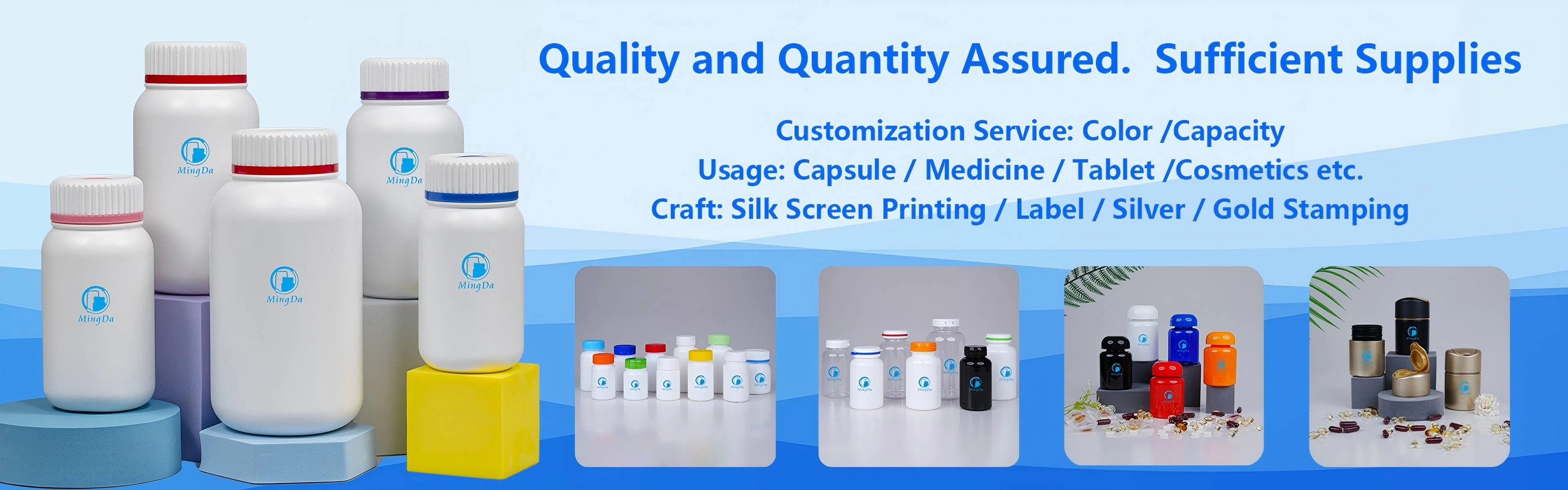
At Hubei Mingda Plastics Products Co., Ltd., we've specialized in PET and HDPE containers since 2006. Every product undergoes a strict sealing test, drop test, and torque test before shipping. With over 1,600 production and testing machines, we ensure every bottle that leaves the factory is secure, safe, and truly leak-proof.
If you're looking for reliable custom bottles that don't leak-whether for food, beverages, or supplements-feel free to contact us for details or samples.