

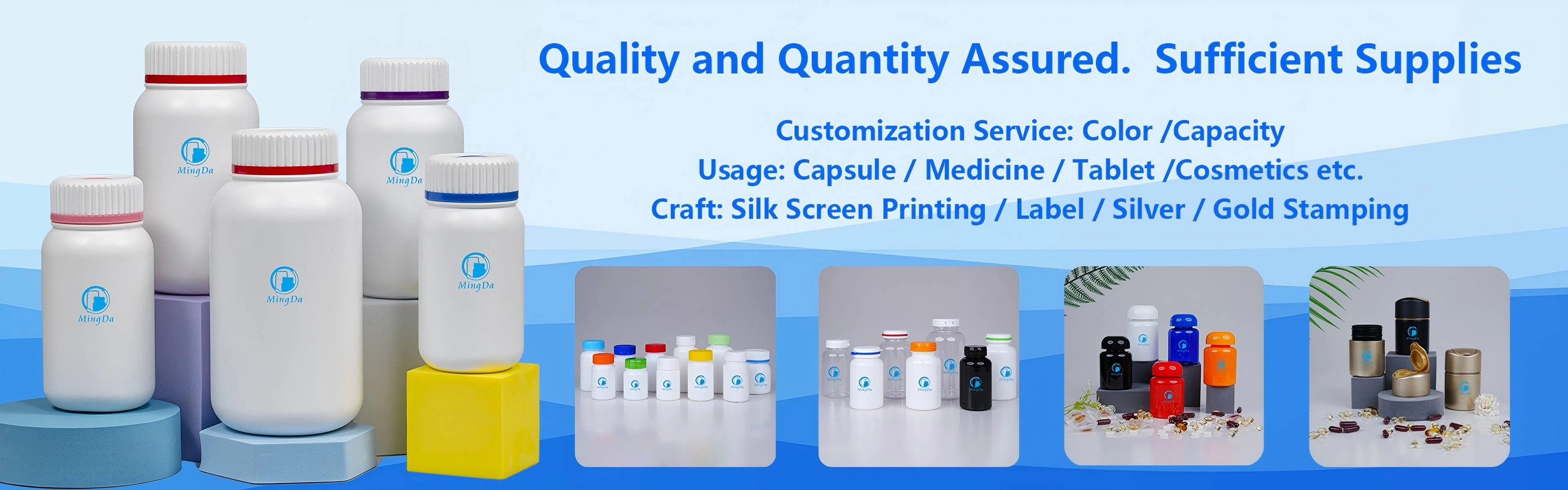
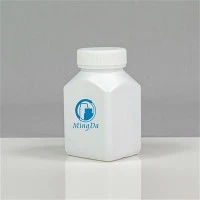
Plastic bottles are essential packaging materials in industries such as food, beverages, pharmaceuticals, and cosmetics. While they may look simple on the outside, the production process involves a series of specialized machines. In this article, we explain the key equipment used in plastic bottle manufacturing, giving you a clear understanding of how these containers are made at scale.
1. Injection Molding Machine (for Preforms and Caps)
Injection molding is typically the first step in PET bottle production. This machine melts plastic resin (usually PET or PP) and injects it into a steel mold to form the preform - a test-tube-shaped piece that will later be blown into the final bottle shape. For plastic caps, injection molding is also the standard process.
Common materials: PET for preforms, PP for caps
2. Stretch Blow Molding Machine (for PET Bottles)
This is the key equipment used to form the final shape of PET bottles. The preform is first heated and then stretched vertically and blown horizontally into a bottle mold. This two-step or one-step process ensures uniform wall thickness and a high-strength finish.
Types:
One-step: Injection + stretch-blow in a single machine
Two-step: Separate the preform making and blowing process
3. Extrusion Blow Molding Machine (for HDPE Bottles)
Unlike PET bottles, HDPE bottles (commonly used for household chemicals, medicine, and supplements) are made using extrusion blow molding. In this process, melted plastic is extruded into a tube (parison), then enclosed in a mold and blown into the desired shape.
Suitable materials: HDPE, LDPE, PP
4. Cap Assembly and Lining Machine
After the caps are molded, some require liners or inner seals for leak-proofing. Lining machines insert foam, induction foil, or pressure-sensitive liners. For safety caps or dual-layer caps, automatic assembly machines are used.
Common liners: PS-20, heat induction foil, foam
Applications: Health supplements, pharmaceuticals
5. Labeling and Printing Equipment (Optional)
While not all manufacturers use it, bottle printing machines, such as screen printers, hot stamping, or UV printing systems, can add logos, batch codes, and designs directly onto bottles.
6. Quality Inspection Systems
Advanced factories use automated vision systems and leak testers to ensure bottle dimensions, sealing, and strength meet quality standards. Some machines test torque resistance, drop performance, and even simulate shipping vibrations.
7. Packaging Machinery
After production, bottles are usually packed using automatic packing machines, which may include bottle counters, bagging machines, or carton erectors. This ensures safe, efficient transportation.