

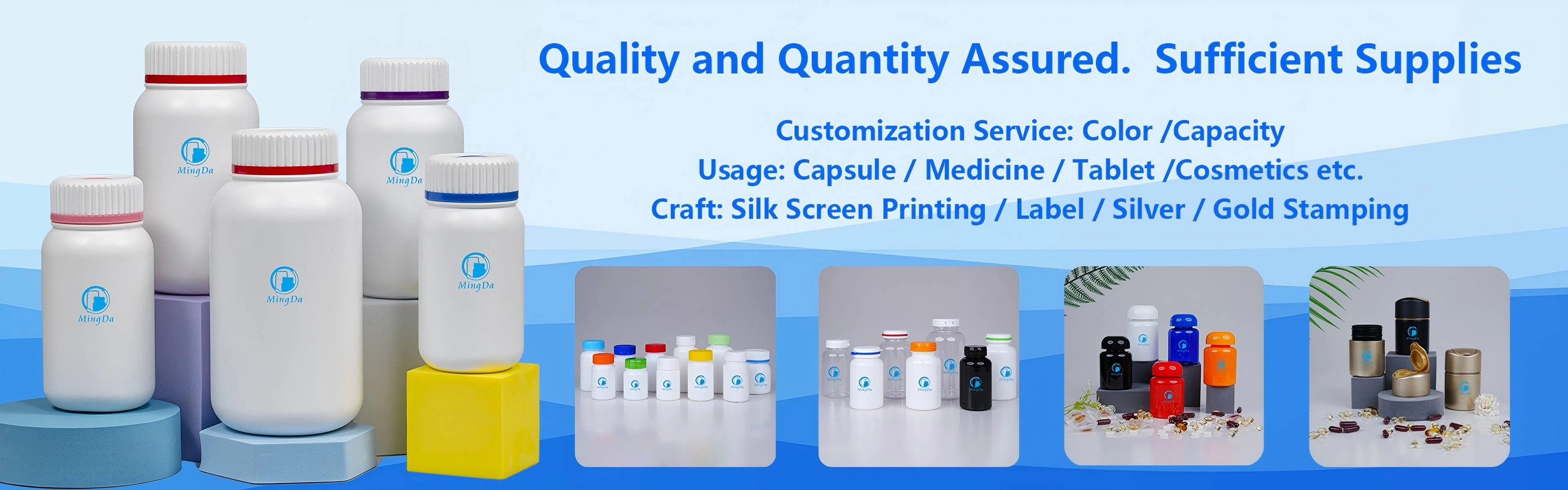

When people hear the term "unbreakable bottle", the first thought is usually of a container that cannot shatter or crack under normal use. While no material is truly indestructible, modern packaging technologies have made it possible to create bottles that are extremely resistant to breaking, even under tough conditions.
The Concept of an Unbreakable Bottle
An unbreakable bottle refers to a container designed to withstand drops, pressure, and impacts without breaking. Unlike traditional glass bottles that are fragile, these bottles are usually made of advanced plastics, stainless steel, or reinforced polymers. The main goal is to combine safety, durability, and convenience for industries like pharmaceuticals, food, cosmetics, and sports.
Common Materials Used in Unbreakable Bottles
HDPE (High-Density Polyethylene)
Widely used in pharmaceutical and food packaging, HDPE bottles are lightweight, impact-resistant, and recyclable. They can endure transportation shocks and temperature changes without breaking.
PET (Polyethylene Terephthalate)
PET bottles are clear, strong, and safe for direct contact with food and beverages. They are far less likely to shatter compared to glass, making them a popular choice for health supplements, juices, and cosmetics.
Stainless Steel
In the sports and reusable bottle industry, stainless steel is considered nearly "unbreakable." It resists corrosion, dents, and extreme handling, making it ideal for outdoor and travel use.
Tritan™ Copolyester
This new-generation plastic is BPA-free, transparent like glass, but much stronger. It is widely used in premium reusable water bottles.
Key Advantages of Unbreakable Bottles
Safety: No risk of sharp glass shards if dropped.
Durability: Can withstand daily use, shipping, and handling.
Lightweight: Easier to transport compared to glass bottles.
Sustainability: Many unbreakable bottles are recyclable or reusable, reducing environmental waste.
Applications Across Industries
Pharmaceuticals & Healthcare: Medicine and vitamin packaging that must remain intact during transport.
Food & Beverage: Juice, milk, or supplements packaged in PET/HDPE bottles for consumer safety.
Cosmetics & Personal Care: Creams, lotions, and oils stored in durable bottles that resist leakage and breakage.
Sports & Outdoor Gear: Stainless steel or Tritan bottles for active lifestyles.
Are They Truly Unbreakable?
It's important to note that "unbreakable" is more of a marketing term than a scientific fact. Any material can break under extreme force or misuse. However, compared to traditional glass, these bottles dramatically reduce the risk of damage and provide reliable performance in real-world conditions.