

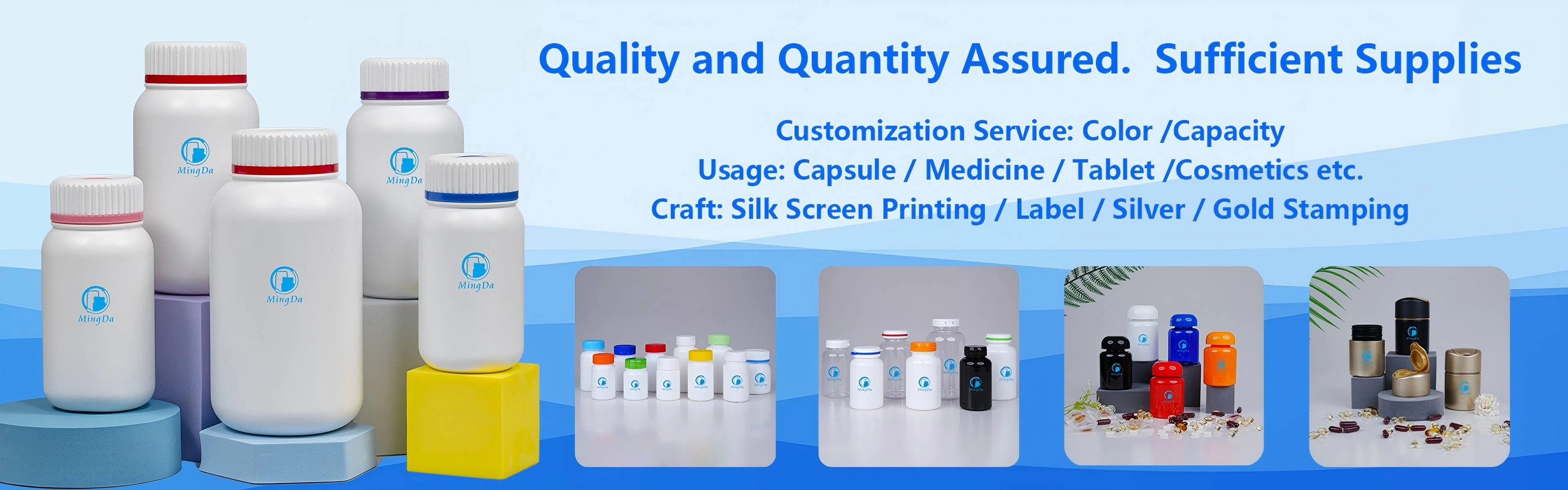
The most common biodegradable plastic in commercial use is PLA (polylactic acid). PLA is a plant-based polymer widely used in packaging, disposable tableware, and 3D printing. It dominates because of raw material availability, cost competitiveness, and established manufacturing supply chains - but it also has important limitations that affect real-world biodegradation.
What is PLA (polylactic acid)?
Source: PLA is produced from fermenting plant sugars (commonly corn, sugarcane, cassava) into lactic acid, which is polymerized into PLA.
Common uses: clear food containers, disposable cups and cutlery, compostable bags, and 3D-printing filament.
Why it's common: raw materials are renewable and widely available; production costs are relatively low compared with other biodegradable polymers; it can be processed on standard plastic equipment with minor adjustments.
How (and where) PLA biodegrades - realistic picture
Industrial composting needed: PLA typically requires industrial composting conditions (elevated temperatures and controlled humidity) to break down within a practical timespan. Under industrial composting (temperatures commonly around 50–60°C), PLA can disintegrate and biodegrade in weeks to months.
Not the same as home composting: In most home compost piles or natural environments (soil, freshwater, ocean), PLA degrades very slowly - often taking years.
Standards & certification: PLA products are often certified to industrial composting standards (examples: ASTM D6400, EN 13432) - check product certificates to confirm claims.
Recycling interaction: PLA is chemically distinct from PET; if mixed into PET recycling streams it can contaminate recycled PET batches. Proper sorting is important.
Alternatives to PLA - short comparison (facts only)
PHA (polyhydroxyalkanoates):
Produced by bacteria from renewable feedstocks.
Advantage: Biodegrades in a wider range of environments (including marine) and is fully biodegradable under many natural conditions.
Limit: Currently more expensive and less widely produced than PLA.
Starch-based blends:
Made from natural starch with other biodegradable polymers.
Advantage: Low cost for some single-use items.
Limit: Mechanical properties and water resistance are often weaker; formulations vary widely.
PBS (polybutylene succinate) and PBAT blends:
Used for flexible films and compostable bags.
Advantage: Better flexibility and heat resistance compared with neat PLA.
Limit: Often produced from petrochemical or partially bio-based feedstocks.