



photopathy
Many drugs react chemically when exposed to light, resulting in reduced efficacy and even harmful substances. For example, nitroglycerin, a common drug used to treat angina pectoris, breaks down easily when exposed to light. The brown bottle has a strong absorption capacity of light, especially for ultraviolet and short-wave parts of visible light. The color of the bottle can effectively block the entry of light, providing a relatively light-resistant environment for the drug, thus reducing the possibility of drug deterioration due to photolysis.
In addition to brown, dark bottles such as dark green can also play a role in avoiding light to a certain extent. Some medicines made from Chinese herbal extracts containing light-sensitive ingredients, such as those containing flavonoids, use dark bottles to better maintain the stability of the drug.
Heat absorption and reflection
Different colored bottles have different heat absorption and reflection characteristics. Light-colored bottles (such as white) usually reflect more light, including the hot part of the sun's rays, and therefore absorb relatively less heat. In high temperature environments, the temperature of drugs packaged in light-colored bottles rises relatively slowly, helping to keep the physical and chemical properties of drugs stable.
In contrast, dark bottles tend to absorb heat. If the drug is sensitive to temperature and placed in a high temperature environment for a long time, the drug packaged in a dark bottle may affect its quality due to excessive temperature. For example, some biological products, such as vaccines, need to be stored in a low temperature environment, and the use of light-colored bottles or packaging with thermal insulation design can reduce the impact of external temperature increases on drugs to a certain extent.
Photochemical inhibition
Drugs may undergo photochemical reactions under the action of light. The right color bottle packaging can inhibit this reaction. For example, some antibiotics (such as tetracycline antibiotics) undergo structural changes under the action of light, affecting their antibacterial activity. Using colored bottles that block specific wavelengths of light can prevent or reduce the occurrence of this photochemical reaction.
Some drugs containing vitamins (such as vitamin A, D, etc.) are also prone to photochemical reactions and loss of activity. Using a bottle color with good light resistance, such as dark amber or brown, can protect the active ingredients in the drug and extend the shelf life of the drug.
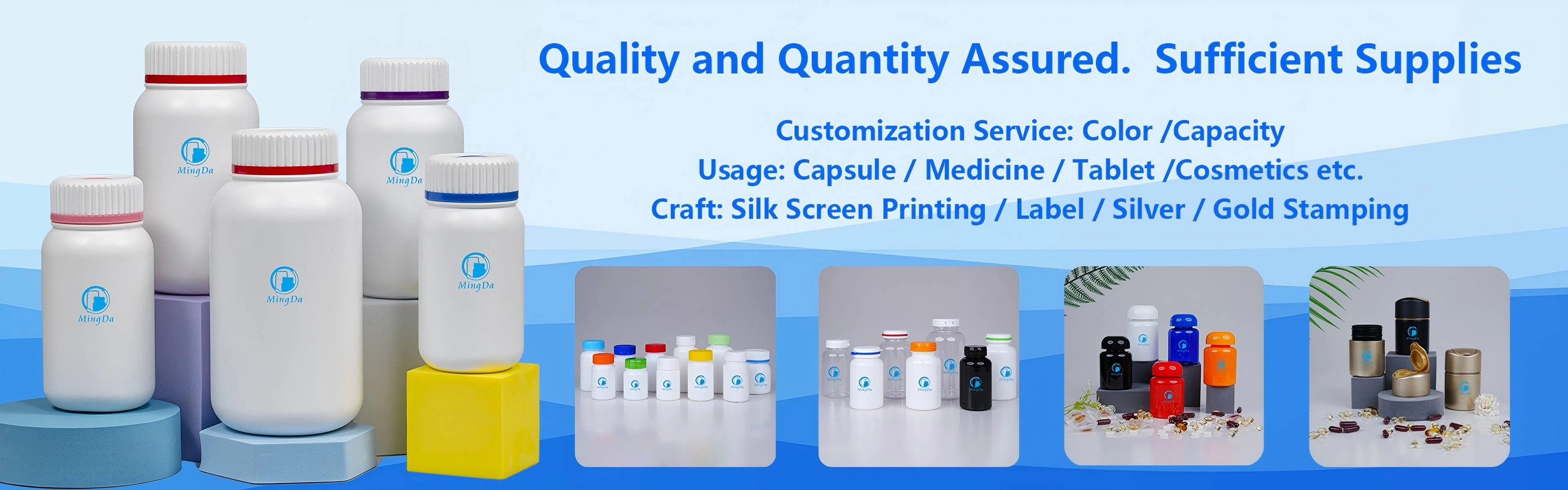
What is the effect of the color of the medicine bottle packaging on the preservation of the medicine?
Nov 19, 2024 Leave a message
Send Inquiry