

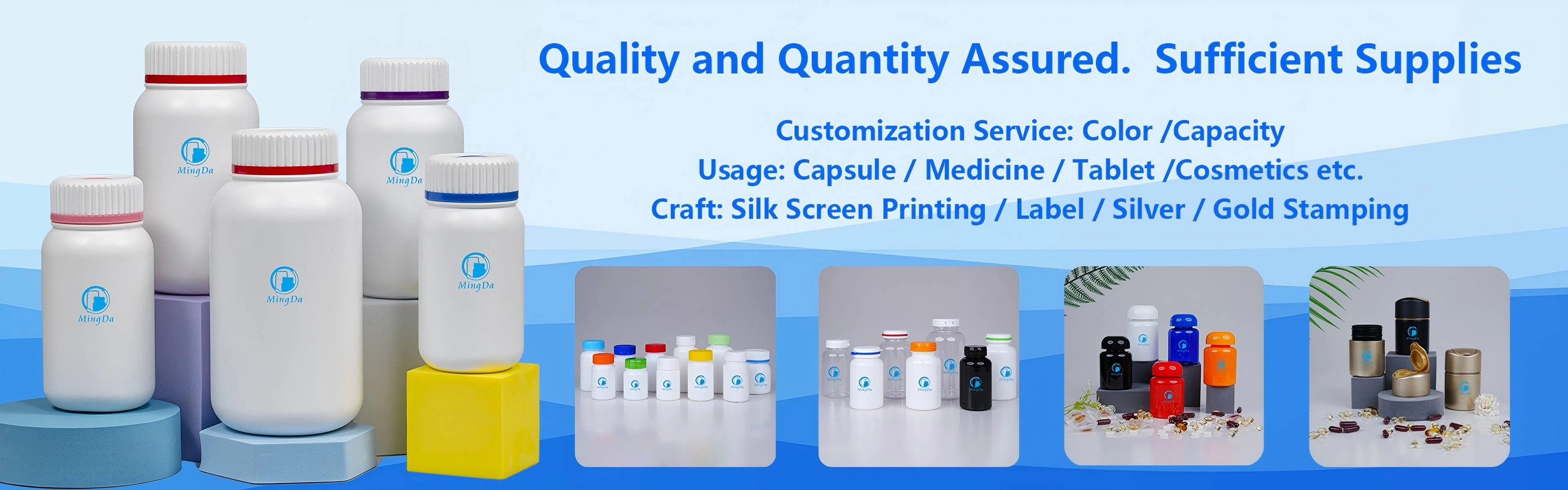




Here's a quick overview of the most common international certifications for export-grade plastic containers, including what they cover and why they matter.
✅ 1. FDA (U.S. Food and Drug Administration)
Applicable Regions: Primarily for products exported to the United States.
Key Purpose: Ensures that materials used in containers, such as HDPE or PET, are safe for food and pharmaceutical contact, and do not leach harmful substances. For manufacturers, FDA compliance is a basic requirement for entering the U.S. market.
✅ 2. SGS Testing Reports
Applicable Regions: Widely accepted in the European Union, Southeast Asia, and by international brands.
Key Purpose: SGS is one of the world's leading third-party inspection and testing organizations. Their reports typically include material composition, heavy metals content, BPA testing, and migration tests. These are used to prove the product is non-toxic, environmentally safe, and compliant with international safety standards.
✅ 3. ISO 9001 – Quality Management System
Applicable Regions: Recognized globally across all industries.
Key Purpose: Demonstrates that the manufacturer has a standardized quality management system in place. It helps ensure consistent product quality and reliable production processes. This is especially important for long-term partnerships and bulk purchasing by global buyers.
✅ 4. ISO 22000 – Food Safety Management System
Applicable Regions: Essential for food-grade plastic containers, especially those that come into direct contact with food.
Key Purpose: Helps manufacturers manage food safety risks throughout the production process, such as hygiene protocols and contamination control, ensuring compliance with international food safety regulations.
✅ 5. ISO 14001 & ISO 45001 – Environmental and Occupational Health & Safety Management
Applicable Regions: Commonly required for larger-scale manufacturers and exporters.
Key Purposes:
ISO 14001: Focuses on controlling environmental impacts from production, such as wastewater or air emissions.
ISO 45001: Promotes a safe and healthy workplace for employees by managing occupational health risks.
These certifications are often seen as indicators of corporate responsibility and are increasingly valued by buyers in Europe and North America.

🌍 Why Do These Certifications Improve Export Competitiveness?
Builds Buyer Confidence: Certified suppliers are seen as more reliable, reducing risks for buyers.
Fewer Trade Barriers: Compliance with international standards helps avoid customs delays or product recalls.
Access to Premium Markets: Certified products are more likely to meet the requirements of high-end markets.
Demonstrates Professionalism: Certifications reflect a company's commitment to quality and long-term development.