




1. Plastic Jars (HDPE/PET Materials)
1.1 Features
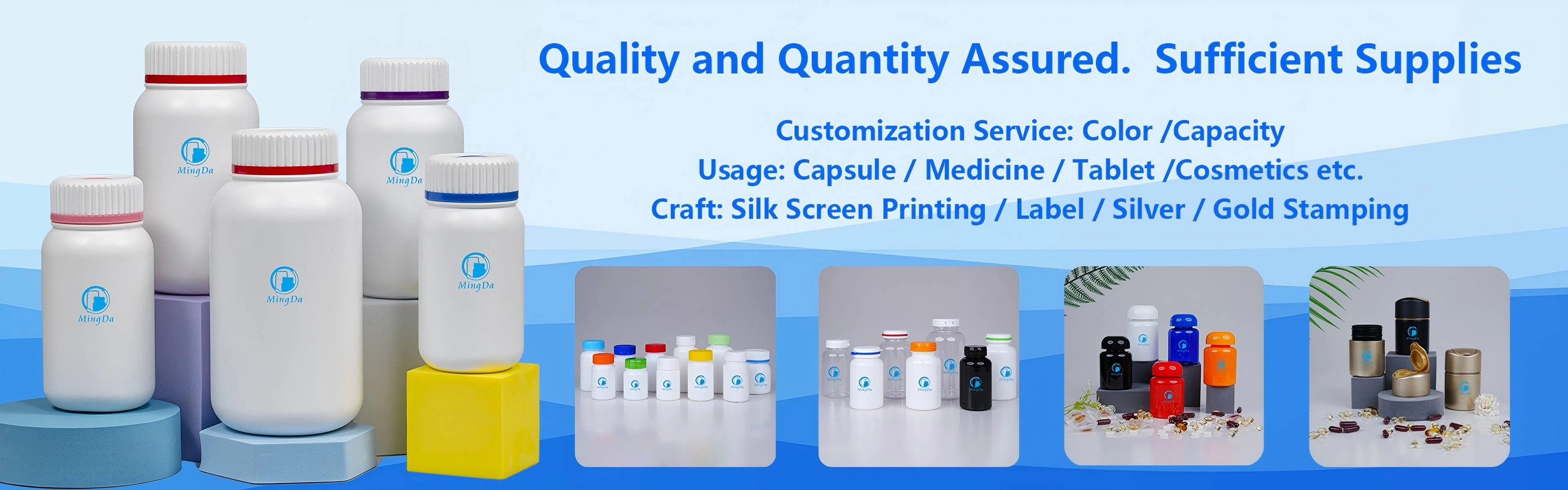
Common capacities: 1 lb to 5 lbs
Materials: High-Density Polyethylene (HDPE) or Polyethylene Terephthalate (PET)
Often designed with screw caps or tamper-evident seals
1.2 Advantages
Durable and impact-resistant: Protects the contents well, suitable for e-commerce shipping
Excellent sealing: Moisture-proof and oxidation-resistant for longer shelf life
Stackable and display-friendly: Eye-catching on retail shelves
1.3 Disadvantages
Bulky: Not convenient for travel or carrying around
Less eco-friendly: Long decomposition time for plastic
2. Metal Cans (Aluminum/Tinplate)
2.1 Features
Made of tinplate or aluminum
Usually cylindrical with pull-tab or press-fit lids
2.2 Advantages
Superior protection from light and oxidation
Premium look and feel: Elevates brand perception
Recyclable and reusable
2.3 Disadvantages
Higher cost: Expensive to produce and ship
Heavier: Less portable and costlier to mail
3. Flexible Packaging (Aluminum Foil Bags/Stand-up Pouches)
3.1 Features
Made of multi-layer composite film with excellent barrier properties
Often features resealable zippers and stand-up designs
3.2 Advantages
Lightweight and space-saving: Great for home use and travel
Eco-conscious: Less material used, reduces carbon footprint
Highly customizable: Easier to create visually appealing designs
3.3 Disadvantages
Less protective: Susceptible to external pressure or damage
Sealing-dependent: If the zipper fails, freshness is compromised
4. Eco-Friendly Packaging (Biodegradable Materials/Paper Cans)
4.1 Features
Made from materials such as PLA, paper, bamboo fiber, etc.
used for plant-based or natural wellness brands
4.2 Advantages
Strong environmental message: Aligns with sustainability trends
Boosts brand image: Appeals to eco-conscious consumers
Lightweight and easy to dispose of: More likely to be recycled or composted
4.3 Disadvantages
Limited preservation ability: Often requires an inner liner
Still relatively costly: Some biodegradable materials are expensive
5. Other Innovative Packaging
5.1 Single-Serve Packets
Pre-measured doses (e.g., 5g–30g per pack)
Convenient for travel and portion control; ideal for fitness users
5.2 Smart Packaging
Integrates smart labels, RFID, or QR codes
Provides product traceability, anti-counterfeit verification, and consumer engagement
Comparison Table of Packaging Types
| Packaging Type | Cost | Portability | Preservation | Visual Appeal | Target Audience |
|---|---|---|---|---|---|
| Plastic Jars | Medium | ★★ | ★★★★ | ★★★★ | Fitness enthusiasts |
| Metal Cans | High | ★★ | ★★★★★ | ★★★★★ | Premium nutrition buyers |
| Flexible Packaging | Low | ★★★★★ | ★★★ | ★★★ | Office workers, travelers |
| Eco-Friendly Packaging | Medium-High | ★★★★ | ★★ | ★★★★ | Environmental consumers |
| Single-Serve Packets | Medium-High | ★★★★★ | ★★★★ | ★★★★ | Gym-goers, on-the-go users |
Future Trends
Sustainable packaging on the rise: With environmental regulations tightening, biodegradable materials will become the norm.
Smart packaging technology: Enhances consumer trust and brand interaction.
Personalization and customization: Brands will offer more niche and custom packaging solutions.
Sustainable supply chain design: Eco-conscious packaging across the entire product life cycle will become a competitive edge.
Conclusion
Choosing the right protein powder packaging is crucial for market success. Whether it's the protective plastic jar, the premium metal can, the travel-friendly pouch, or the eco-conscious container, each type serves different consumer needs. Brands should align their packaging choices with their positioning and customer preferences to enhance the user experience and boost brand value.