

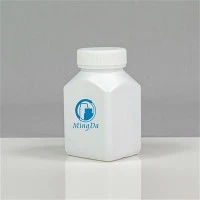
1. Introduction
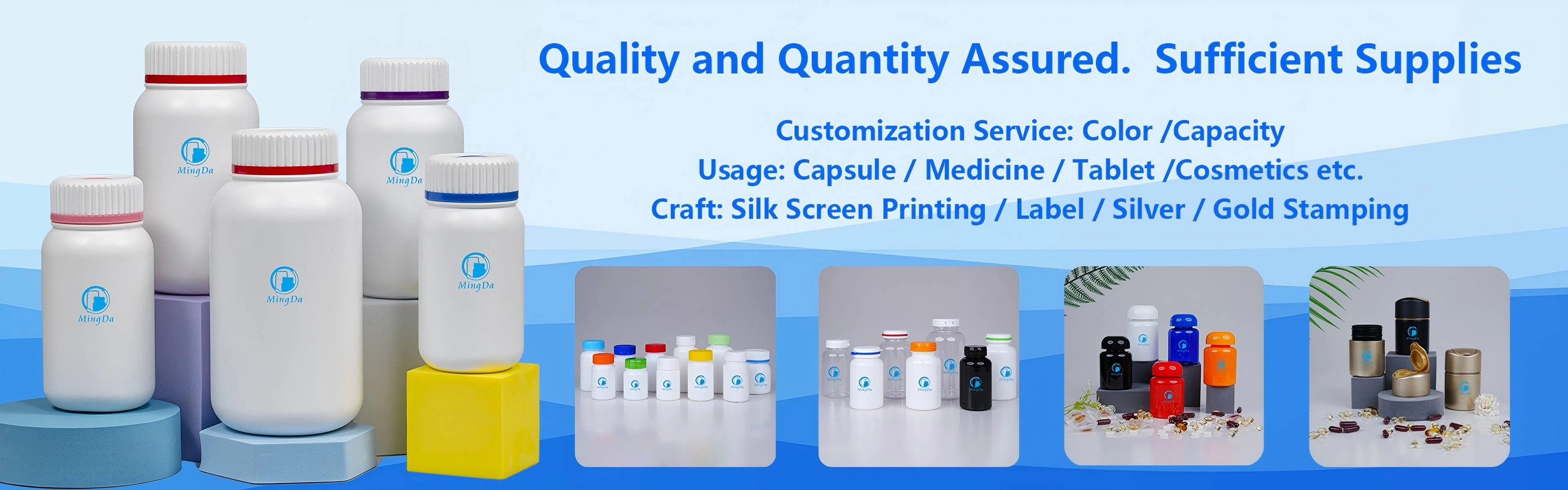
Plastic bottles are everywhere-from your morning water bottle to the shampoo in your shower. However, not all plastic bottles are the same. They're classified by resin type, each with unique properties and recycling codes known as Resin Identification Codes (1 to 7). Choosing the right plastic for your product isn't just about cost-it affects safety, recyclability, and performance.
2. PET (Polyethylene Terephthalate) – #1 Plastic
Properties: Lightweight, transparent, strong, and an excellent gas barrier.
Common Uses: Water bottles, soda bottles, salad dressing containers.
Recyclability: Highly recyclable and accepted in most curbside recycling programs.
Safety: Safe for food contact but not ideal for hot liquids or long-term reuse.
3. HDPE (High-Density Polyethylene) – #2 Plastic ⭐
Properties: Opaque, rigid, chemical-resistant, and UV-resistant. HDPE is known for its toughness and durability, making it perfect for products that withstand stress, exposure, and frequent handling.
Common Uses: Health products, pharmaceuticals, protein powders, milk jugs, detergent bottles, shampoo and conditioner bottles.
Recyclability: Easily recycled into new bottles, crates, plastic lumber, and piping, making it one of the most environmentally friendly plastics.
Safety: BPA-free, food-grade, non-leaching, and suitable for hot and cold products. Ideal for reusable containers.
✅ Why HDPE Stands Out:
Excellent chemical resistance
Long-lasting and durable
Widely recyclable and environmentally friendly
Safe for repeated use and direct food contact
4. LDPE (Low-Density Polyethylene) – #4 Plastic
Properties: Soft, flexible, and moisture-resistant.
Common Uses: Squeeze bottles (honey, sauces), cosmetic tubes, plastic bags.
Recyclability: Less commonly recycled, but accepted at some facilities.
Safety: Safe for food use; non-toxic and flexible.
5. PP (Polypropylene) – #5 Plastic
Properties: Durable, heat-resistant, and semi-rigid.
Common Uses: Medicine bottles, yogurt cups, reusable food containers.
Recyclability: Increasingly recycled in modern facilities.
Safety: Microwave-safe, BPA-free, ideal for hot foods and liquids.
6. PVC (Polyvinyl Chloride) – #3 Plastic
Properties: Versatile, either rigid or flexible, with strong chemical resistance.
Common Uses: Cooking oil bottles, blister packs, medical tubing.
Recyclability: Rarely accepted due to toxic additives.
Safety: Contains phthalates; best avoided for food and drink packaging.
7. Comparison Table: PET vs. HDPE vs. LDPE vs. PP vs. PVC
| Resin Type | Transparency | Rigidity | Chemical Resistance | Recyclability | Food Safe |
|---|---|---|---|---|---|
| PET | High | Semi | Moderate | Excellent | Yes |
| HDPE | Low | High | Excellent | Excellent | Yes |
| LDPE | Low | Low | Good | Limited | Yes |
| PP | Low | Medium | Good | Growing | Yes |
| PVC | Variable | High | Excellent | Poor | No |
8. Conclusion
Each plastic resin type has its place, but HDPE stands out as the best all-around option for strength, safety, recyclability, and versatility. Whether you're packaging food, cosmetics, or chemicals, HDPE delivers superior performance while helping reduce environmental impact.
👉 Choose smart, choose HDPE-a safer, stronger, and greener plastic bottle solution.