




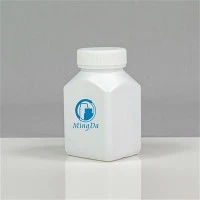
The spray packaging structure of rhinitis treatment is usually mainly composed of the following parts:
Bottle body
Material: Generally plastic or glass material. The plastic bottle body has the advantages of lightweight, easy to break and low cost; The glass bottle has better chemical stability, can avoid the reaction with the drug, and ensure the stability and quality of the drug.
Shape and capacity: The shape is mostly cylindrical, easy to hold and use. The capacity is generally ranging from 10 ml to 30 ml, and the common ones are 15 ml and 20 ml to meet the needs of patients for a period of time.
sprayer
Spray mechanism: Nozzle is a key component to achieve drug spray, usually using a quantitative spray pump or atomizing nozzle. The quantitative spray pump can accurately control the dosage of the drug each time to ensure the accuracy of the drug. The atomizing nozzle can disperse the drug into very fine mist particles, so that the drug is more evenly distributed in the nasal cavity, and improve the absorption effect of the drug.
Material and design: The nozzle is generally made of plastic or metal, with a smooth surface and no burrs to prevent damage to the nasal mucosa. The nozzle diameter of the nozzle is small, usually between 0.5 mm and 1 mm, ensuring that the drug can be sprayed in the proper spray form. Some nozzles are also designed with a protective cover to prevent dust and impurities from entering the nozzle, affecting the spray effect.
Valve system
Function: The valve system is located between the bottle body and the nozzle, and its main function is to control the ejection of the drug. When pressing the nozzle, it can accurately extract the medicine in the bottle and deliver it to the nozzle to realize the spray function; When not pressed, the valve is closed to prevent drug leakage.
Structure: It is generally composed of spring, rubber seal, valve stem and other components. The spring provides the elasticity so that the valve can return to the closed state after pressing; The rubber seal ensures the tightness of the valve and prevents the leakage of drugs; The stem pushes the spring when the nozzle is pressed, opening the valve and allowing the drug to pass through.
Bottle caps
Function: The bottle cap is mainly used to protect the nozzle and prevent drug volatilization and leakage. Some bottle caps also have a special design, such as a child safety lock function, to prevent children from using the wrong operation.
Material and design: The material is usually the same as the bottle body, plastic or metal. The design of the bottle cap has two common types: screw cap and snap. The screw cap has good sealing and needs to be rotated to open and close; The clasp bottle cap is easy to operate and can be opened or closed with a simple press.
Labels and instructions
Label: Generally affixed to the surface of the bottle, containing product name, ingredients, efficacy, use method, shelf life, manufacturer and other important information. The material of the label is usually waterproof and wear-resistant to ensure the integrity and readability of the information.
Instruction manual: usually a paper material, it will introduce the relevant information of the product in more detail, such as the mechanism of action of the drug, applicable symptoms, adverse reactions, precautions, etc., to provide comprehensive medication guidance for patients.
Treatment of rhinitis spray packaging structure
Jan 21, 2025 Leave a message
Send Inquiry