

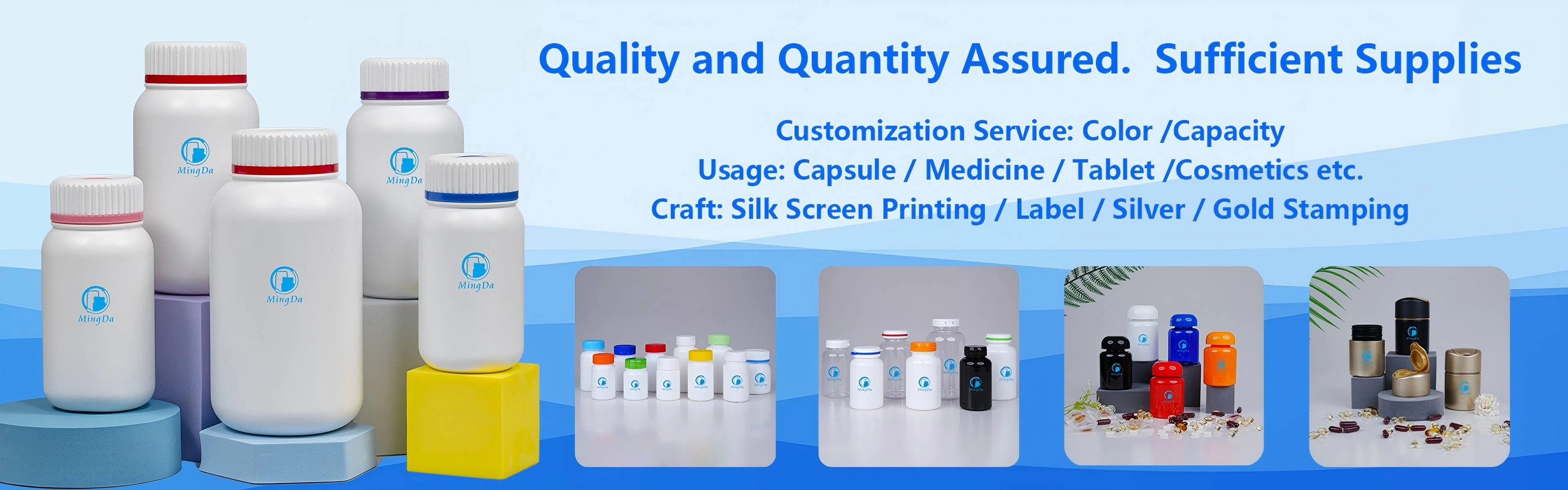
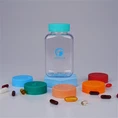
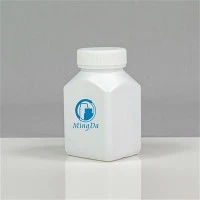
In pharmaceutical, nutraceutical, and OTC markets, a plastic bottle is never just a container.
It plays a direct role in product safety, shelf life, regulatory compliance, and even whether a product can legally enter a specific market.
Based on years of observing pharmaceutical packaging projects, I've noticed that many problems don't come from the product itself. They usually start much earlier - with the wrong choice of manufacturer.
This article breaks down what actually matters when evaluating top plastic bottle manufacturers for pharmaceutical use, and how buyers can make smarter, lower-risk decisions.
What Makes a Plastic Bottle Manufacturer Suitable for Pharmaceutical Use?
Real Regulatory Compliance, Not Just Certificates
Certificates like FDA or ISO are important, but they are only the starting point.
What matters more is whether those systems are actively followed in daily production.
A reliable pharmaceutical plastic bottle manufacturer usually shows clear signs of this:
- Consistent quality management, not last-minute audit preparation
- Documented control over raw materials, production, testing, and shipment
- Batch traceability that allows fast issue identification
If a supplier can only provide scanned certificates but struggles to explain internal processes, I would treat that as a warning sign.
Controlled Production Environment Matters More Than You Think
Pharmaceutical packaging requires far more than a standard workshop.
I always look closely at whether a manufacturer operates cleanrooms (typically Class 100,000 or better) and how they manage separation between:
- Raw material storage
- Bottle forming
- Final packaging
- Temporary warehousing
Many general packaging factories can produce bottles that look acceptable.
The real difference appears over time, especially when stability and contamination risks matter.
Material Safety and Long-Term Stability
Material selection directly affects product safety.
HDPE bottles are widely used for tablets, capsules, and powders. They offer strong moisture protection and good chemical stability.
PET bottles are often chosen for softgels or liquid supplements that need product visibility, but they require stricter process control.
I usually expect suppliers to clearly explain:
- Resin source and grade
- Whether materials are food-grade or pharmaceutical-grade
- Stability and compatibility testing results
This information is far more valuable than a low unit price.
Quality Testing Is Not Optional
For pharmaceutical use, testing should be systematic, not symbolic.
From my experience, reliable manufacturers consistently perform:
Leak and sealing tests
Torque testing for cap opening force
Drop tests
Microbiological testing
High- and low-temperature resistance tests
If testing is treated as a formality instead of a routine process, the supplier is not suitable for long-term pharmaceutical projects.
Common Plastic Bottle Types Used in Pharmaceutical Packaging
HDPE Pharmaceutical Bottles
HDPE bottles remain the most common choice for solid dosage forms such as tablets, capsules, and powders.
They offer strong moisture resistance, good chemical stability, and reliable performance over time.
PET Pharmaceutical Bottles
PET bottles are often used for softgels or liquid supplements where product visibility matters.
Because PET is more sensitive to processing conditions, it requires higher manufacturing precision.
Functional and Specialty Bottles
This category includes child-resistant bottles, tamper-evident designs, wide-mouth bottles, and more.
In these cases, the bottle, cap, and sealing system must work together as a complete solution.
How to Understand "Top" Pharmaceutical Plastic Bottle Manufacturers
"Top" does not always mean the largest or the cheapest.
It means the manufacturer is the right fit for a specific pharmaceutical application.
Some focus on multinational pharmaceutical companies with strict compliance demands.
Others specialize in OEM and private-label brands that need flexibility and customization.
High-capacity manufacturers are better suited for long-term, high-volume supply programs.
The key is matching capability with actual project needs.
How I Personally Evaluate a Pharmaceutical Bottle Supplier
I look beyond certificates and focus on execution details.
I pay close attention to customization capabilities, tooling support, and how well the bottle, cap, and sealing components work as a system.
Long-term supply stability also matters.
A supplier should be able to grow with the project, not struggle once volumes increase.
Common Mistakes Buyers Make
Many buyers focus too heavily on price while underestimating compliance risks.
Others skip proper testing in early stages, only to face costly problems later.
In pharmaceutical packaging, small decisions made early can have long-term consequences.
Final Thoughts
A pharmaceutical plastic bottle is part of a larger safety and compliance system.
Choosing the right manufacturer is not just about buying a container - it's about protecting the product, the brand, and the market strategy behind it.
I always recommend placing evaluation before price comparison.
That single decision often determines whether a partnership will be smooth or problematic.