

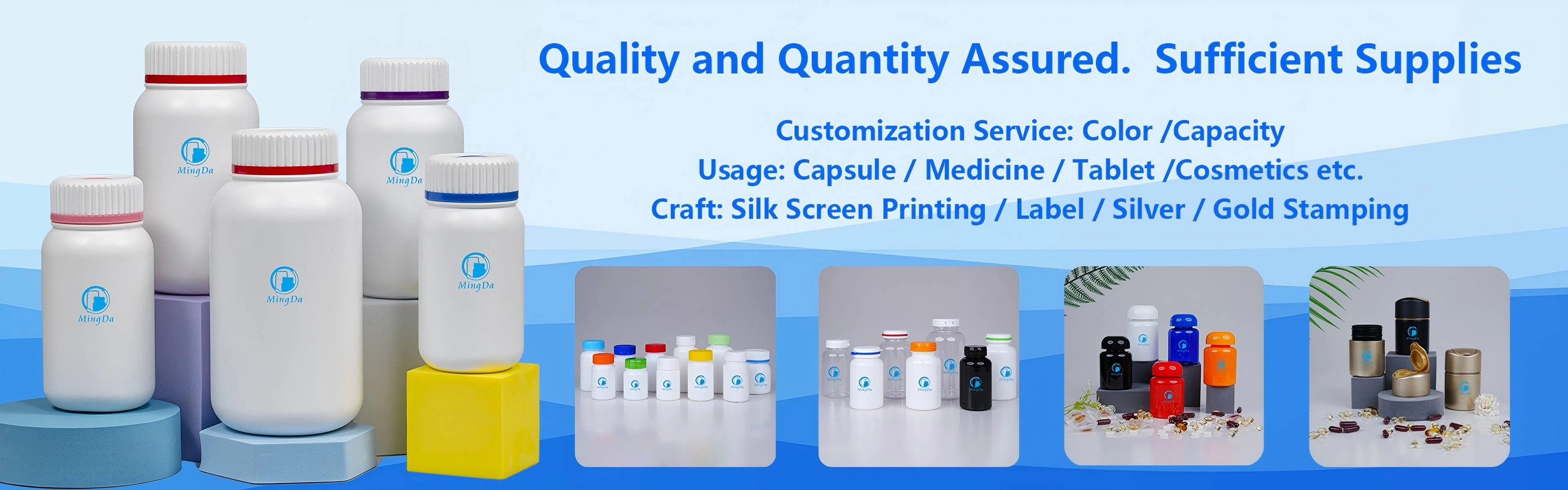




Tamper-evident rings are usually injection-molded as part of the cap or assembled. Ideally, the material of the tamper-evident ring should match that of the cap to ensure consistent performance in molding, assembly, sealing, and breakage.
Technical Considerations for Different Material Combinations:
| Material Combination | Recommendation | Remarks |
|---|---|---|
| PP Cap + PP Ring | ✅ Recommended | Same material ensures matched shrinkage, elasticity, and break strength; easy to mold and seal. |
| PE Cap + PE Ring | ✅ Recommended | Ideal for soft-type caps; commonly used in LDPE applications. |
| PP Cap + PE Ring | ⚠️ Not Recommended | PE is softer and may cause incomplete break-off or slippage when tightened. |
| PE Cap + PP Ring | ❌ Strongly Discouraged | PP is too rigid for soft PE caps and may cause deformation or failure to break the ring properly. |
Production Advice:
PP caps should be paired with PP tamper-evident rings, especially for applications requiring secure sealing and clean break-off, such as in food or pharmaceutical packaging.
PE caps, often used for soft or squeezable bottles (e.g., lotion bottles, condiment bottles), should use PE rings to avoid damage or poor user experience.
If a mixed-material combination is necessary due to design constraints, extensive prototyping and torque testing are essential to ensure reliable sealing and tamper-evident performance.