

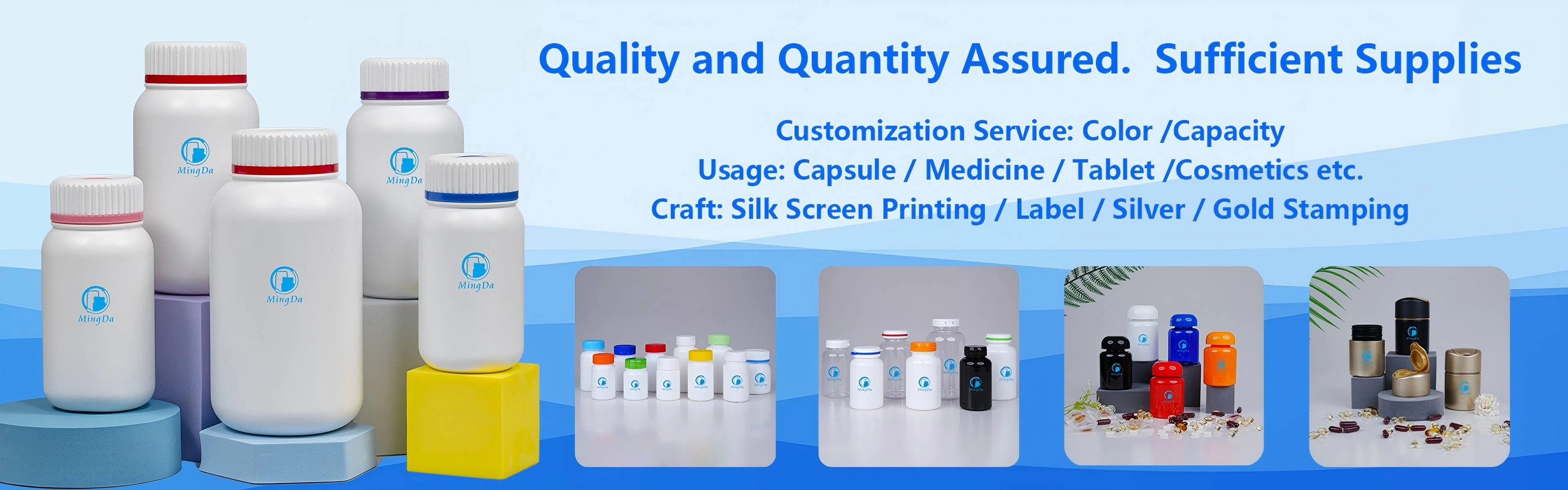
In the plastic packaging industry, moisture barrier performance is a crucial factor when choosing materials, especially for products like food, pharmaceuticals, and electronics that are sensitive to humidity.
1. Moisture Barrier Performance of PET
PET is a common plastic used in beverage bottles, food packaging, and textiles. It has excellent moisture barrier performance, which is demonstrated in the following aspects:
Low Moisture Absorption Rate: PET has a very low moisture absorption rate, meaning it effectively prevents moisture from entering the packaging and keeps the contents dry.
Good Barrier Properties: PET provides high resistance to both gases and water vapor. It prevents moisture and oxygen from penetrating, thus extending the shelf life of products.
Stability: PET remains stable in humid environments, without deforming or losing strength due to moisture infiltration.
Summary: Due to its low moisture absorption rate and excellent gas barrier properties, PET is typically used for packaging that requires high moisture protection, especially in the food and beverage industries.
2. Moisture Barrier Performance of HDPE
HDPE is another widely used plastic, commonly used for bottle containers, pipes, and packaging for personal care products. While it has decent moisture barrier performance, it is somewhat inferior to PET, as highlighted in the following points:
Higher Moisture Absorption Rate: HDPE has a relatively higher moisture absorption rate, meaning it is less resistant to moisture than PET.
Weaker Gas Barrier Properties: Compared to PET, HDPE has weaker resistance to water vapor and gases, making it more susceptible to moisture, especially in humid environments.
Durability: Although HDPE performs well in humid conditions, it cannot match PET in terms of moisture protection.
Summary: HDPE's moisture barrier performance is suitable for general packaging needs, but for applications requiring strict moisture protection, PET is often the better choice.
3. PET vs. HDPE: Which Is Right for Your Needs?
Choosing the right material depends on your specific requirements. Here are some guidelines:
For Food and Beverage Packaging: If your product needs to remain dry and avoid moisture penetration, PET is usually the better option. Its low moisture absorption rate and excellent gas barrier properties effectively extend the shelf life of food and beverages.
For Personal Care Products and General Goods: HDPE can be a suitable choice when moisture protection requirements are less stringent. While its moisture barrier performance is not as good as PET, it is still adequate for most packaging needs.
4. Other Factors Affecting Moisture Barrier Performance
Packaging Design: Whether PET or HDPE is used, the design of the packaging (such as the seal on the cap and the thickness of the material) will also impact the moisture barrier performance. High-quality seals can greatly improve moisture protection.
Environmental Conditions: Humid and fluctuating temperature conditions may affect the plastic's moisture barrier performance. PET typically performs better under these conditions.
Conclusion
In terms of moisture barrier performance, PET outperforms HDPE, especially in applications that require strict moisture protection (such as food and pharmaceutical packaging). PET's low moisture absorption rate and excellent gas barrier properties make it the ideal material for maintaining dryness. HDPE, on the other hand, is suitable for applications where moisture protection is less critical. Choosing the right plastic material based on your specific needs will help ensure product quality and safety.