

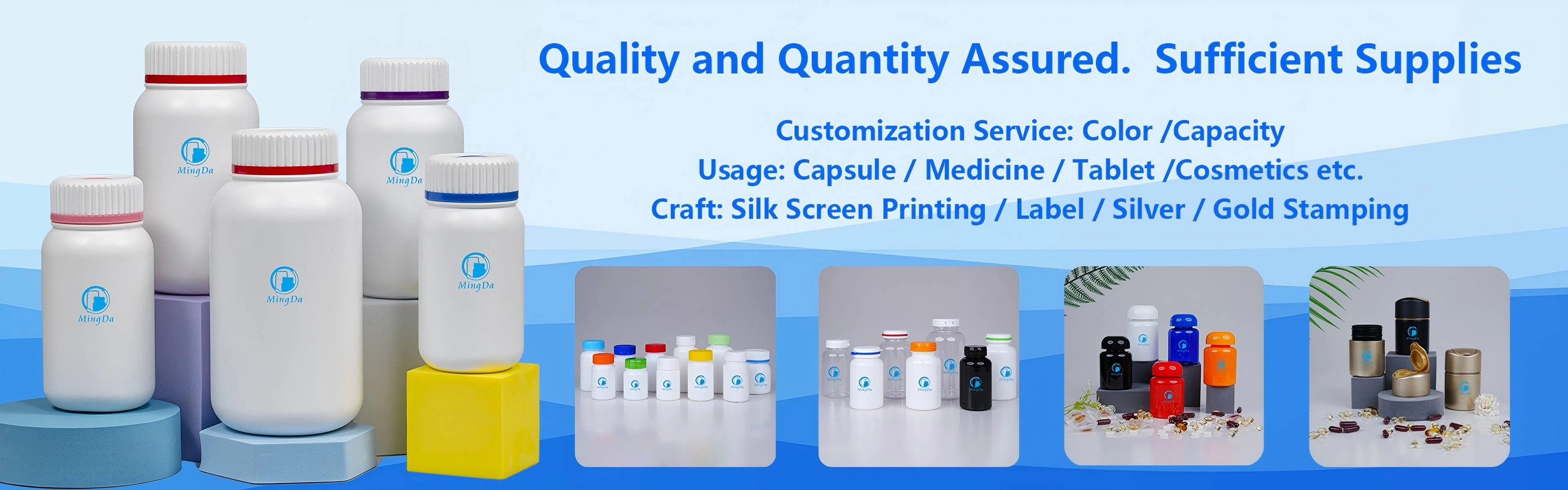
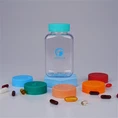
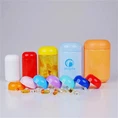

When sourcing plastic packaging for food, supplements, or personal care products, PET jars and HDPE jars are two of the most common options available on the market. Both materials are widely used, easily sourced from manufacturers, and suitable for various bottle types, including capsule bottles and wide-mouth jars. To help international buyers quickly understand the practical differences, this article summarizes the key considerations based on real usage scenarios and feedback we often hear from global customers.
In the packaging industry, one of the first questions new buyers ask is:
"What's the difference between PET and HDPE jars?"
This isn't about choosing which one is better-both materials are reliable. The real goal is to figure out which option fits your product style, your market, and your logistics setup. Based on our experience as a plastics packaging manufacturer, here are the points buyers usually care about most.
1. Appearance: Clear vs Non-Clear Styles
PET jars offer high clarity, making them great for products that rely on visual appeal, such as:
- gummies
- mixed nuts
- colorful capsules
- wide mouth jars for snacks or powders


HDPE jars are typically white or natural (non-transparent), giving a more "professional" look. They are commonly used for:
- capsule bottles
- supplement packaging
- formulas that need reduced light exposure
Both styles serve different branding directions-PET leans more toward display, while HDPE fits minimalist or clinical designs.


2. Everyday Use and Application Flexibility
Both PET and HDPE are food-grade plastics and suitable for a wide range of packaging types, including food jars, capsule bottles, and powder containers. In daily use, buyers mainly look at:
- Bottle shapes: Both materials support round, square, wide mouth, narrow mouth, and custom shapes.
- Cap options: Compatible with PP safety caps, double-layer caps, tear-off caps, and more.
- Seal types: Work well with induction foil liners, pressure-sensitive liners, and standard sealing structures.
For most products, both PET and HDPE can meet functional requirements without issue.

3. Transportation, Storage, and Filling Considerations
For international shipments, buyers usually focus on stability and consistency.
From the manufacturer's perspective, both PET and HDPE jars handle the common requirements well:
suitable for long-distance transport
compatible with standard filling lines
stackable and stable in bulk cartons
easy to store for long periods
If your goods will cross regions with larger temperature changes, your supplier can adjust bottle weight or suggest a suitable jar shape. This is routine and helps ensure consistent performance.

4. Typical Use Cases in the Market
To help buyers narrow down options more quickly, here are common matches we see:
Capsule bottles: PET and HDPE are both widely used
Wide mouth food jars: PET offers strong shelf appeal, but both work well
Powder bottles: Both materials are compatible with powder filling
Kids' nutrition packaging: Choice depends on brand style
Pet treat jars: PET or HDPE, depending on design and logistics
There is no fixed rule-material selection often follows branding and practical needs.
5. Practical Advice from the Manufacturing Side
As a packaging manufacturer, we usually help buyers make decisions based on a few simple questions:
Do you want your product to be visible or fully opaque?
What kind of brand image are you aiming for?
What is your primary market environment like?
Does your filling line prefer a specific structure or bottle weight?
Once these points are clear, the factory can help match the right material, bottle type (capsule bottle, wide mouth jar, etc.), cap structure, and sealing options.
Conclusion
PET and HDPE jars are both dependable materials used across food, supplements, and personal-care packaging. Instead of focusing on which one is "better," it's more effective to choose based on your product category, brand style, and shipping conditions. If you need help customizing bottle shapes, colors, caps, or liners, a manufacturer can easily prepare matching options or send samples for testing.