





What is the Molecular Structure of HDPE?
HDPE is composed of long chains of ethylene monomers (C₂H₄) linked together through polymerization. The defining feature of HDPE's molecular structure is its low degree of branching.
Linear Structure: The polymer chains in HDPE are mostly straight and densely packed.
High Crystallinity: HDPE typically has a crystallinity of about 70% to 90%, meaning that the molecules are highly ordered.
High Molecular Weight: Many HDPE grades are characterized by a high molecular weight, contributing to their strength and toughness.
Because the chains are so closely packed, HDPE has a high density (typically between 0.941–0.965 g/cm³), which is what gives the material its name: High-Density Polyethylene.
Key Performance Characteristics of HDPE
The unique molecular structure of HDPE leads to several valuable properties:
1. High Strength and Durability
The tightly packed, crystalline molecular structure gives HDPE exceptional tensile strength and impact resistance. This makes it suitable for heavy-duty applications like piping, industrial containers, and structural parts.
2. Excellent Chemical Resistance
HDPE resists a wide range of chemicals, including acids, bases, and solvents. It is ideal for chemical storage tanks, bottles, and containers where chemical exposure is a concern.
3. Low Water Absorption
Due to its non-polar molecular nature, HDPE absorbs very little water, making it perfect for water pipes, tanks, and outdoor packaging.
4. UV and Weather Resistance
Although HDPE can degrade under prolonged UV exposure, UV-stabilized grades are available that significantly enhance its outdoor performance. HDPE's inherent weather resistance makes it suitable for agricultural films, outdoor furniture, and infrastructure projects.
5. Lightweight and Flexible
Despite its strength, HDPE remains relatively lightweight. It also offers moderate flexibility compared to more rigid plastics like polypropylene, making it easier to mold and fabricate into different shapes.
6. Food-Grade Safety
Because of its pure molecular structure and chemical stability, FDA-approved HDPE is considered safe for food contact applications, including milk jugs, juice bottles, and food storage containers.
Quick Comparison: HDPE's Strengths
| Property | HDPE's Performance |
|---|---|
| Density | 0.941–0.965 g/cm³ |
| Crystallinity | 70%–90% |
| Chemical Resistance | Excellent against most chemicals |
| Tensile Strength | High (20–37 MPa depending on grade) |
| Temperature Range | -30°C to 90°C |
| Environmental Resistance | Good (UV stabilization recommended outdoors) |
Conclusion
The molecular structure of HDPE - defined by low branching, high crystallinity, and strong intermolecular forces - directly results in its impressive performance characteristics. These properties make HDPE an ideal material for a wide range of applications, from everyday packaging to heavy-duty industrial uses.
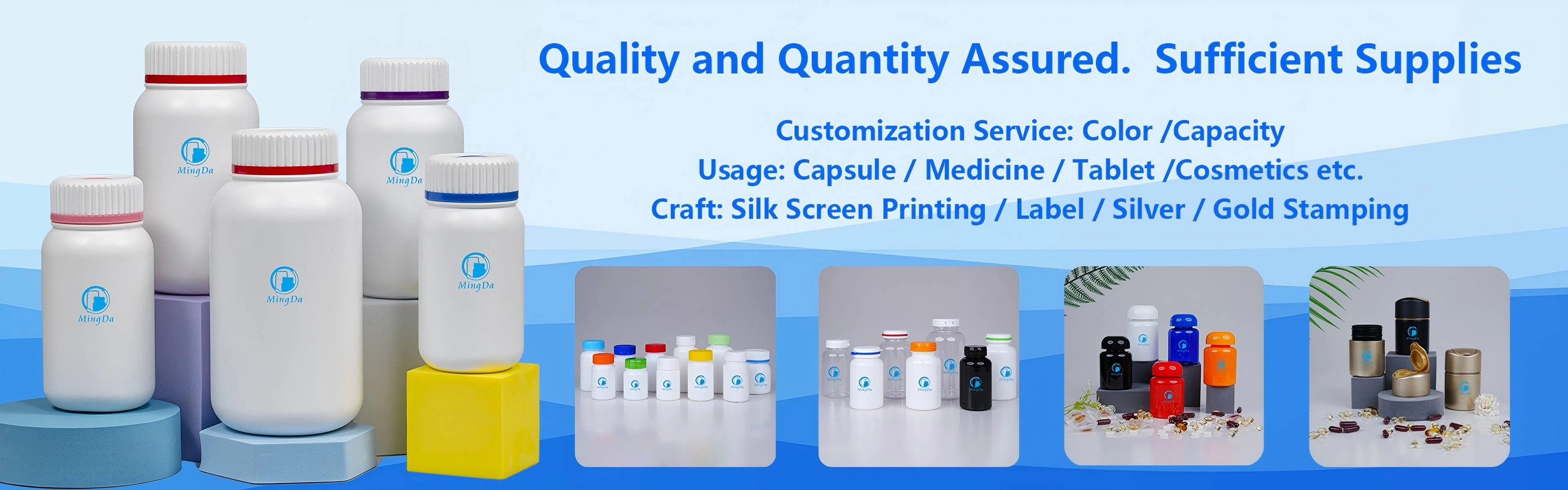
At Mingda Plastic Products, we specialize in manufacturing high-quality HDPE packaging and components. Whether you need customized bottles, containers, or industrial solutions, we provide OEM and ODM services tailored to your specific needs.
Contact us today to learn how our expertise in HDPE materials can support your next project!