

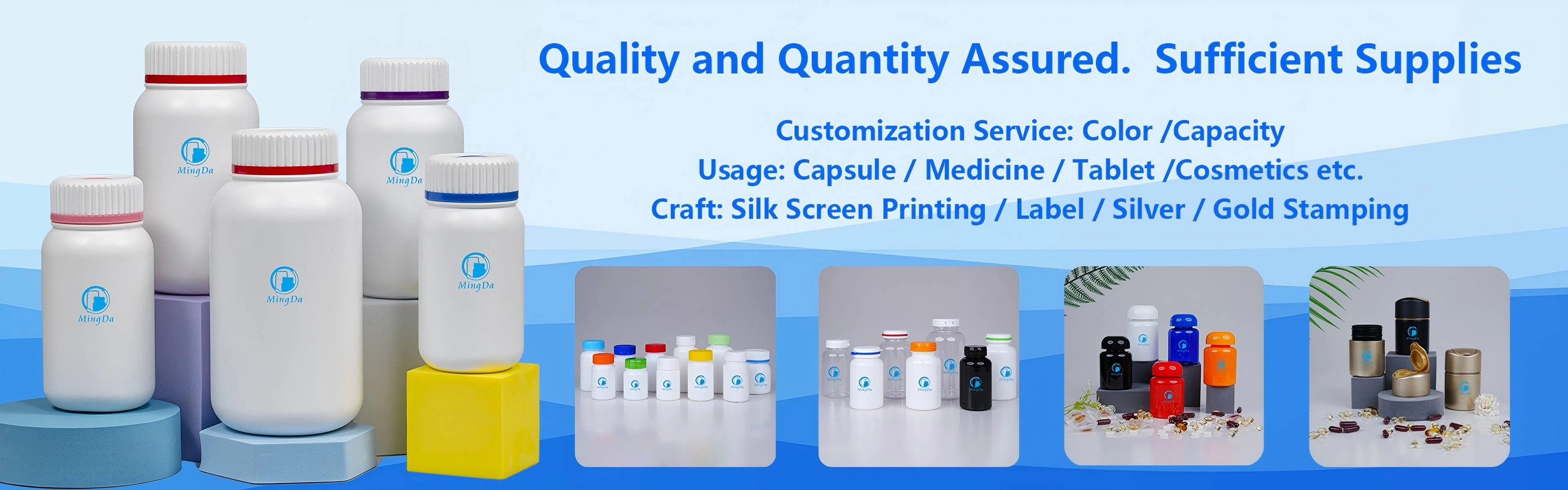
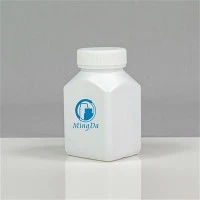
In recent years, I've seen ring-pull bottles show up more and more often in global packaging discussions-especially in pharmaceuticals, dietary supplements, and functional foods. At first glance, a ring-pull bottle may look like a small design tweak. In reality, it reflects a much deeper shift toward safety, compliance, and user-friendly packaging.
In this article, I want to break down how ring-pull bottles actually work, why global brands are adopting them, and how to evaluate Chinese manufacturers if you're sourcing for international markets. My goal is simple: help you make a better, more confident decision.
Why ring-pull bottles are gaining global popularity
From my perspective, the growth of ring-pull bottles isn't a trend driven by looks-it's driven by function.
The biggest reason is tamper evidence. A ring-pull closure creates a clear, irreversible opening mark. Consumers immediately know whether a product has been opened before. That level of trust is especially important for pharmaceuticals, supplements, and nutrition products.
Another key factor is ease of use. Compared with traditional screw caps that require force or tools, ring-pull bottles open more intuitively. This matters more than many people realize, particularly for elderly users or consumers who open bottles frequently.
Today, ring-pull bottles are most commonly used for:
- Pharmaceutical and dietary supplements (capsules, tablets, powders)
- Functional foods and sports nutrition
- Infant and specialty nutrition products
In markets like North America, Europe, Japan, and Australia, regulatory expectations and consumer habits strongly support this type of packaging. That's why many brands now consider ring-pull bottles early in product development.


What buyers really care about when choosing a ring-pull bottle
After speaking with many buyers, I've noticed that their priorities are surprisingly consistent-and price is rarely the first one.
Material safety always comes first. Buyers want to know whether HDPE, PET, or PP materials meet food-contact standards and whether the supplier can provide FDA or EU compliance documentation.
Seal performance and structural reliability matter just as much. A good ring-pull bottle must stay sealed during transport, stacking, and vibration, but still open cleanly without tearing, breaking, or leaving plastic fragments.
Production consistency often gets overlooked. Ring-pull designs require tighter mold tolerances than standard closures. If the opening feel varies from batch to batch, it directly affects the end-user experience.
Finally, there's communication and execution. Ring-pull bottles involve matching caps, liners, and neck finishes. Suppliers who can explain design choices clearly and respond quickly usually perform better in long-term cooperation.


Why China plays a key role in ring-pull bottle manufacturing
One reason I keep focusing on China is simple: the plastic packaging ecosystem here is extremely mature.
Chinese manufacturers combine large-scale production with strong mold development and automation capabilities. Many ring-pull structures are not off-the-shelf designs-they need to be adjusted based on bottle size, opening force, and product type. This is an area where Chinese factories have a clear advantage.
On top of that, most experienced suppliers are familiar with international certifications, third-party testing, and export workflows. For brands selling into multiple countries, this reduces friction significantly.
What defines a "leading" ring-pull bottle manufacturer
From what I've observed, manufacturers that truly serve global markets tend to share several traits:
- They have in-house mold design and R&D, rather than relying entirely on external suppliers.
- They offer multiple sizes and ring-pull structures, not just one standard option.
- They operate automated production lines and clean workshops suitable for food and pharmaceutical packaging.
- They run comprehensive testing, including sealing, torque, drop, and transport simulation tests.
- They have real export experience, with a clear understanding of overseas market expectations.
If a supplier can only say "yes, we can make it" but can't explain why a design works better, I usually take a step back.
Real examples of ring-pull bottle manufacturers in China
To make things more concrete, here are a few representative manufacturers I've come across during my research.
Hubei Mingda Plastics Products Co., Ltd.
Mingda is a long-established manufacturer of food and pharmaceutical plastic packaging. What stands out to me is the breadth of their ring-pull bottle options, combined with a solid testing system. Their scale and export experience make them suitable for projects that require stable supply, regulatory awareness, and consistent quality.


Jiangsu-based pharmaceutical packaging manufacturers
Many suppliers in this region focus heavily on pharmaceutical packaging. Their ring-pull designs tend to be conservative, but they perform well in terms of dimensional accuracy and batch consistency, making them a good fit for long-term, specification-driven projects.
Custom packaging manufacturers in Guangdong
In the Pearl River Delta, there are many smaller factories that specialize in customization and fast sampling. These suppliers can be useful during early-stage product testing, though I usually recommend paying extra attention to their quality systems before scaling up.
Each type of supplier serves a different purpose. The key isn't finding "the best" factory-it's finding the right match.
How to evaluate whether a supplier fits your project
When I assess a ring-pull bottle supplier, I usually start with a few practical questions:
Does the product require one-time tamper evidence or secondary resealing?
Are there child-resistant or misuse-prevention requirements in the target market?
Is this a small trial order or a long-term supply project?
During sampling, does the supplier proactively suggest improvements?
How fast and clearly do they respond when specifications change?
These questions reveal much more than a quotation ever will.
Where ring-pull bottles are heading next
Looking ahead, I see several clear directions for ring-pull bottle development:
- Simpler structures with more reliable sealing
- Increased use of recyclable and eco-friendly materials
- Multi-functional closures combining moisture control, tamper evidence, and resealing
- Higher compliance standards in pharmaceutical and nutrition packaging
Chinese manufacturers are gradually moving from pure production to solution-based support, and that shift will define the next phase of the market.


Final thoughts
A ring-pull bottle isn't a universal solution, but in the right application, it can significantly improve safety, compliance, and consumer trust.
Choosing a supplier isn't just about finding someone who can make a bottle. It's about finding a partner who understands your market, your users, and your risk tolerance.
If you're evaluating ring-pull bottles for global distribution, I hope this guide helps you move forward with clarity and confidence.