

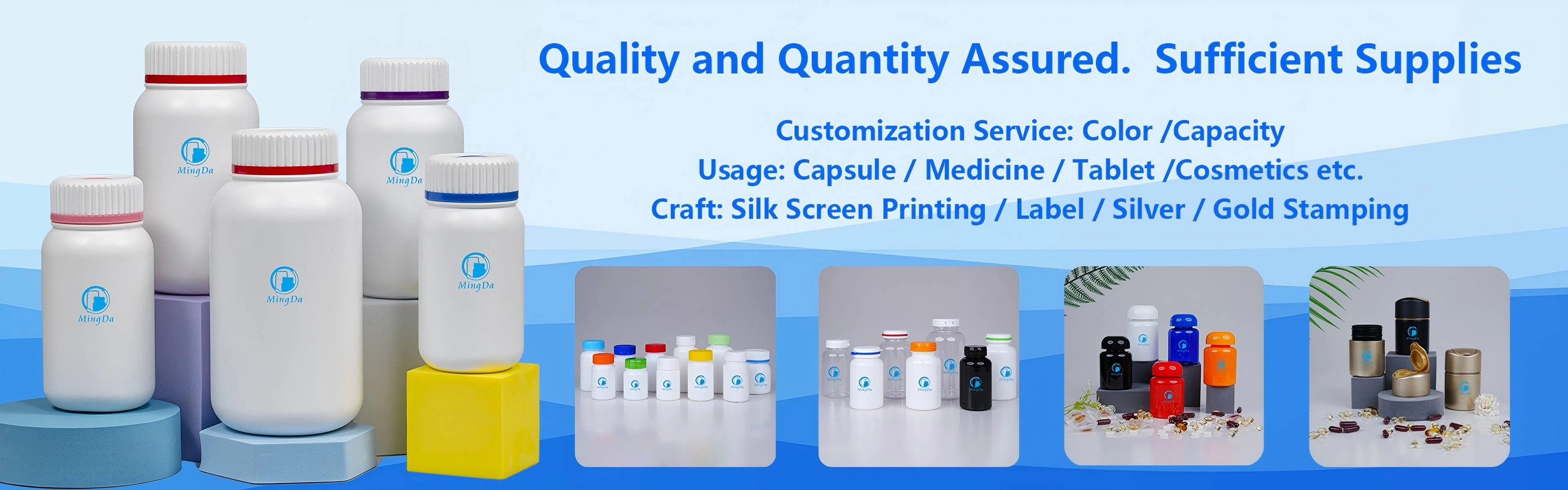
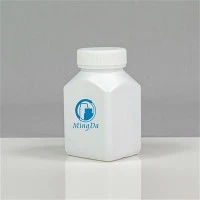
Let's start with the basics. Polypropylene (PP) is a thermoplastic polymer known for being lightweight, durable, and resistant to chemicals and moisture. It's often used in food containers, medical supplies, and bottle caps, which already tells you a lot about its safety profile.
PP plastic is considered food-grade and non-toxic when produced according to safety standards. It's approved by the U.S. Food and Drug Administration (FDA) and meets international regulations for food contact materials. That means it doesn't leach harmful chemicals into your drink under normal conditions.
Why Manufacturers Use PP for Bottles
PP bottles are not only affordable but also practical for various liquid products - from drinking water to nutritional supplements and pharmaceuticals.
Here are some reasons why manufacturers (including Hubei Mingda Plastics Products Co., Ltd.) choose PP:
Excellent temperature resistance: PP can handle hot filling up to around 100°C and is also stable in low temperatures.
Chemical stability: It doesn't react with most acids, bases, or organic solvents.
Durability: It's strong, flexible, and resistant to cracking - perfect for long-term use.
Lightweight: Ideal for portable water bottles and travel containers.
These properties make PP a versatile and reliable option for both industrial and consumer packaging.

BPA-Free and Food-Grade - What It Really Means
When you see "BPA-free" on a bottle label, it's referring to bisphenol-A, a compound found in some plastics like polycarbonate (PC). PP plastic does not contain BPA at all. It's naturally free from that substance, so you don't have to worry about hormonal effects or leaching under normal use.
That's why PP water bottles are considered safe for daily hydration, especially if used for cold or room-temperature water. However, it's still wise to avoid exposing them to extreme heat for long periods - such as boiling or microwaving - as that can slightly affect the material structure over time.
Environmental Considerations
From an environmental perspective, PP has an advantage - it's recyclable. It's usually marked with the recycling symbol "#5". Many recycling facilities now accept PP bottles, which helps reduce waste.
Still, the best approach is to reuse PP bottles as much as possible before recycling them.
If you're sourcing PP bottles for your business, especially for food or supplement packaging, make sure your supplier provides materials certified under ISO and FDA standards. A good example is Mingda's PP and HDPE bottle range, where every product passes sealing and safety tests before shipment.
Final Thoughts
So, is PP plastic safe for water bottles?
Yes - when made with certified food-grade materials, PP is one of the safest plastics available for water and beverage storage. It's non-toxic, durable, lightweight, and BPA-free. Just remember to use it within its recommended temperature range and follow proper cleaning practices to extend its lifespan.