



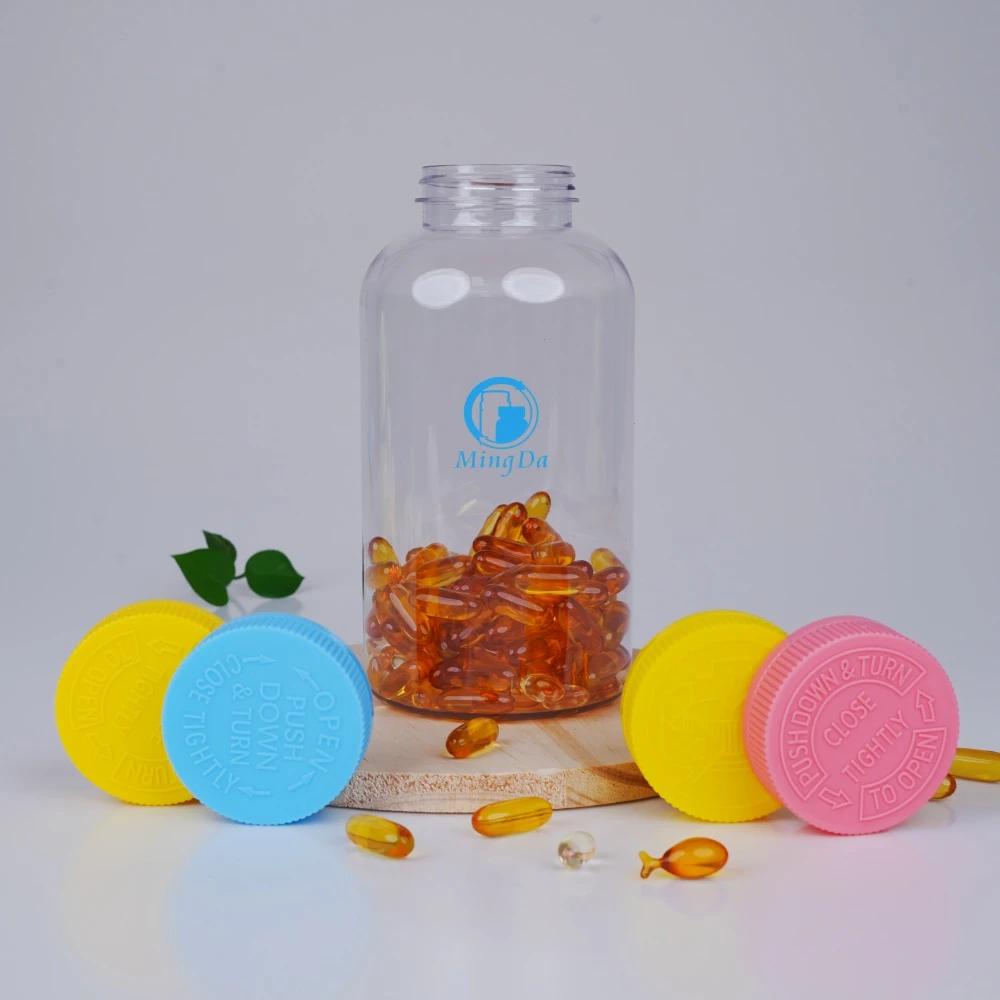
PET (Polyethylene Terephthalate) is one of the most commonly used plastics in the world, especially in the packaging industry. It's widely known for its transparency, durability, and recyclability. But when it comes to cost, many people wonder: Is PET a cheap plastic?
The Cost Perspective
Compared to some engineering plastics like polycarbonate (PC) or polyoxymethylene (POM), PET is relatively affordable. Its price is competitive largely due to its large-scale production and wide availability of raw materials. However, PET is not the cheapest plastic on the market. Plastics like HDPE (High-Density Polyethylene) and PP (Polypropylene) are often more economical in applications that don't require transparency or high strength.
Why PET Isn't Always "Cheap"
While PET may seem low-cost for simple bottles and containers, several factors can influence its actual price:
- Raw material prices fluctuate with global oil markets.
- Processing equipment (such as injection stretch blow molding machines) for PET is more specialized than for HDPE.
- Post-consumer recycling and FDA compliance for food-grade PET can also add costs.
In short, PET offers a balance of price and performance. It's more affordable than many high-performance plastics, but slightly more expensive than commodity plastics like HDPE.

Key Advantages That Justify Its Cost
Even if PET isn't always the cheapest option, its value for money is high, thanks to these advantages:
- Crystal-clear appearance for showcasing products
- Strong barrier properties against moisture and gas
- Lightweight yet impact-resistant
- Recyclable, contributing to a circular economy