

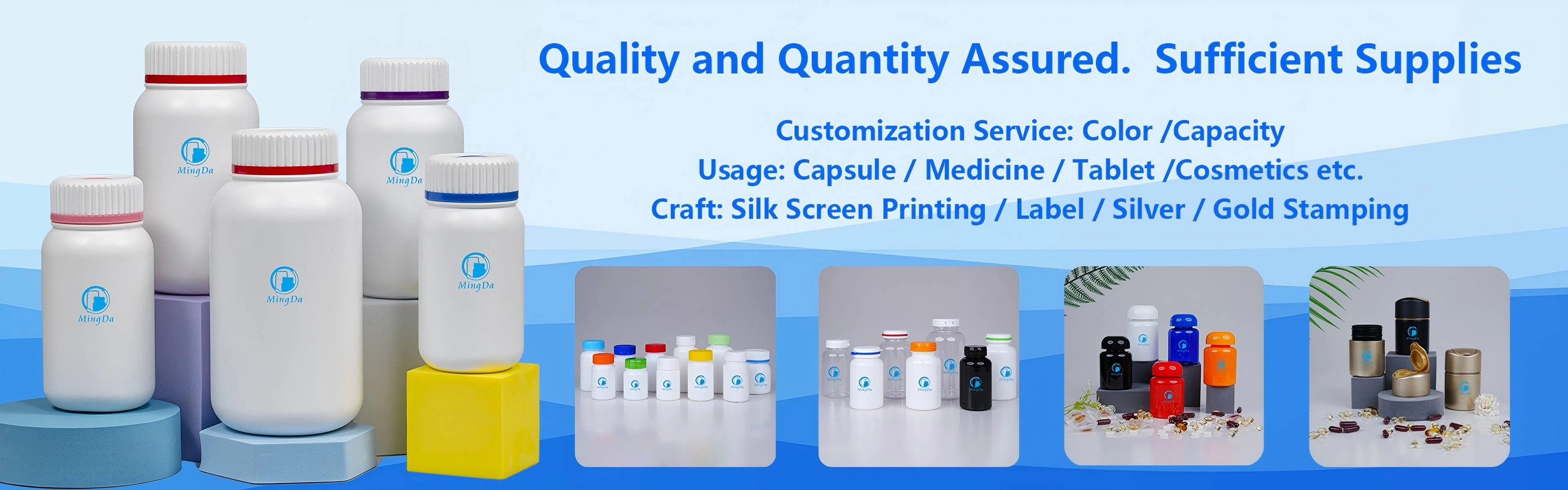

When it comes to plastic materials used in packaging, containers, and piping, two commonly used options are HDPE (High-Density Polyethylene) and PVC (Polyvinyl Chloride). Both materials are widely available and versatile, but when safety is a top concern-particularly in food, medical, or consumer applications-is HDPE safer than PVC?
This article offers an objective, fact-based comparison between HDPE and PVC from a safety perspective, helping buyers, manufacturers, and product developers make informed decisions.
1. What Is HDPE?
HDPE stands for High-Density Polyethylene, a thermoplastic polymer made from petroleum. It's known for being:
Lightweight yet strong
Resistant to moisture, chemicals, and UV
Commonly used in food packaging, water containers, medical bottles, and toys
Fully recyclable (Resin Identification Code #2)
HDPE is generally regarded as non-toxic and food-safe. It doesn't leach harmful chemicals under normal use conditions.
2. What Is PVC?
PVC stands for Polyvinyl Chloride, a plastic that can be either rigid or flexible depending on the additives used. It's widely used in:
Plumbing pipes
Cable insulation
Medical tubing
Construction materials (windows, flooring)
While PVC is durable and cost-effective, it typically requires additives-including plasticizers like phthalates or stabilizers containing heavy metals-which may raise health and environmental concerns, particularly if not properly formulated.
3. HDPE vs PVC: Safety Comparison
| Aspect | HDPE | PVC |
|---|---|---|
| Food Safety | FDA-approved for food contact | Not typically used for food containers |
| Chemical Leaching | Very low under normal conditions | Potential leaching of additives, especially when heated |
| Toxicity | Considered non-toxic | May release dioxins when burned |
| Additives Needed | Minimal | Often requires plasticizers, stabilizers |
| Recyclability | Easily recyclable (#2) | More difficult to recycle (#3), fewer programs accept it |
| Environmental Impact | Low emissions during production | High chlorine content increases environmental risks |
4. Regulatory Perspective
Many global safety organizations-including the FDA (U.S. Food & Drug Administration) and EFSA (European Food Safety Authority)-recognize HDPE as safe for food and pharmaceutical use. In contrast, PVC is restricted in certain food-contact and children's products, particularly in Europe, due to concerns over vinyl chloride monomer residues and additive migration.
Some countries and regions have also moved toward banning PVC in specific consumer applications, especially where safer alternatives like HDPE exist.
5. Use Case Recommendations
For food packaging, medical containers, or children's toys:
HDPE is the preferred material due to its chemical stability, low toxicity, and regulatory approval.
For underground pipes, construction, or cable insulation:
PVC is still commonly used but must be handled carefully in production and disposal.
Tip for Buyers and Brands:
If your business prioritizes sustainability, food safety, or consumer health, opting for HDPE-based packaging can reduce regulatory risk and improve product credibility.