

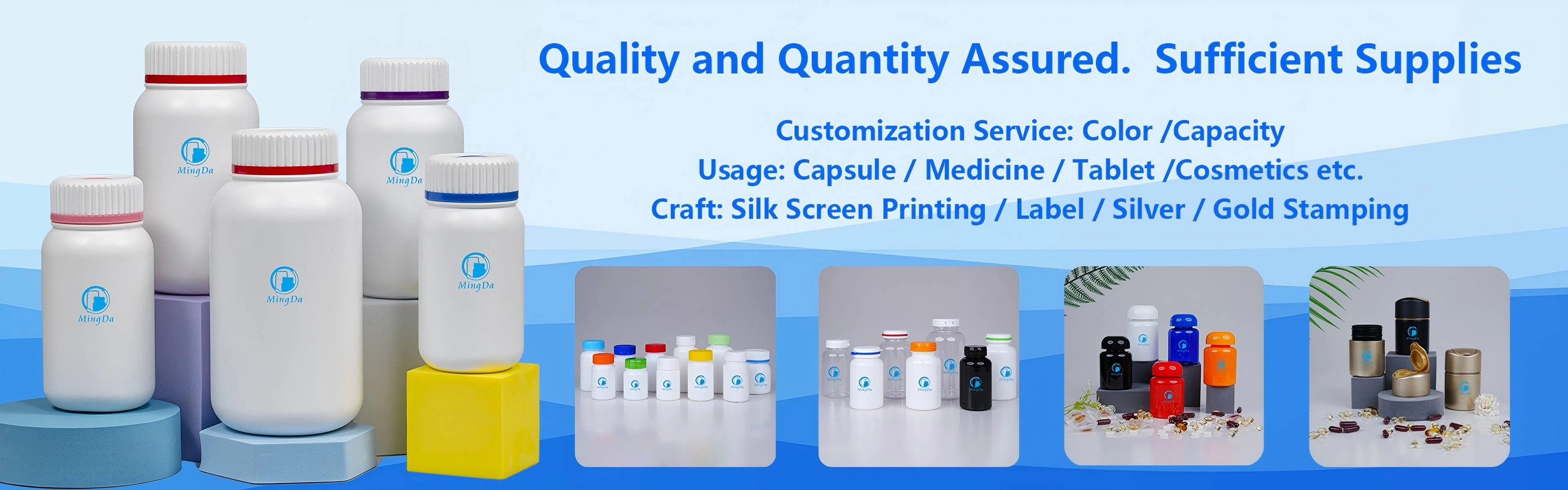
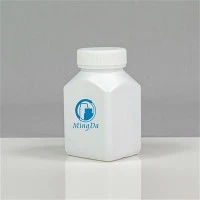
Plastic packaging bottles have become an indispensable form of packaging in modern life, widely used across industries such as food, daily chemicals, and pharmaceuticals. The diversity and characteristics of the materials used directly impact the product's shelf life, safety, and marketability. This article systematically analyzes the core advantages, potential drawbacks, and typical applications of common plastic bottle materials, as well as explores the industry's environmental development trends.
1. Classification and Comparison of Mainstream Plastic Bottle Materials
1.1 PET (Polyethylene Terephthalate)
PET is known for its high transparency and excellent toughness, commanding over 30% of the global plastic packaging market. Its excellent gas barrier properties help maintain carbonation in beverages, commonly found in carbonated drink bottles, mineral water bottles, and cosmetic packaging. However, PET has poor high-temperature resistance and requires special treatment for hot filling, with repeated heating potentially releasing trace harmful substances.

1.2 PP (Polypropylene)
PP material has a wide temperature resistance range (-20°C to 120°C), making it suitable for microwave meal containers and baby bottles. It is chemically stable and resistant to most acids and alkalis but is more brittle at low temperatures. PP's market share in food packaging has shown continuous growth.

1.3 HDPE (High-Density Polyethylene)
HDPE is known for its excellent corrosion resistance and processing performance, commonly used in opaque packaging such as milk bottles and cleaning product bottles. With a recycling rate of up to 90%, HDPE is considered an environmentally friendly plastic, although its low transparency limits its use in display-type packaging.

2. Core Advantages and Potential Drawbacks of Plastic Packaging Bottles
2.1 Significant Advantages
Cost Advantage: The production cost of plastic bottles is only 1/3 to 1/2 that of glass bottles.
Molding Flexibility: Complex shapes can be achieved through blow molding, injection molding, and other processes.
Convenient Transportation: The lightweight nature reduces logistics costs (e.g., a 500ml plastic bottle weighs only 20-30g).
Barrier Properties: Multi-layer co-extrusion technology enhances oxygen and water vapor barrier properties.
2.2 Major Drawbacks
Environmental Burden: Natural degradation takes hundreds of years, leading to significant microplastic pollution.
Heat Stability: Susceptible to deformation at high temperatures (e.g., PET bottles withstand only up to 70°C).
Material Aging: UV exposure can lead to brittleness and cracking.
Homogenized Competition: Basic bottle designs often lack differentiation.
3. Typical Application Areas and Technical Adaptation Solutions
3.1 Food Packaging
| Application Scenario | Preferred Material | Key Technical Points |
| Carbonated Beverage Bottles | Bi-axially oriented PET | Multi-layer co-extrusion to enhance gas barrier |
| Edible Oil Bottles | HDPE + EVOH barrier layer | UV-blocking additives |
| Sauce Bottles |
|
High-temperature cooking process resistance |
3.2 Daily Chemical Product Packaging
In the daily chemical sector, both display appeal and functionality are important. Shampoo bottles typically use high-transparency PET with anti-theft cap designs; cleaning agent bottles use HDPE for enhanced impact resistance; and cosmetic bottles are coated with acrylic to improve decorative effects.
3.3 Pharmaceutical Packaging Applications
Pharmaceutical bottles must meet GMP certification standards. PP material is FDA-certified for food contact and is suitable for solid drug packaging, while PET bottles are equipped with desiccant chambers for storing humidity-sensitive drugs.
4. Environmental Trends and Technological Innovation Directions
4.1 Material Innovation Pathways
Biobased Plastics: Degradable materials such as PLA and PHA are being used in high-end packaging.
Recycling Technology: Chemical recycling methods allow closed-loop utilization of waste PET.
Lightweight Design: Finite element analysis optimizes bottle structures, reducing material usage by 15-20%.
4.2 Policy Support and Market Dynamics
EU packaging tax policies are driving the development of degradable materials, while China's "Plastic Pollution Control Regulations" require a 30% replacement rate of degradable plastics by 2025. Brands such as Coca-Cola have introduced recycled PET bottles, and Walmart requires suppliers to provide sustainable packaging solutions.
5. Consumer Purchasing and Usage Guidelines
When purchasing plastic bottle products, consumers should consider:
Check for Recycling Labels: PET (1), HDPE (2), and PP (5) are food-grade safe materials.
Avoid Reuse: Especially with single-use beverage bottles, as re-filling may encourage bacterial growth.
Pay Attention to Storage Conditions: High temperatures accelerate the risk of plasticizers leaching out.
Support Eco-friendly Brands: Choose products that use recycled materials or biodegradable packaging.
Plastic packaging bottles, as a product of modern industrial civilization, offer irreplaceable advantages in convenience and economy. With advancements in material science and the improvement of environmental regulations, the future of plastic packaging will move towards greener and smarter development. Consumers, businesses, and policymakers need to collaborate to build a sustainable plastic circular economy system.