

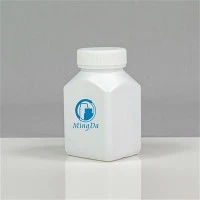
Plastic bottles often come with labels, adhesives, paint marks, or strong glues that can be difficult to remove. Whether you're reusing containers or preparing them for resale or recycling, it's important to clean them properly without damaging the plastic. Below are practical, proven methods for removing various types of residues from plastic bottles.
1. How to Remove Regular Glue from Plastic Bottles
Warm Soapy Water
Soak the bottle in warm water (40–60°C) with mild dish soap for 10–20 minutes. Most water-based adhesives will soften and come off easily with a soft cloth or sponge.
Vegetable Oil
Apply olive oil or any cooking oil to the glue area and let it sit for a few minutes. The oil will help loosen the adhesive. Wipe off with a cloth.
2. How to Remove Strong Adhesives (e.g., Super Glue, Industrial Glue)
Isopropyl Alcohol or Acetone
Dab a cotton ball or cloth with isopropyl alcohol or acetone and gently rub the glue. These solvents can break down strong adhesives like cyanoacrylate.
※ Important: Acetone may damage some plastics. Always test on a small hidden area first.
Commercial Adhesive Removers
Industrial-grade glue removers are designed to break down tough adhesives. Make sure the remover is plastic-safe before applying.
3. How to Remove Paint from Plastic Bottles
Paint Thinner or Solvent
For paint marks on durable plastics like HDPE or PET, apply a small amount of paint remover or solvent with a cloth and gently rub. Avoid soaking.
Rubbing Alcohol or Turpentine (Milder Option)
If you're concerned about surface damage, try rubbing alcohol or turpentine. These can gradually dissolve most paint without harming the plastic.
4. How to Remove Sticky Label Residue
Hair Dryer Method
Use a hair dryer on high heat for 20–30 seconds to soften the adhesive, then peel off the label and wipe the area with a soft cloth.
Baking Soda + Oil Paste
Mix baking soda and cooking oil into a paste, apply it to the sticky residue, and let it sit for 5–10 minutes. Wipe clean with a paper towel.
5. Extra Tips for Safe Cleaning
Avoid Abrasive Tools
Do not use steel wool or hard scrapers-they can damage or scratch the plastic surface.
Test Before Full Application
Always test any solvent or cleaner on a small, hidden part of the bottle before applying it to the entire surface.
Work in a Ventilated Area
Many cleaners and removers emit fumes. Ensure good ventilation and keep away from open flames.