

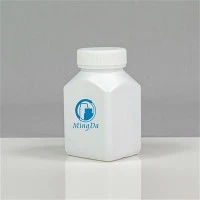
1. Capacity Defines the Use Scenario
The first step in selecting a protein powder bottle is understanding how and where your customers use the product.
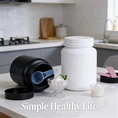
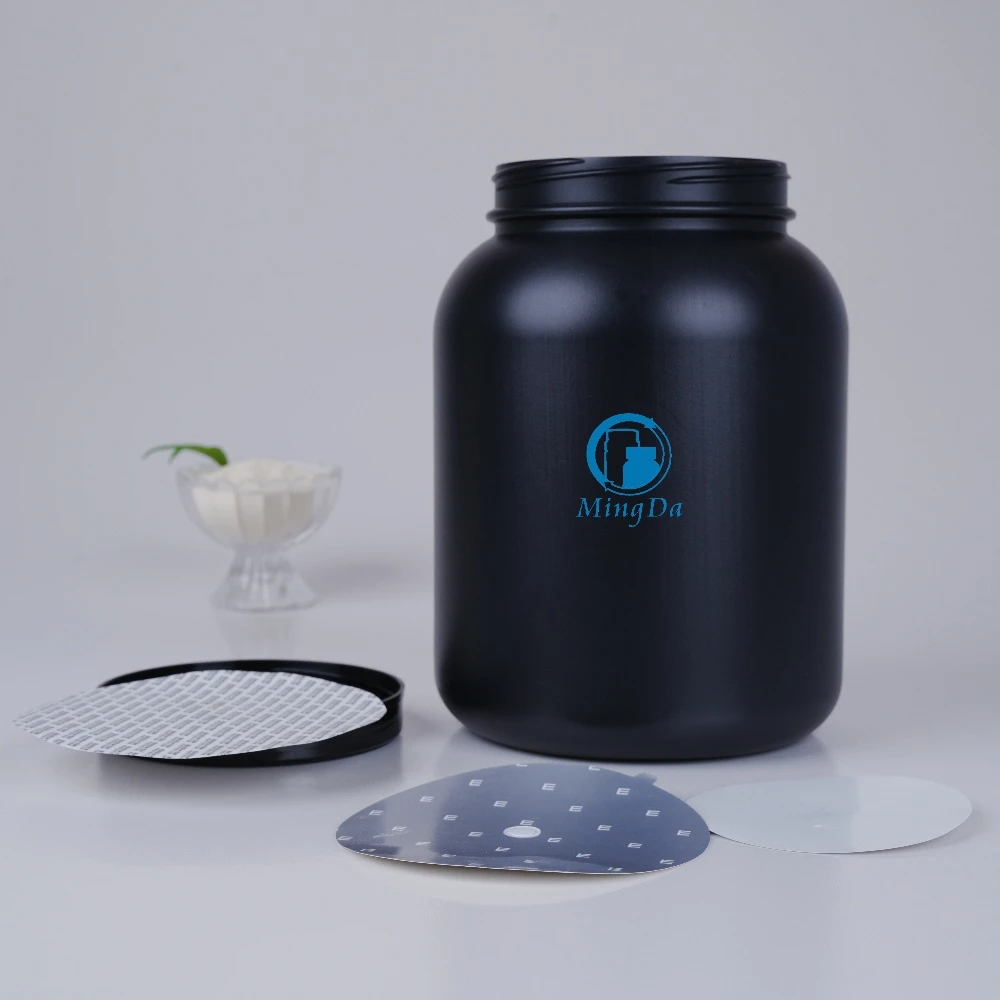
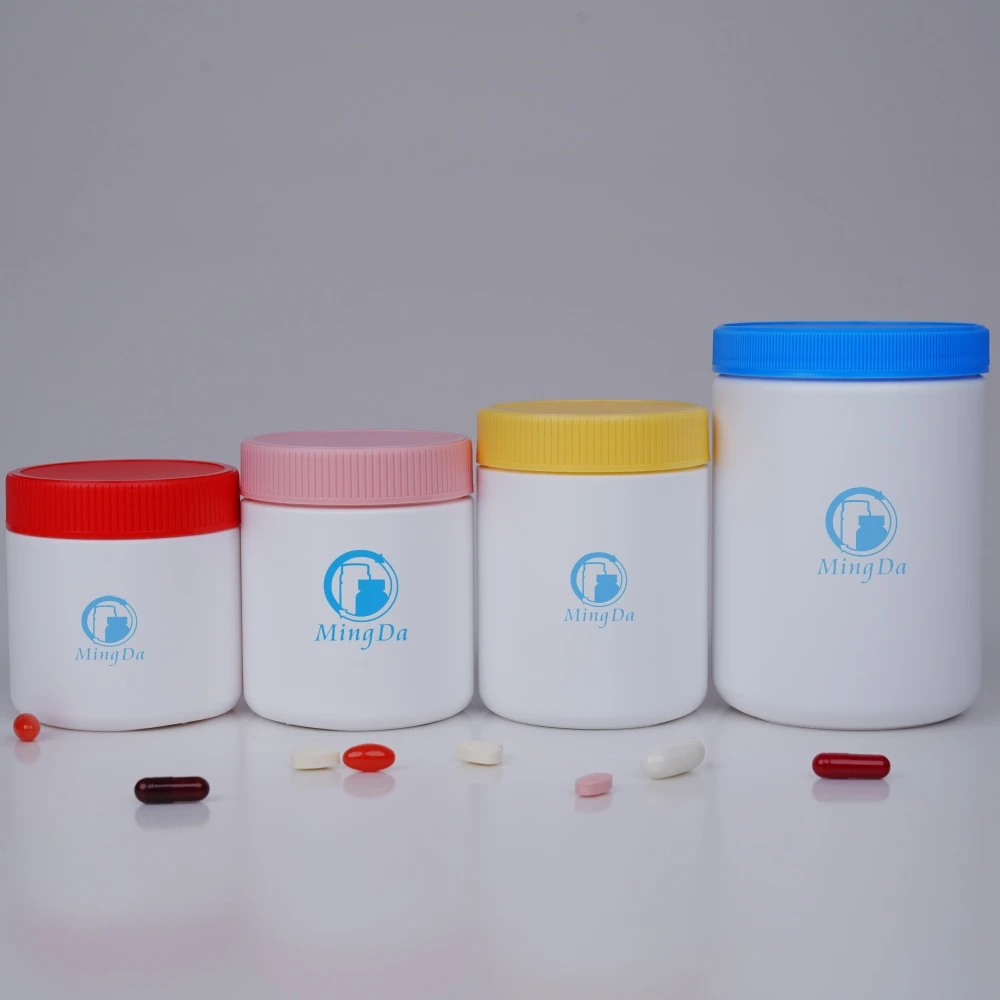
Large capacity (1L–7L): Used for gyms, professional athletes, and long-term household storage.
Medium capacity (500ml–1000ml): Common for daily users, meal replacement powders, or multi-nutrient products.
Small capacity (250ml–400ml): Suitable for samples, travel packs, or one-week supply bottles.
As a professional plastic bottle manufacturer, we always recommend that brands evaluate both powder weight and shelf appearance. A bottle that looks "perfectly filled" creates a sense of reliability and quality-something every supplement brand should aim for.
2. Powder Density and Bottle Design
Protein powders differ in density depending on their formula. Whey protein tends to be light and fluffy, while plant-based or blended powders are denser.
This means that the same 500g of product can require different volumes-whey protein may need a 1000ml bottle, while pea protein might only need 750ml.
3. Bottle Neck, Seal, and Scoop Compatibility
The bottle's neck size should match the intended use.
Common neck diameters include 97mm, 110mm, and 120mm, which determine how easily consumers can scoop powder and how well the sealing film fits.
If your brand plans to include a scoop inside the bottle, it's best to consult your factory during the design phase to confirm there's enough internal space for smooth use and a proper seal.
4. Logistics and Storage Considerations
For export-oriented brands, bottle size also affects shipping and storage efficiency.
Large bottles look impressive but take up more container space, while smaller ones reduce freight costs but increase packaging time.
A professional bottle manufacturer will perform stacking, drop, and vibration tests to ensure the packaging remains intact during international transportation.
These quality reports are often valuable for customs clearance or customer documentation.
5. Pairing with Accessories: 250ml PP Shaker Cup
More brands now pair their protein powder bottles with a shaker cup to create a complete user experience.

At Mingda Factory, we supply 250ml PP shaker cups, a popular and practical option:
Made of PP plastic – safe, odor-free, and heat-resistant;
Compact 250ml size – portable and convenient for on-the-go mixing;
Suitable for promotional bundles or standalone sales.
This "protein powder bottle + shaker cup" combination has become a global trend, enhancing brand professionalism and perceived value.
6. Material and Certification – The Foundation of Brand Trust
Bottle size is only part of the equation. Material quality and production standards are equally important.
Your supplier should operate under internationally recognized systems such as ISO9001, ISO22000, and FDA certification.
Bottles made from PET or HDPE materials offer excellent moisture resistance, sealing performance, and shape stability under various temperature conditions.
As a reliable plastic packaging producer, we conduct multiple quality tests before shipment-dimensional checks, sealing tests, torque testing, and drop tests-to ensure every bottle performs perfectly from factory to shelf.
7. Conclusion: Bottle Size Is a Strategic Brand Decision
Choosing the right protein powder bottle size is more than a technical decision-it's a reflection of your brand's market positioning and user experience strategy.
From powder density and logistics to cost and design, every factor plays a role.
By working closely with an experienced plastic packaging manufacturer, you can achieve the perfect balance between function, cost, and aesthetics-resulting in packaging that truly supports your brand vision.