

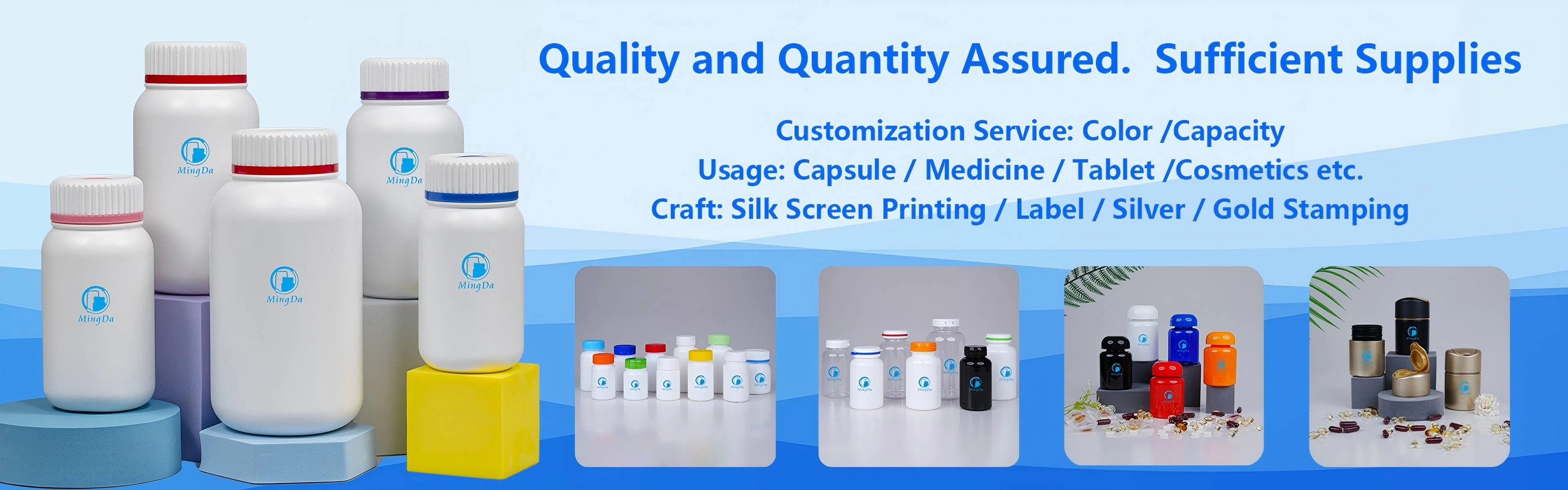



Choosing the right HDPE bottle for powders, capsules, tablets, or liquids requires more than just looking at the material or appearance. Capacity, shape, mouth size, wall thickness, and cap type directly impact storage, safety, and user experience. A thoughtful selection can improve product quality, transport stability, and customer satisfaction. This guide provides detailed, actionable advice for selecting HDPE bottles for supplements, powders, and other healthcare products.
Understand Product Form and Characteristics
Before selecting an HDPE bottle, I analyze product attributes carefully:
- Powder products: Protein powders or supplement powders need wide-mouth HDPE jars for easy scooping and precise machine filling. Particle size and clumping tendencies determine the ideal mouth diameter.
- Tablet products: High-density tablets require appropriately sized bottle mouths to prevent jamming. I calculate capacity based on tablet volume and quantity, leaving 15–20% extra space.
- Capsule products: Hard or soft capsules need 10–15% extra space to maintain packaging integrity.
- Liquid products: Liquids require narrow-mouth HDPE bottles with leak-proof caps, considering viscosity, density, and filling temperature.
I also consider sensitivity factors: light-sensitive ingredients require opaque or white HDPE containers; moisture-sensitive powders need tight, reliable caps; oxygen-sensitive supplements benefit from thick walls or inner foil seals. Usage frequency matters: disposable products use lightweight HDPE bottles, while long-term storage requires thicker walls, and frequent access demands durable caps.

Determine Bottle Capacity
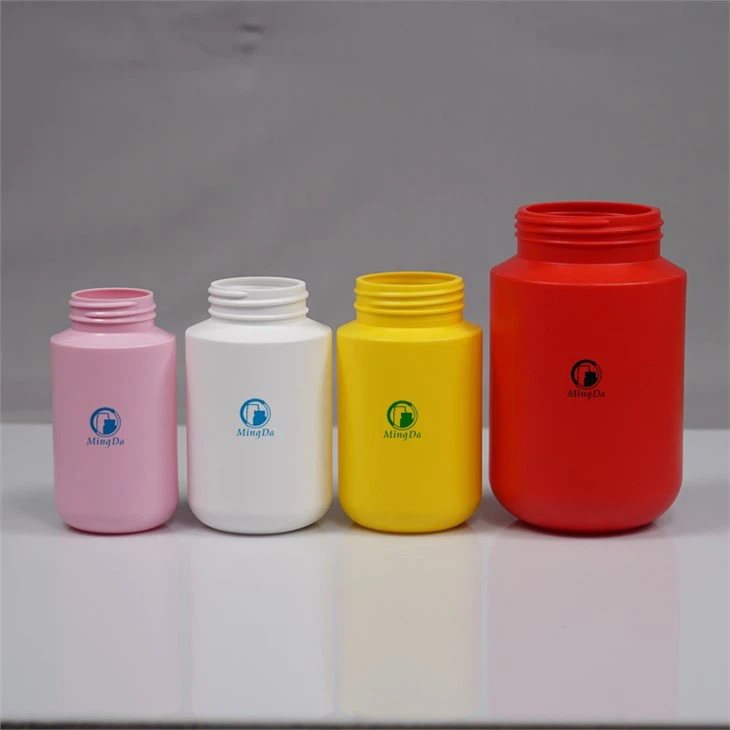
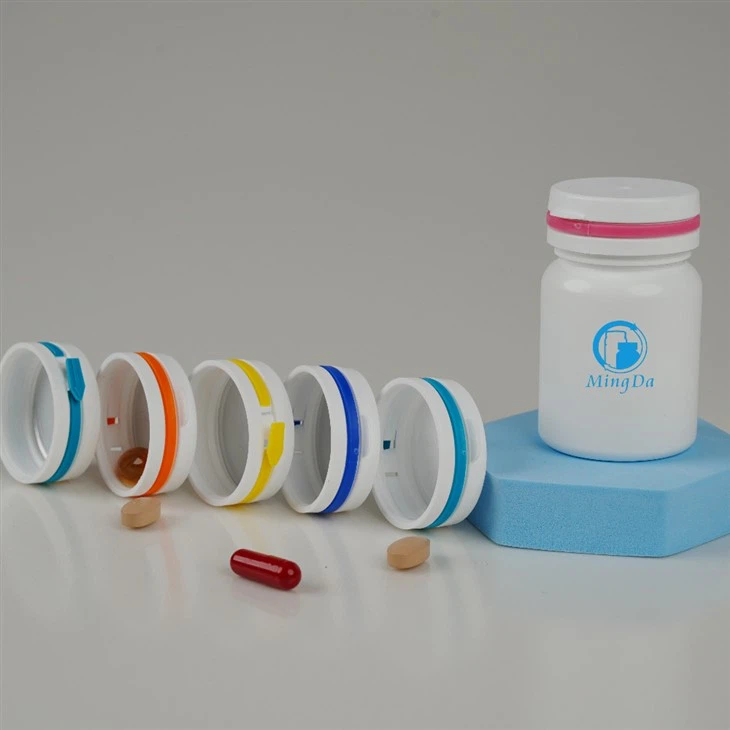
Capacity affects filling efficiency and user experience:
- Capsules: Multiply capsule count by single capsule volume, then add 10–15% extra space for easy filling and transport.
- Tablets: Add 15–20% space to prevent crushing during transit.
- Powders: Large volumes require wide-mouth HDPE jars for convenient scooping.
- Liquids: Add 5–10% safety margin to prevent overflow or air bubbles.
Testing samples is essential. Filling powder, capsules, or liquid into a prototype bottle ensures capacity matches real product needs and prevents waste or costly errors.
Choose Bottle Mouth Type for Convenience
Bottle mouth design impacts both user experience and filling efficiency:
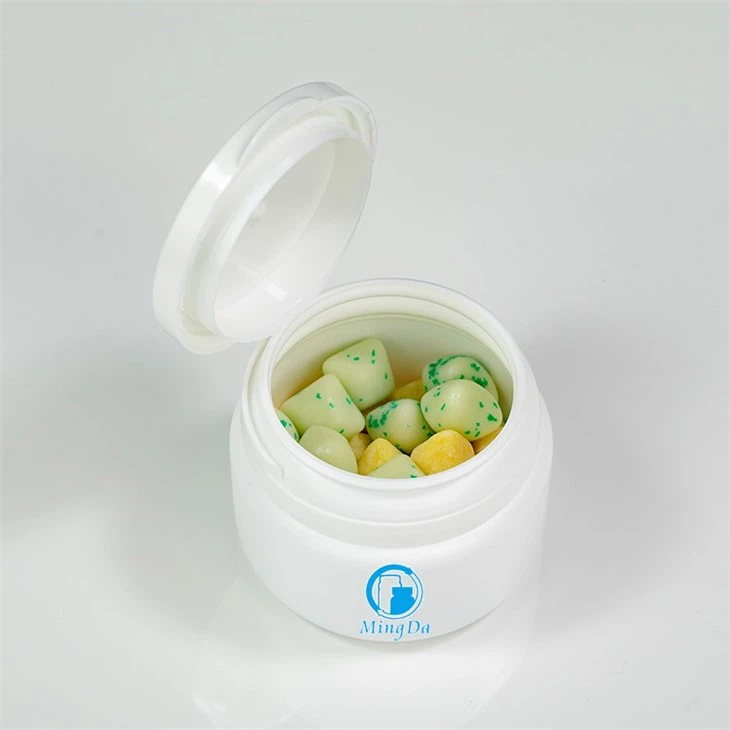
- Wide-mouth: Ideal for powders, tablets, capsules, and supplement containers; allows easy scooping or machine filling.
- Narrow-mouth: Best for liquids to control flow and prevent spills.
- Special designs: Tamper-evident, child-resistant, or double-layer caps enhance safety and extend shelf life.
- Equipment compatibility: Verify filling nozzle diameter matches bottle mouth for smooth production.
Select Bottle Shape for Transport and Display
Shape influences stacking, transport, and shelf presentation:
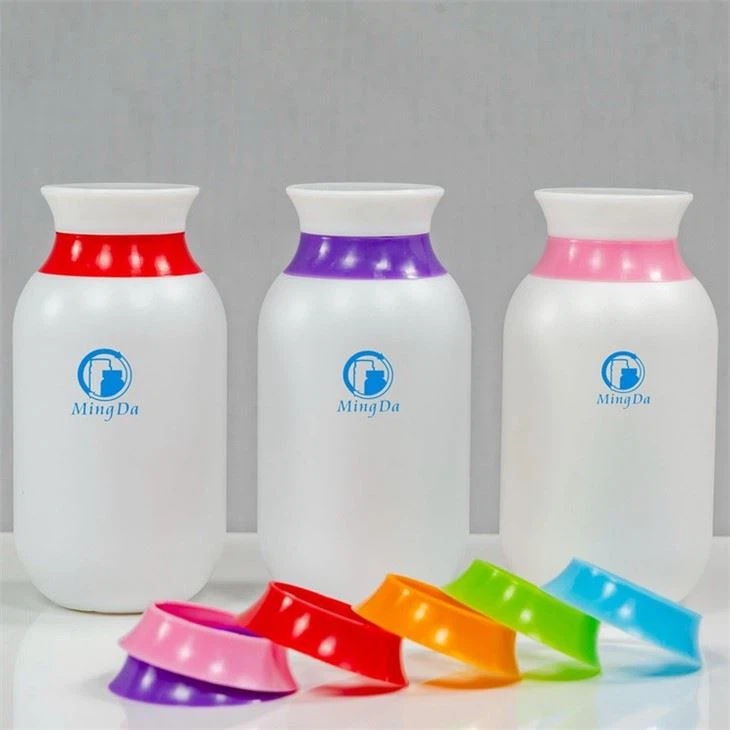
- Round bottles: Stable and versatile for powders, capsules, and supplements.
- Square bottles: Efficient stacking, saves warehouse space, ideal for export shipments.
- Wide-mouth cylinders: Perfect for powder containers.
- Bottles with handles: Large powders or liquids are easier to carry and pour.
Balance transport safety, shelf display, and user convenience to select the right shape.
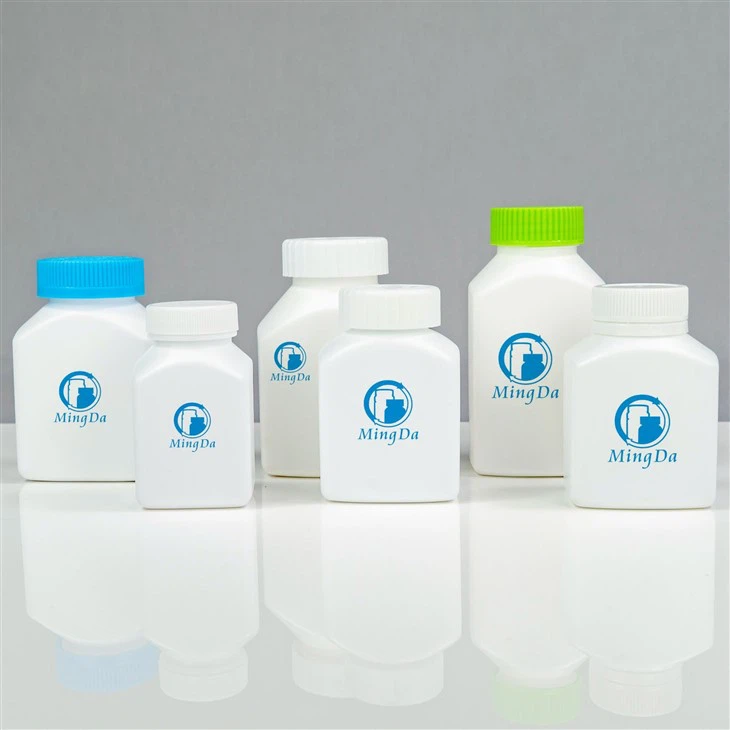
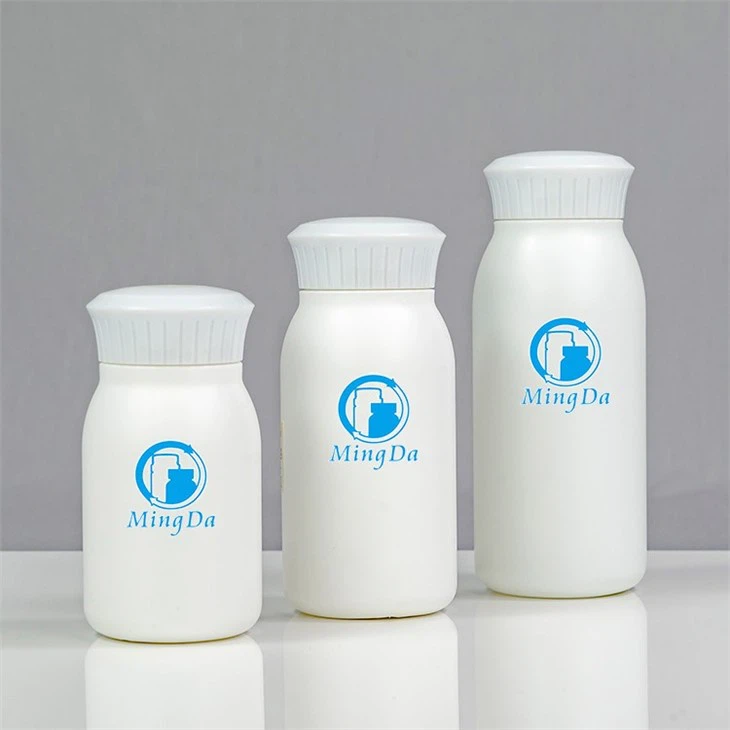

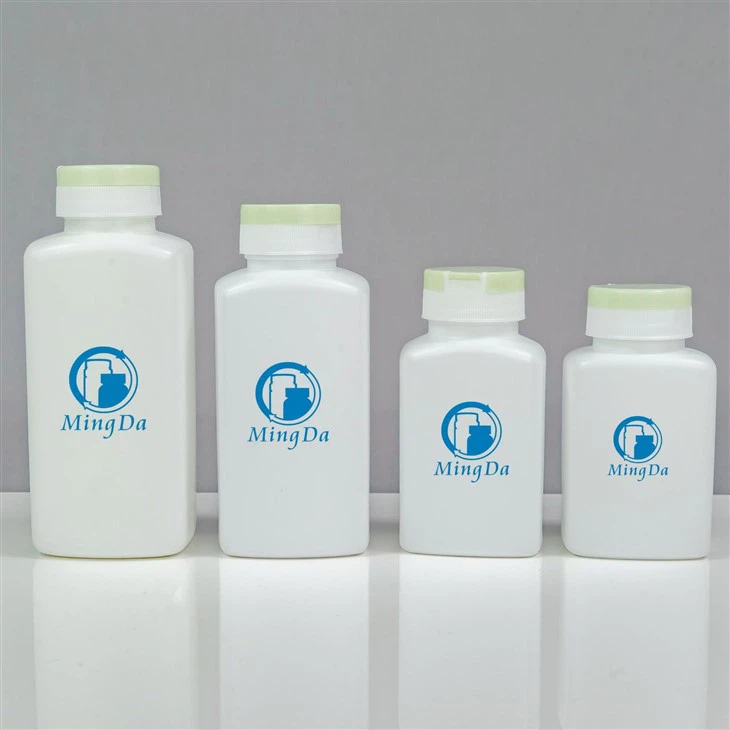

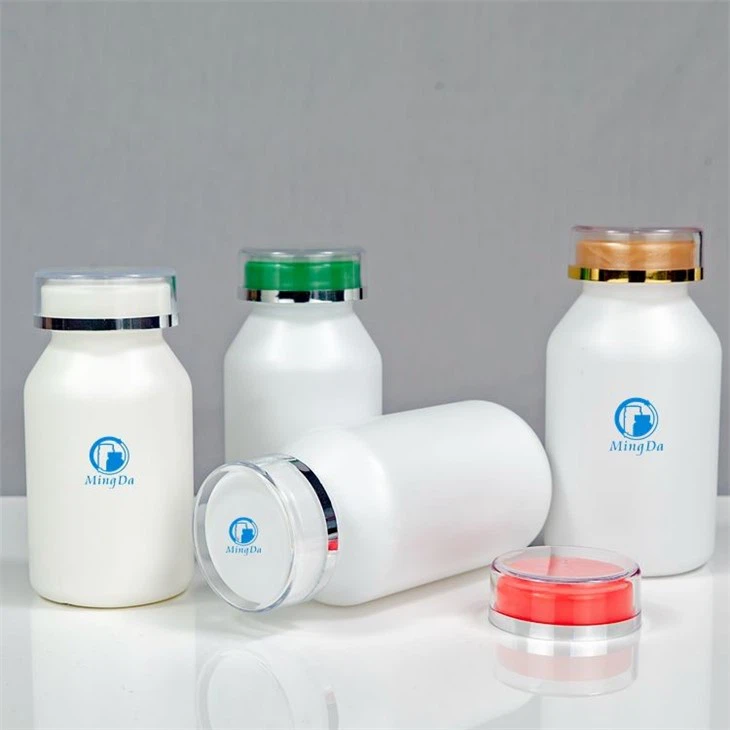

Wall Thickness and Material Grade
Wall thickness and HDPE grade determine durability, protection, and compliance:
- Standard thickness: Suitable for general food or supplement products.
- Thick walls: Recommended for long-distance transport, high-end supplements, or powder containers.
- Material grade: Always select FDA-approved or food-grade HDPE.
- Additional features: Light resistance, oxygen barrier, or heat tolerance can be achieved through wall thickness, color, or material modifications.
Request material certificates and wall thickness test reports to ensure quality and compliance.
Cap and Sealing System
Caps and sealing systems impact safety, shelf life, and customer confidence:
- Cap types: Safety, tamper-evident, double-layer, child-resistant.
- Seal liners: Aluminum foil, pressure-sensitive, heat-seal.
- Matching logic: Liquid HDPE bottles require narrow-mouth + leak-proof liner; powders use wide-mouth + easy-open cap.
Test sample caps for smooth opening and sealing performance before large orders.
Quality Standards and Safety Requirements
Focus on:
- FDA, ISO, or food-grade certifications.
- Torque, drop, and seal tests.
- Compatibility with filling lines, capping machines, and labeling systems.
- Long-term stability under storage conditions.
These ensure HDPE bottles are reliable during storage, transport, and use.

Detailed Pre-Purchase Checklist
Follow these steps before bulk procurement:
- Verify sample capacity: Fill powder, capsules, or liquid to check volume.
- Cap and mouth test: Smooth operation, no leaks or jamming.
- Check certifications: FDA, ISO, or food-grade.
- Simulate transport and stacking: Confirm stability.
- Confirm customization: Color, logo, mold feasibility, and no interference with filling.
- Equipment compatibility: Bottle mouth fits filling, capping, and labeling lines.
- Test long-term stability: Simulate storage to check deformation or leaks.
- Small batch validation: Confirm parameters before large-scale procurement.
Quick Decision Framework
Use this to select HDPE bottles efficiently:
Product type → Capacity & Mouth
Market → Shape & Appearance
Brand positioning → Wall thickness & Material
User experience → Mouth & Cap
Safety → Seal liner
Supply chain → Sample testing & Transport
This ensures fast, reliable selection with minimized risk.
Conclusion
Choosing an HDPE bottle requires attention to material, capacity, shape, wall thickness, cap type, and sealing system. By following this guide, I can select bottles that ensure safety, stability, and user satisfaction. This process minimizes procurement risks while maximizing product presentation and customer confidence.