



In nutraceutical packaging, the container does much more than hold the product. It protects quality, communicates trust, and plays a key role in compliance. Over the past few years, I've noticed one packaging format becoming increasingly common across supplements, capsules, tablets, and powders: cylindrical tear-strip jars.
They look simple, but choosing the right manufacturer behind them is not.
Many suppliers can produce round plastic jars. Far fewer truly understand tamper-evident tear-strip structures, food-grade requirements, and long-term production consistency. This article breaks down what actually matters when choosing a cylindrical tear-strip jar manufacturer and highlights five representative suppliers worth understanding before making a decision.
Why Cylindrical Tear-Strip Jars Are Becoming the Industry Standard
Cylindrical tear-strip jars didn't appear overnight, but their adoption in the nutraceutical sector has accelerated for good reasons.
First, tamper evidence is obvious and intuitive. A tear strip gives consumers immediate visual confirmation that the product hasn't been opened before. That reassurance matters, especially in health-related products.
Second, the cylindrical shape works perfectly with automated filling lines. From filling and capping to labeling and packing, round jars stay stable at high speeds and reduce production issues.
Third, they scale easily across product types. The same structural logic works for small capsule bottles, medium tablet jars, and large powder containers, which simplifies packaging management for growing brands.
Because of these advantages, many nutraceutical companies now treat tear-strip jars as a default choice rather than a premium option.


What I Look for When Evaluating Cylindrical Tear-Strip Jar Manufacturers
When I compare suppliers, I focus less on marketing language and more on practical performance. These are the questions I always ask:
- Does the tear strip open smoothly and consistently across batches?
- Does the manufacturer understand moisture control and sealing for supplements?
- Can they balance customization with reliable lead times?
- Do they have real mass-production experience, not just sampling capability?
- Are they familiar with export requirements and food-contact compliance?
Based on these criteria, the following five manufacturers represent different, realistic sourcing paths.
Five Representative Cylindrical Tear-Strip Jar Manufacturers
1. Berry Global (USA)
Category: Global packaging group
Berry Global is often one of the first names international nutraceutical brands encounter. Its cylindrical PET and HDPE containers can be paired with tamper-evident or tear-strip closures and are widely used across food and health products.
Best suited for:
- Large, established brands
- Companies seeking standardized global packaging solutions
Things to keep in mind:
- High minimum order quantities
- Limited flexibility for customization
- Less practical for small or fast-moving projects
Berry sets a solid industry benchmark, but it isn't always the most efficient option.
2. Amcor (Multinational)
Category: Sustainability-focused packaging supplier
Amcor brings strong material expertise to cylindrical packaging, especially for recyclable PET solutions. Brands with sustainability targets or ESG commitments often consider Amcor early in the sourcing process.
Strengths:
- Mature material systems
- Strong global footprint
Limitations:
- Longer development cycles
- More complex communication and approval processes
Amcor works best for long-term, well-defined projects rather than rapid launches.
3. Kinki Yoki (Japan)
Category: Precision-driven manufacturer
Japanese manufacturers are known for structural precision, and Kinki Yoki reflects that strength. Its cylindrical containers emphasize highly consistent tamper-evident performance, often used in pharmaceutical and premium nutraceutical packaging.
My take:
- Excellent consistency and tight tolerances
- Strong compliance mindset
- Higher cost and longer lead times
This option fits brands that prioritize structural reliability above speed or flexibility.
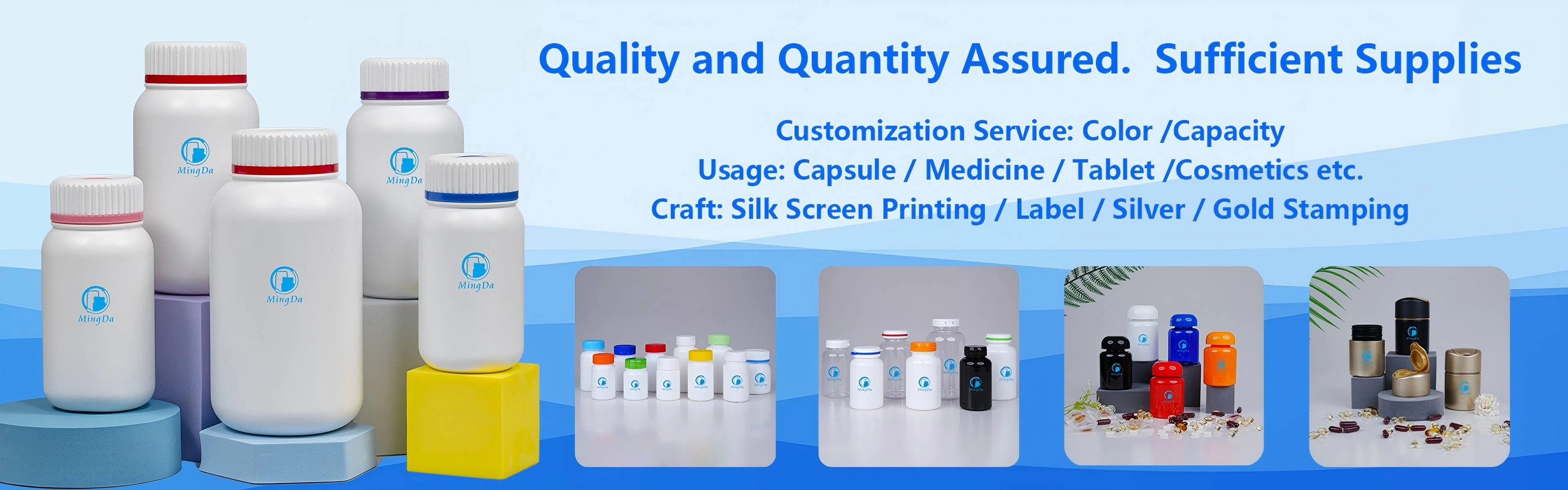
4. Hubei Mingda Plastics Products Co., Ltd. (China)
Category: Experienced nutraceutical packaging manufacturer
After comparing multiple suppliers, I've found that well-established Chinese manufacturers often offer the most balanced solution when it comes to quality, cost, lead time, and customization. Hubei Mingda is a strong example.
Why Mingda stands out:
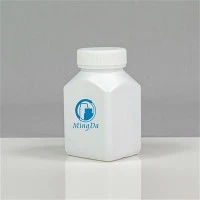
- Specializes in HDPE and PET cylindrical jars for nutraceutical use
- Mature tear-strip and sealing system combinations
- Capable of both trial orders and long-term mass production
- Familiar with FDA, ISO, and export-oriented quality requirements
- Understands real-world production challenges, not just product design
For nutraceutical brands that need reliable quality without sacrificing flexibility or cost control, this type of manufacturer makes practical sense.


5. Flexible OEM Manufacturers in China
Category: Customization-focused suppliers
There is also a group of small to mid-sized OEM manufacturers, mainly in coastal China, known for:
- Low MOQs
- Fast sampling
- Quick customization turnaround
They can be a good fit for early-stage brands or market testing. However, buyers should pay closer attention to consistency control and long-term scalability.
Practical Advice for Buyers
When sourcing cylindrical tear-strip jars for nutraceutical products, I recommend a step-by-step approach:
- Define the basics clearly: capacity, material, export markets, and moisture protection needs
- Request samples and test the tear strip by hand: this step reveals more than any spec sheet
- Verify certifications and testing processes, not just certificate names
- Start with a trial order to evaluate communication and delivery reliability
- Move to long-term pricing only after stability is proven
Final Thoughts
Choosing the right cylindrical tear-strip jar manufacturer is ultimately a decision about safety, compliance, and long-term reliability. These jars have become a standard expectation in nutraceutical packaging, and the real difference lies in how well a supplier executes the details at scale.
A manufacturer that understands structure, export requirements, and real production workflows will always outperform one that simply offers a lower price.