


When companies start sourcing packaging, the first search is often simple:
"custom plastic bottle manufacturers"
or even:
"plastic bottle supplier near me"
At this stage, most buyers assume suppliers mainly differ in price and delivery time.
But in real production, the differences only become obvious later-during sampling, mass production, and repeat orders.
Why "Manufacturer" Is Not Just a Title
Not every company calling itself a manufacturer actually controls full production.
Some only coordinate orders. Others operate full in-house systems including molding, production, and quality control.
This difference directly affects:
- production stability
- lead time reliability
- customization ability
- defect rate consistency
In practice, buyers usually only notice this after their first or second batch.
The Hidden Cost Behind "Cheap Unit Price"
At first glance, comparing bottle manufacturing companies often feels like a pricing exercise.
However, in plastic packaging, lower unit price can sometimes lead to higher hidden costs later:
- inconsistent bottle weight between batches
- unstable cap compatibility
- color variation in repeat orders
- higher rejection rate during filling
Even a small defect rate difference matters. In many factories, the typical defect rate during stable production is around 1–3%, depending on product complexity and mold condition.
What Lead Time Really Looks Like in Plastic Bottle Manufacturing
One of the most overlooked factors in sourcing is production lead time.
In reality, delivery time depends heavily on whether you are using existing molds or custom molds.
Stock bottle (existing mold):
- 7–15 days production time in normal conditions
- can extend to 15–25 days during peak season or high-volume scheduling
Custom mold bottle:
A full development cycle usually includes:
Mold design: 7–15 days
Mold fabrication: 20–45 days
Sampling & adjustment: 7–10 days
Production setup: 3–7 days
→Total timeline: 30–60 days is normal, and more complex structures may take longer.
This is why experienced buyers plan packaging decisions much earlier than product launch dates.
MOQ Is Not a Pricing Strategy
Many first-time buyers question why MOQ requirements exist at all.
In reality, MOQ is closely tied to production efficiency.
Plastic bottle manufacturing involves machine setup, material preparation, and calibration. These steps remain almost the same whether producing 1,000 or 10,000 units.
Typical industry MOQ ranges:
- 5,000–10,000 pcs for standard bottles
- 10,000–25,000 pcs for custom colors
- 25,000+ pcs for fully customized molds
Small batches often result in higher unit cost due to setup time and material loss during adjustment.
For example, machine cleaning and color changeover can take 30–90 minutes, depending on material type and pigment strength.
The Hidden Complexity of Color Matching
Color customization looks simple from a buyer's perspective.
But in real production, pigment consistency and machine residue make it more complex than expected.
For instance:
- light colors are usually scheduled before dark colors
- food-grade natural materials are separated from high-pigment batches
- color changeovers always involve material loss and downtime
This is why custom colors often require higher MOQ compared to standard transparent or white bottles.
Why "Near Me" Is Not Always Better
Searches like plastic bottle supplier near me often come from a desire for faster communication and logistics.
However, proximity does not guarantee production capability.
A nearby supplier without stable in-house manufacturing may still rely on outsourced production, which can increase variability.
Meanwhile, a distant but integrated manufacturer may provide more consistent output due to controlled production systems.
The key question is not location, but:
How stable is the production system across multiple batches?
Mold Library: A Factor Most Buyers Underestimate
Manufacturers with a strong mold library can offer existing bottle designs without new tooling.
This affects:
- development speed
- upfront investment cost
- sampling cycles
For many custom plastic bottle manufacturers, "custom" does not always mean fully new design. In many cases, customization is achieved through:
- color adjustment
- cap selection
- surface treatment or labeling changes
This approach reduces time-to-market significantly, especially for startups.
PET or HDPE Is Not a Branding Decision
Material selection is often misunderstood as a branding choice.
In reality, it is a functional decision.
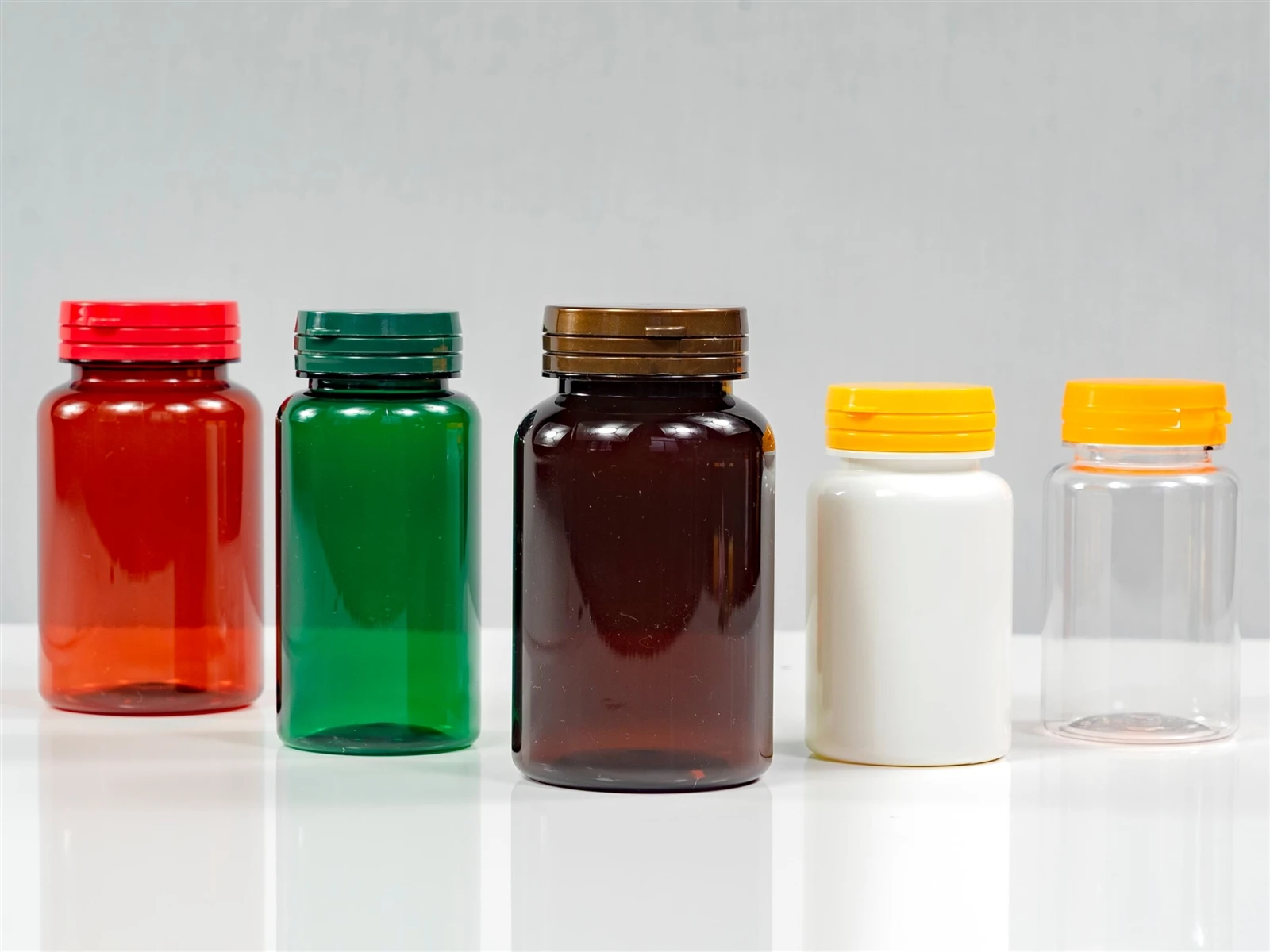
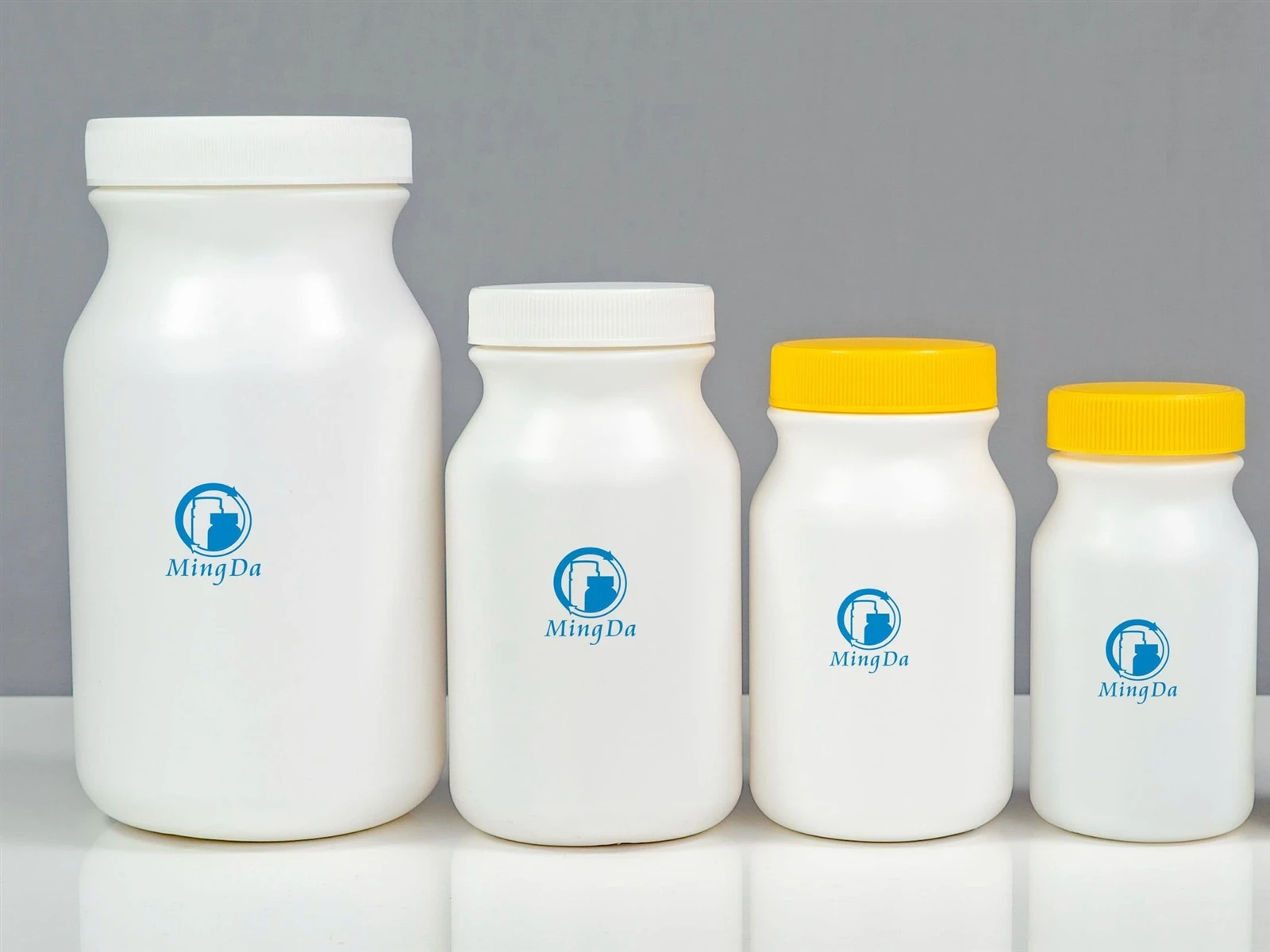
- PET bottles are commonly used for beverages, juices, fish oil, and products where transparency matters
- HDPE bottles are widely used for vitamins, protein powders, and products requiring stronger chemical resistance or light protection
The correct choice depends on product stability, storage conditions, and filling requirements-not appearance alone.
Equipment Capability Still Matters
Some buyers also explore plastic bottle manufacturing machine or even check fully automatic plastic bottle making machine price to understand production cost structure.
However, equipment alone does not guarantee quality.
What matters more is:
- machine stability
- operator experience
- production parameter control
- maintenance consistency
A well-managed older production line often performs more reliably than a poorly operated newer system.
What Experienced Buyers Actually Ask
Instead of focusing only on price, experienced buyers usually ask:
- Is production fully in-house or partially outsourced?
- What is your defect control rate during mass production?
- How do you manage color consistency across batches?
- Can existing molds be used for pilot production?
- What is the typical repeat order lead time?
- How do you handle urgent specification changes?
These questions reveal far more than a quotation sheet.
When a Manufacturer Becomes a Long-Term Partner
For most beverage, supplement, and food brands, packaging is not a one-time purchase.
It is a continuous supply chain relationship.
A reliable manufacturer supports:
- product scaling
- packaging optimization
- seasonal demand changes
- new product development
This is why many long-term buyers prioritize stability over minor price differences.
Final Thought
Choosing between bottle manufacturing companies is not only about cost comparison.
It is about understanding production stability, mold availability, and long-term scalability.
A good supplier does not just deliver bottles.
They reduce uncertainty in your supply chain.