

A Real Packaging Decision Case Behind Material Selection
A Packaging Choice That Looks Simple but Requires More Thinking
When developing a new dietary supplement product, many brands spend most of their time focusing on formulation, ingredients, and marketing strategy. Packaging is often considered only after the product itself is almost ready.
However, based on my experience working with supplement packaging projects, I have found that choosing the right bottle is not as simple as many brands initially expect.
The material, structure, and sealing design of a bottle can directly influence product protection, transportation stability, and the overall consumer experience.
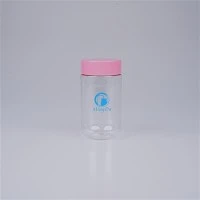
I once worked with a supplement brand that was preparing to launch a new vitamin product. During the early discussion stage, the brand strongly preferred transparent PET bottles. Their reason was understandable: they believed that transparent packaging could allow consumers to see the product inside, create a stronger sense of trust, and provide better visual performance on e-commerce platforms.
This idea was not wrong.
For many consumer products, packaging appearance plays an important role in purchasing decisions. A well-designed package can help a product stand out among competitors and create a stronger first impression.
However, after learning more about their product requirements, I realized that appearance alone could not determine the best packaging choice.
The product would be sold in overseas markets and needed to go through long-distance transportation. Consumers would also open the bottle frequently during daily use. In addition, the product required a relatively long storage period.
These factors meant that the packaging needed to do more than simply look attractive.
It needed to maintain product stability throughout transportation, storage, and daily usage.
This is also why many supplement brands need to carefully evaluate PET and HDPE bottles before making a final decision.
The question is not simply:
"Which material is better?"
The more important question is:
"Which material is more suitable for this specific product?"


Why a Simple Bottle Selection Often Requires Reconsideration
When many brands choose supplement packaging for the first time, they often begin with appearance.
This is understandable.
In today's competitive supplement market, consumers usually make quick judgments based on visual presentation. A clean, professional, and attractive package can influence whether customers decide to learn more about a product.
PET bottles have a clear advantage in this area.
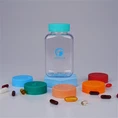
Transparent PET packaging provides excellent visibility and a glossy appearance. Consumers can directly see the product inside, which can create a feeling of cleanliness and quality.
For some supplement brands, especially those focusing on premium positioning, modern design, or retail visibility, PET bottles provide strong marketing value.
I have seen many new supplement brands choose PET bottles because they want their products to look more premium and different from traditional supplement packaging.
This strategy can work well.
However, packaging value does not only exist before purchase. It also continues throughout the entire product lifecycle.
A bottle may look impressive on a website or retail shelf, but if it cannot provide reliable protection during transportation or storage, the brand may face unexpected problems later.
For example, many supplement products need to travel long distances before reaching consumers. An international shipment may include factory handling, warehouse storage, ocean transportation, local distribution, and final delivery.
During this process, packaging needs to handle different conditions, including temperature changes, vibration, pressure, and long storage periods.
This is where packaging performance becomes increasingly important.
When evaluating PET and HDPE bottles, I usually suggest that brands do not start with the question:
"Which bottle looks better?"
Instead, they should first consider:
"What challenges does my packaging need to solve?"
Understanding Product Requirements Can Change the Final Packaging Decision
In the case mentioned earlier, the brand eventually reconsidered its original PET bottle plan after analyzing the product requirements in more detail.
The reason was not because PET was unsuitable.
The reason was that HDPE better matched the actual application.
HDPE, or High-Density Polyethylene, is one of the most widely used materials in pharmaceutical and supplement packaging.
Its biggest advantage is stability.
Compared with transparent PET bottles, HDPE bottles usually provide stronger impact resistance and better structural durability. During transportation, the bottle can better handle external pressure and possible impacts while maintaining its shape.
For international supplement brands, this advantage is especially valuable.
After leaving the manufacturing facility, products often go through multiple stages:
- Production and packaging;
- Warehouse storage;
- International transportation;
- Local distribution;
- Consumer usage.
Problems at any stage can increase costs and affect customer satisfaction.
For example, if bottles become deformed, caps become loose, or packaging is damaged during transportation, the brand may face additional expenses related to replacement, complaints, and customer service.
For larger-volume supplement products, HDPE bottles also provide practical advantages.
Products such as:
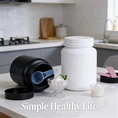
Protein powder;
Nutritional powder;
Large-size capsule supplements;
often require stronger packaging structures because they are heavier and usually have a longer usage cycle.
In these situations, brands often pay more attention to questions such as:
Can the packaging protect the product throughout transportation?
Can the bottle maintain good performance during long-term storage?
Can the supplier provide stable quality for future orders?
These factors may become more important than transparency or visual appearance.


When PET Bottles Are Still the Right Choice
Although HDPE bottles offer strong advantages in many supplement applications, this does not mean every brand should choose HDPE.
In fact, PET bottles remain an important packaging solution for many supplement products.
For brands that focus heavily on product presentation and consumer visual experience, PET bottles can still be the better option.
For example, a new nutrition brand targeting younger consumers may want its product to stand out through packaging design. On e-commerce platforms, where customers often make decisions based on images before they physically see the product, transparent PET bottles can help create a stronger visual impact.
The ability to display the product inside can also support brand communication. Some companies want customers to immediately recognize the product color, capsule appearance, or overall quality through the package.
In these situations, PET bottles can provide additional marketing value.
PET is also suitable for products with shorter supply chains or relatively stable transportation conditions. If a product does not require extremely long storage periods and the brand has carefully evaluated environmental conditions, PET can be an effective choice.
From my perspective, PET and HDPE are not competitors where one material completely replaces the other.
They are solutions designed for different application scenarios.
PET is often chosen when brands want to improve product visibility and strengthen market appeal.
HDPE is often chosen when brands prioritize durability, protection, and long-term stability.
The most experienced brands do not simply follow market trends. They evaluate their own product characteristics before making a decision.
Many Buyers Overlook One Important Point: The Bottle Is Only Part of the Packaging System
During packaging discussions, I often notice that many buyers focus almost entirely on the bottle material.
They compare:
- PET bottle prices;
- HDPE bottle prices;
- Bottle colors;
- Bottle sizes.
These factors are important, but the bottle itself is only one part of the complete packaging system.
The cap, liner, and sealing method can also significantly influence the final packaging performance.
For example, even if a bottle has good material properties, an unsuitable closure system may affect the overall sealing performance.
This is especially important for dietary supplements because many products need to maintain quality for long periods, and consumers usually open the bottle repeatedly during daily use.
A supplement bottle is not opened only once after purchase. It may be opened dozens or even hundreds of times during its entire usage period.
Therefore, the packaging needs to maintain reliable protection throughout the product lifecycle.
I have worked with projects where customers initially believed the problem came from the bottle material. After further analysis, we found that the real issue was related to the cap design or sealing solution.
This experience taught me that choosing the right bottle material is only the first step.
A professional packaging supplier should not only provide PET or HDPE bottles. The supplier should also understand how different packaging components work together.
When selecting a packaging partner, buyers should not only ask:
"Can you provide PET bottles or HDPE bottles?"
They should also ask:
"Do you understand my product requirements?"
"Can you help reduce packaging risks?"
"Can you provide a complete packaging solution?"
These questions are often more valuable than simply comparing material prices.
How Experienced Supplement Brands Make the Final Decision
After working with different supplement packaging projects, I have noticed a clear difference between new brands and experienced brands.
New brands often focus on:
Packaging price;
Appearance;
What competitors are using.
Experienced brands usually consider more long-term factors:
Product lifecycle;
Consumer usage habits;
Transportation environment;
Supply stability.
They understand that a packaging decision can influence product performance for years.
Before choosing between PET and HDPE bottles, I usually recommend that brands first answer several important questions.
- What type of supplement product will be packaged?
- How long does the product need to be stored?
- Where will the product be sold?
- How long will transportation take?
- How will consumers use the product after purchase?
- What message should the packaging communicate about the brand?
Once these questions are clear, the right packaging direction becomes much easier to identify.
A bottle should not only fit the product today. It should also support the brand's future development.

My Final Advice: Choose the Right Packaging for Your Product, Not the Most Popular Option
PET and HDPE are both reliable packaging materials that have been widely used in the supplement industry.
PET can help brands improve visual presentation and create stronger shelf appeal.
HDPE can help brands improve packaging stability and reduce risks during transportation and storage.
The best packaging choice is not about finding the "best" material.
It is about finding the most suitable solution for the product.
For supplement brands, packaging is more than a container.
It represents the brand's commitment to quality, product protection, and customer experience.
When choosing between PET and HDPE bottles, brands should not only consider today's purchase price or current market trends.
A better approach is to evaluate the entire product journey, from manufacturing and transportation to the moment consumers open the bottle at home.
The right packaging solution can protect the product, strengthen consumer confidence, and create long-term value for the brand.