

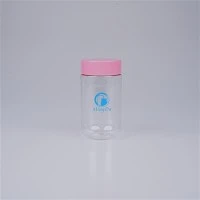
Plastic bottles are a common part of modern life - from drinking water and soft drinks to packaging personal care products. But once discarded, these bottles can persist in the environment for decades, even centuries.
The Short Answer: Around 450 Years
On average, a single-use plastic bottle made from PET (polyethylene terephthalate) takes up to 450 years to decompose in a landfill or the natural environment. Some estimates suggest it may even last longer under certain conditions. During that time, the bottle slowly breaks down into microplastics, which can harm wildlife and ecosystems.
Why Does It Take So Long?
Plastic is designed for durability. PET, one of the most widely used plastics for bottles, is:
Resistant to moisture, bacteria, and chemicals
Lightweight but strong
Not biodegradable - meaning microorganisms cannot break it down naturally
These properties make it ideal for packaging, but they also make disposal a serious environmental challenge.
What Happens During Decomposition?
Plastic decomposition is a slow and passive process, especially in landfills where sunlight, oxygen, and microbial activity are limited. Over time:
UV rays from sunlight cause the plastic to photodegrade - breaking it into smaller fragments.
Mechanical forces like wind and water further break the material apart.
Microplastics remain in soil and water, potentially entering food chains.
Unlike organic waste, plastic does not return to the ecosystem in a harmless form.
Are All Plastic Bottles the Same?
No. Different types of plastic degrade at different rates:
HDPE bottles (used for milk or detergent) also take hundreds of years.
Biodegradable plastics may break down faster, but only under specific industrial composting conditions.
Recycled PET (rPET) helps reduce environmental impact but still behaves like PET if discarded.
What Can Be Done?
1. Recycle Properly
Recycling PET bottles significantly reduces their environmental footprint. Recycled PET can be reused in clothing, containers, and even new bottles.
2. Choose Sustainable Packaging
Support brands that use rPET, bioplastics, or reusable containers.
3. Reduce Single-Use Plastic Consumption
Simple lifestyle changes - like using refillable bottles - can reduce waste at the source.
At Mingda, we focus on creating packaging that is both functional and environmentally conscious. Our PET and HDPE bottles are designed for recyclability, and we offer rPET options for customers seeking sustainable alternatives. By optimizing production and material selection, we aim to reduce the environmental impact of plastic packaging.