

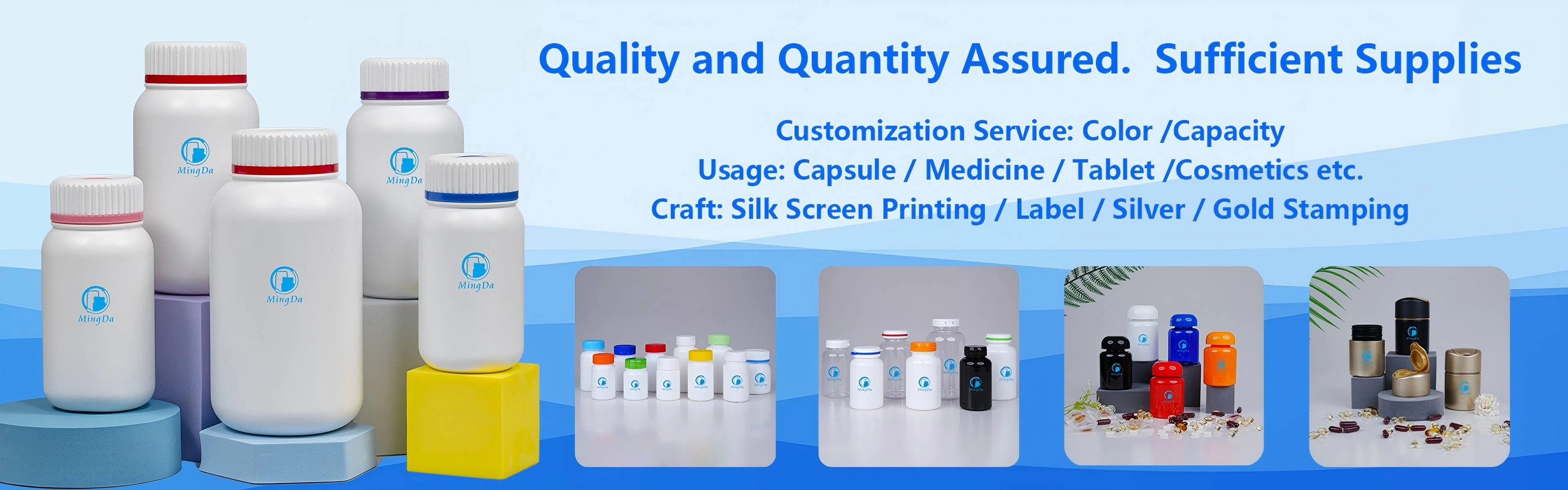

PET bottles are widely used across industries for packaging liquids, powders, and capsules - but how strong are they when it comes to internal pressure or transportation stress?
Structural Design Matters
The strength of a PET bottle depends largely on its design and manufacturing process, including:
- Bottle wall thickness and uniformity
- Shape design (e.g., round vs. square)
- Neck finish and cap compatibility
- Blow molding quality and cooling control
These factors determine whether the bottle can maintain its shape and sealing performance under normal use and logistics conditions.
Pressure Resistance: A Case-by-Case Issue
There is no standard pressure that applies to all PET bottles, as different bottle sizes and uses require varying specifications.
For example:
- Bottles for carbonated drinks or vacuum-packed products are designed with added strength.
- Bottles used for dry contents like capsules or powders typically do not require high pressure resistance, but need good sealing integrity.
- Factors like ambient temperature and storage conditions also affect performance.
- Rather than claiming a specific pressure value, it's more practical to conduct real-use testing for each product scenario.
Quality Testing Is Essential
At Mingda, every PET bottle design goes through multiple functional tests, such as:
- Sealing tests under a vacuum environment
- Drop tests simulating logistics handling
- Torque tests to ensure proper cap fit
- Vibration tests to simulate transport movement
These tests help verify the overall durability and reliability of the packaging, ensuring the container performs well throughout the supply chain.