


What is PET (Polyethylene Terephthalate)?
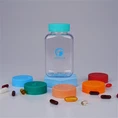
PET is a clear, strong, and lightweight plastic that's widely used in packaging. It's commonly found in drink bottles, food containers, and even textiles. PET is known for its high chemical resistance, making it ideal for packaging liquids like juices, soda, and cosmetics. It's also highly transparent, which makes it a popular choice for products where visibility is important.
What is HDPE (High-Density Polyethylene)?
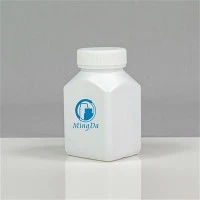
HDPE is a rigid, durable plastic that's commonly used in packaging for products like milk cartons, detergent bottles, and other household items. HDPE is known for its high strength-to-density ratio, making it one of the most versatile plastics available. It's resistant to impact, moisture, and chemicals, which makes it perfect for both consumer and industrial packaging.
Key Physical Properties of HDPE and PET
HDPE:
Durability: HDPE is known for its toughness and impact resistance.
Flexibility: Although rigid, HDPE can handle some bending without breaking.
Density: It has a higher density than most plastics, which makes it stronger and more resistant to environmental stress.
Moisture Resistance: HDPE is resistant to water and chemicals, which helps protect the contents inside.
PET:
Clarity: PET is highly transparent, allowing consumers to easily see the contents of the package.
Chemical Resistance: It resists a wide range of chemicals, including oils and alcohols.
Lightweight: PET is lightweight, making it a good choice for reducing shipping costs.
Strength: While not as tough as HDPE, PET still offers excellent strength and impact resistance.
Sustainability and Recycling Advantages of HDPE and PETBoth HDPE and PET are recyclable, but they have different recycling processes and environmental impacts.
HDPE Recycling:
Widely Recycled: HDPE is one of the most widely recycled plastics in the world.
Environmental Impact: It has a lower environmental impact compared to some other plastics, and its recyclability helps reduce waste.
PET Recycling:
Recyclability: PET is also widely recyclable, and many companies have started to use recycled PET in their products.
Sustainability: PET can be recycled multiple times without losing its quality, making it an excellent choice for sustainability.
Common Uses of HDPE and PET
HDPE:
Milk and Juice Bottles: Because of its strength and moisture resistance, HDPE is commonly used for packaging dairy products and beverages.
Cleaning Products: HDPE's chemical resistance makes it ideal for packaging household cleaners and detergents.
Plastic Bags: HDPE is often used to make plastic bags for groceries and other retail items.
PET:
Beverage Bottles: PET is the go-to material for soft drink, water, and juice bottles.
Food Packaging: It's used in packaging for ready-to-eat meals, snacks, and other food products that need to be visible to consumers.
Cosmetic Containers: PET is often used for packaging cosmetic products like shampoo and lotion due to its transparency.
Which is Better for Pharmaceutical Packaging: PET or HDPE?
When it comes to pharmaceutical packaging, both PET and HDPE can be suitable, but it largely depends on the type of product being packaged. PET is often used for products that require transparency, such as vitamin bottles or liquid medicines, due to its clear nature. HDPE, on the other hand, is typically used for products that require a more rigid, durable container, such as prescription medicine bottles.
Frequently Asked Questions (FAQ)
1. Are HDPE and PET Waterproof?
Yes, both HDPE and PET are resistant to water, which is why they are commonly used for liquid containers. However, their ability to prevent moisture from entering can vary depending on the thickness of the material.
2. Are HDPE and PET Expensive?
HDPE: Generally, HDPE is less expensive than PET due to its simpler manufacturing process.
PET: PET is slightly more expensive because of its high-quality properties, including transparency and chemical resistance.
3. Can HDPE and PET Be Mixed?
No, HDPE and PET should not be mixed during recycling, as they are different types of plastics with distinct melting points and chemical properties.
4. How Strong Are HDPE and PET?
HDPE: Known for its strength and durability, HDPE is highly resistant to impacts and wear.
PET: While strong, PET is more brittle compared to HDPE but still offers excellent strength for most applications.
Conclusion
Both HDPE and PET are excellent plastic materials, each with their own unique set of benefits. HDPE is great for durability and strength, while PET shines with its clarity and lightweight properties. When choosing between the two, consider factors like your product's visibility, packaging durability, environmental impact, and recycling needs. For pharmaceutical packaging, both can be suitable, depending on your specific requirements.