

Introduction
When it comes to choosing packaging for medicines and supplements, HDPE and PET are two of the most common materials. Both are safe, widely used, and each comes with its own strengths. For pharmaceutical and healthcare manufacturers, choosing the right material isn't just about looks-it's about safety, stability, and compliance.
Let's take a closer look at how HDPE and PET differ, and which one might be the better choice for your product.
HDPE vs. PET - Understanding the Differences
The main purpose of any medicine bottle is to protect the contents. From appearance to chemical resistance and sealing performance, each detail matters. HDPE (High-Density Polyethylene) and PET (Polyethylene Terephthalate) are both excellent options, but they perform differently in practice.
1. Appearance and Transparency

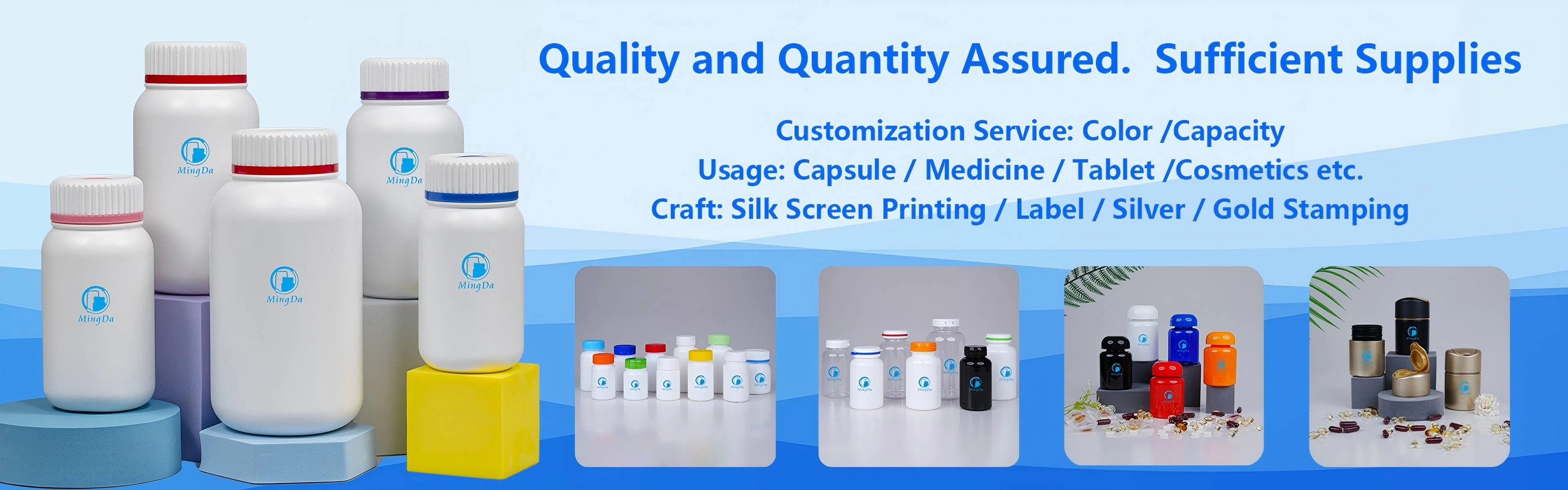
PET bottles are known for their high transparency, allowing consumers to see the contents directly.
This makes them ideal for vitamins, gummies, and dietary supplements where visibility adds appeal.
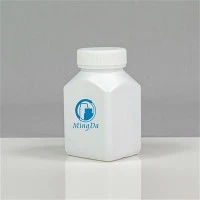
HDPE bottles, on the other hand, are usually white or opaque, offering better light protection.
This helps prevent UV exposure and keeps sensitive pills or capsules stable over time.

In short, if you want to showcase the product, PET is great; if you need to protect the product, HDPE does a better job.
2. Safety and Chemical Stability
HDPE has excellent chemical resistance. It can withstand most acids, alkalis, and solvents, making it safer for pharmaceutical packaging.
PET is also safe, but it's more sensitive to heat and long-term exposure to high temperatures. That's why HDPE is often the preferred choice for prescription or medical packaging, while PET is more common for nutraceuticals and over-the-counter supplements.
3. Manufacturing and Processing
From a factory's point of view, HDPE bottles are easier to produce. The molding process is stable, production efficiency is high, and it fits well with most automatic filling lines.
PET bottles, meanwhile, offer a premium look with glossy surfaces and smooth texture-but their production requires stricter temperature control and slightly higher costs.
That's why many manufacturers choose HDPE for practicality and PET for branding or aesthetic reasons.

4. Sealing and Moisture Resistance
For medicine bottles, sealing performance is critical. HDPE bottles have thicker walls and a more stable neck structure, providing an excellent airtight seal when paired with pressure-sensitive liners or induction foil seals.
PET bottles also seal well, but their moisture barrier is relatively weaker. If your product is sensitive to humidity-such as tablets or powders-HDPE bottles are the safer choice.

5. Environmental Impact and Recyclability
Both HDPE and PET are recyclable and eco-friendly materials. PET bottles tend to have higher recycling value due to their clarity and demand in the recycling market, while HDPE is known for being durable and easy to reprocess.
For brands focusing on sustainability, both materials can meet green packaging requirements, with the choice depending on your product and market positioning.

6. Final Thoughts - Which One Should You Choose?
If your product needs protection from light, moisture, or chemical interaction, HDPE is the clear winner.
If you're emphasizing visual appeal and brand presentation, PET bottles may better fit your needs.
Ultimately, the right choice depends on your product characteristics and storage conditions. Working with an experienced plastic bottle manufacturer or packaging factory will help you find the best material, shape, and sealing solution for your brand. Many professional suppliers also offer customization options such as color, logo printing, and surface finishing to match your design needs.
Conclusion
There's no universal "best" material-only the right one for your specific product. A well-designed medicine bottle should protect the contents while enhancing brand value. Choosing the right material and a reliable plastic packaging producer is the key to achieving both.