

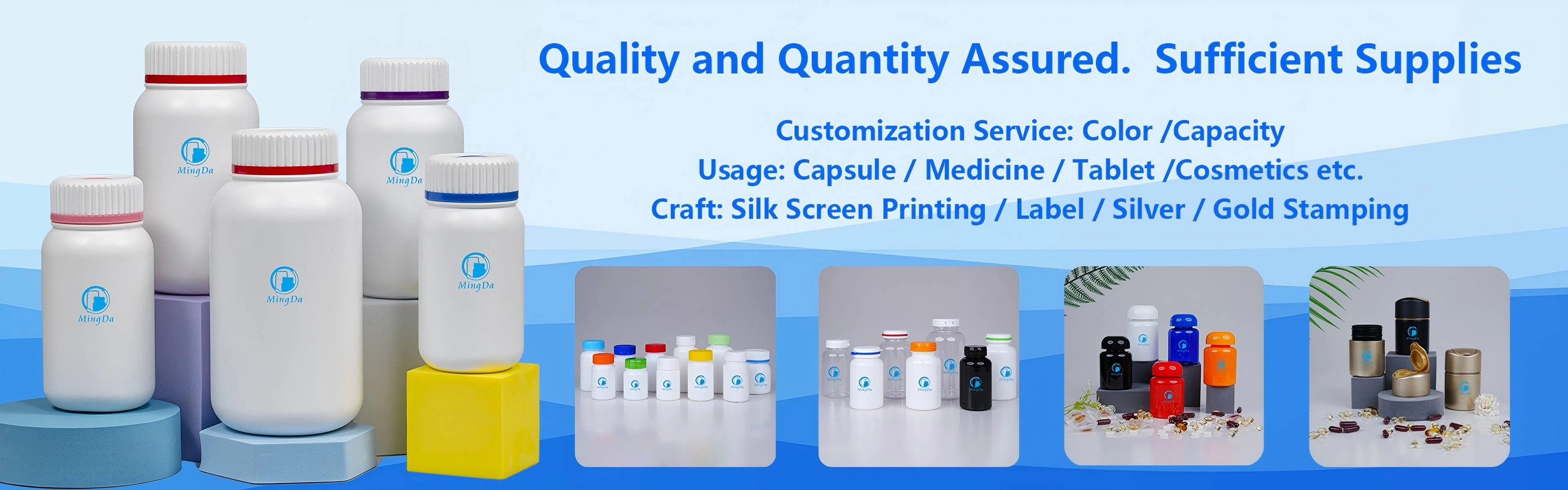
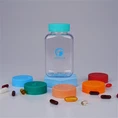
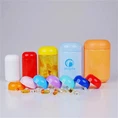
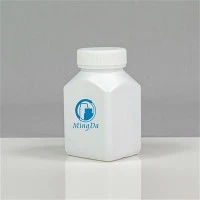
What's the difference between HDPE, PET, and PP plastic bottles? Which one handles heat better? Which is easier to recycle?
This guide explains the characteristics, safety, and environmental impact of these three common plastics to help you choose the best packaging material for your needs.
What's the difference between HDPE, PET, and PP plastic bottles? Which one handles heat better? Which is easier to recycle?
This guide explains the characteristics, safety, and environmental impact of these three common plastics to help you choose the best packaging material for your needs.
1. Basic Comparison of HDPE, PET, and PP Bottles
| Feature | HDPE (No. 2) | PET (No. 1) | PP (No. 5) |
|---|---|---|---|
| Transparency | Opaque / Semi-transparent | High transparency | Semi-transparent / Milky white |
| Heat Resistance | Up to 120°C | Up to 70°C (not for reheating) | Up to 130°C (microwave safe) |
| Common Applications | Detergent bottles, medicine | Water bottles, beverage bottles | Microwave containers, yogurt cups |
| Recycling & Eco Use | Easily recycled, reused in pipes | Highly recyclable, used in textiles | Lower recycling rate, needs sorting |
2. How to Choose the Right Bottle for Different Applications
When selecting plastic bottles, consider heat resistance, safety, and recyclability:
Food Packaging: Use PP Bottle – it's microwave safe and heat resistant.
Beverage Packaging: Use PET Bottle – excellent clarity for displaying liquids.
Cleaning Products: Use HDPE Bottle – strong chemical resistance makes it ideal for detergents and disinfectants.
3. How to Reduce Plastic Pollution in 3 Easy Steps
Step 1: Rinse and Dry
Clean bottles thoroughly to avoid contaminating the recycling stream.
Step 2: Flatten the Bottle
Especially for PET bottles, compressing them saves space during transport.
Step 3: Sort Properly
Dispose of plastics according to their resin code (e.g., 1 for PET, 2 for HDPE, 5 for PP) to improve recycling efficiency.
4. FAQ: 10 Common Questions About HDPE, PET, and PP
1. Which plastic is the most eco-friendly?
PET has the highest recycling rate, but HDPE is also widely reused.
2. Can PP bottles be microwaved?
Yes, PP resists heat up to 130°C and is microwave safe.
3. Is it safe to reuse PET bottles?
Not recommended. PET has poor heat resistance and may release harmful substances when reused.
4. Is HDPE safe for food contact?
Yes. Food-grade HDPE is commonly used in baby bottles and milk storage containers.
5. Which material is the most impact-resistant?
HDPE is known for its toughness and shock resistance.
6. Which bottle type has the highest clarity?
PET offers excellent transparency, ideal for showcasing products.
7. Why is PP often used for yogurt packaging?
It's lightweight, heat-resistant, and suitable for hot fill and refrigeration.
8. Can PET bottles hold hot water?
No. PET deforms above 70°C and may release substances.
9. Can HDPE bottles be used for beverages?
Yes, though they're less visually appealing than PET bottles.
10. Which material is the most affordable?
Generally, PP is the cheapest, followed by PET, then HDPE.
Need customized HDPE, PET, or PP plastic bottles?
Contact us today for free samples and a quote!