


Why Protein Powder Needs Protection
Protein powder is hygroscopic, which basically means it loves to absorb moisture from the air. Once it does, it starts to clump up, lose its smooth texture, and in some cases, even grow bacteria or mold if stored improperly.
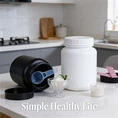
That's why manufacturers often recommend transferring your protein powder to a sealed plastic container or an airtight food jar once opened. A high-quality PET container (polyethylene terephthalate) is especially effective for this because it blocks moisture and air exposure without adding weight.
If you're using your protein powder daily, you might not notice immediate changes. But leave it exposed for a few weeks in a humid kitchen, and you'll quickly see - or taste - the difference.
How Air and Light Affect Protein Quality
Besides moisture, oxygen and light are the two other enemies of protein stability. Oxidation can lead to flavor changes and a breakdown of amino acids over time. This is why opaque or UV-coated plastic bottles are often used by supplement brands.
If you're repackaging your protein powder, look for containers that provide both airtight sealing and UV protection. Even better, consider bottles with tamper-evident caps or pressure-sensitive liners - these features are common in professional packaging because they extend shelf life and prevent contamination.

Tips for Storing Protein Powder at Home
Here are a few simple, practical habits that make a big difference:
Keep it sealed after every scoop. Even a few minutes of exposure can increase humidity inside the container.
Avoid the fridge. It might seem like a good idea, but refrigerators introduce condensation when opened frequently.
Use food-grade containers. Not all plastics are equal. Go for food-safe HDPE or PET containers - the same types used in health supplement packaging.
Store in a cool, dry place. Room temperature with minimal humidity is ideal.

Final Thoughts
So yes - protein powder should absolutely be stored in a sealed container. It's not just about keeping the powder smooth and easy to mix; it's about protecting its nutritional integrity. Whether you're using whey, plant-based, or casein protein, air and moisture are silent killers that gradually reduce quality.