

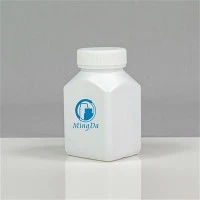
When you shop for vitamins, you may notice that many bottles-especially those for supplements like vitamin C, fish oil, or multivitamins-are made from amber, dark green, or opaque plastic instead of clear material. This isn't just a design choice. Dark containers serve an important role in protecting vitamins and maintaining their effectiveness. Let's explore why.
1. Light Sensitivity of Vitamins
Many vitamins are sensitive to light, especially UV rays from sunlight or fluorescent lamps. Exposure to light can trigger oxidation, which breaks down the active ingredients and reduces potency.
Highly light-sensitive vitamins: Vitamins A, D, E, and K (fat-soluble vitamins) and some B vitamins.
Effect: Over time, the breakdown process can make the supplement less effective, even before the expiration date.
2. Dark Containers as UV Shields
Dark bottles-like amber or cobalt blue-can block or filter UV and some visible light wavelengths. By reducing light exposure, these containers help preserve the chemical stability of the vitamins inside. For example:
Amber PET bottles block over 90% of UV light.
Opaque HDPE bottles block almost all light penetration.
3. Moisture and Oxygen Protection
Although the main function of a dark container is to protect from light, most supplement packaging also provides a barrier against oxygen and moisture. These two factors can also degrade vitamins. Combined with proper sealing (such as aluminum foil liners), the product stays fresh longer.
4. Regulatory and Industry Practices
Many supplement manufacturers follow Good Manufacturing Practices (GMP), which recommend using light-resistant containers for certain products. Some pharmaceutical standards even require dark packaging for medications with known photosensitivity. This ensures consistent quality from factory to consumer.
5. Storage Tips for Consumers
Even with a dark container, how you store your vitamins matters:
Keep bottles in a cool, dry place away from direct sunlight.
Avoid keeping vitamins in humid areas like bathrooms.
Always close the lid tightly to minimize oxygen exposure.
6. When Clear Containers Are Acceptable
Not all supplements need dark packaging. Some forms, such as chewable tablets with stable ingredients or gummies with protective coatings, may be sold in clear containers. However, manufacturers may still use opaque or tinted plastic for added protection during transportation and storage.